Search Articles


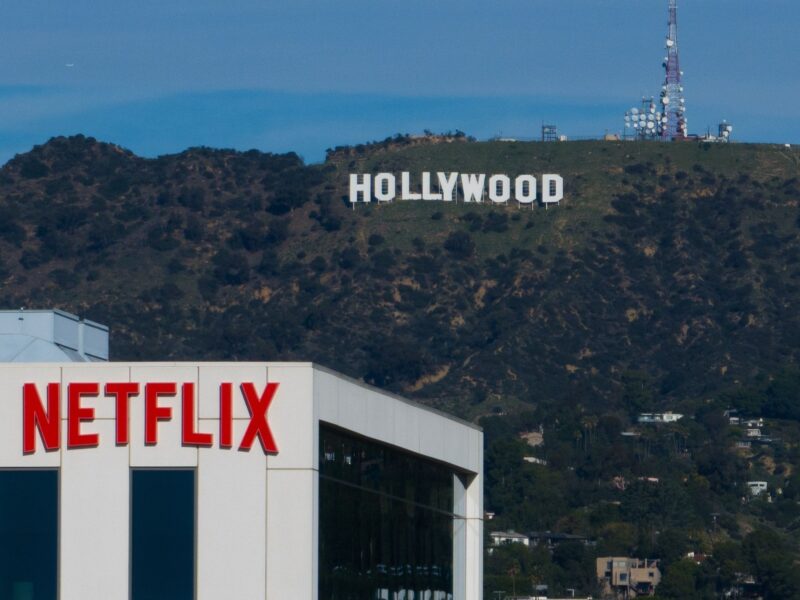
LOS ANGELES (CN) — A former Netflix employee suing the streaming service for sexual harassment must go through the arbitration process laid out in her contract, the Ninth Circuit Court of Appeals affirmed on Wednesday.
The Ending Forced Arbitration of Sexual Assault and Sexual Harassment Act of 2021 means that most arbitration agreements are not enforceable for claims involving sexual assault or harassment — so long as the claims arise after the law was enacted, on March 2022.
Jessica Combs claims she was subjected to “a flirtatious office environment that was very sexual in nature” and numerous “unwanted sexually charged comments,” during her time working for the company, between 2017 and 2021. And so it was that a federal judge ruled that the arbitration clause in her contract was still perfectly valid, since the dispute arose well before 2022.
But Combs argued that a “dispute arises” not when the offending action takes place — in this case, the sexual harassment — but in 2023, when she first filed her complaint against Netflix with the California Department of Fair Employment and Housing, a legal precursor to filing a lawsuit.
A federal judge disagreed, ordering Combs into arbitration, and a three-judge panel with the Ninth Circuit found the same.
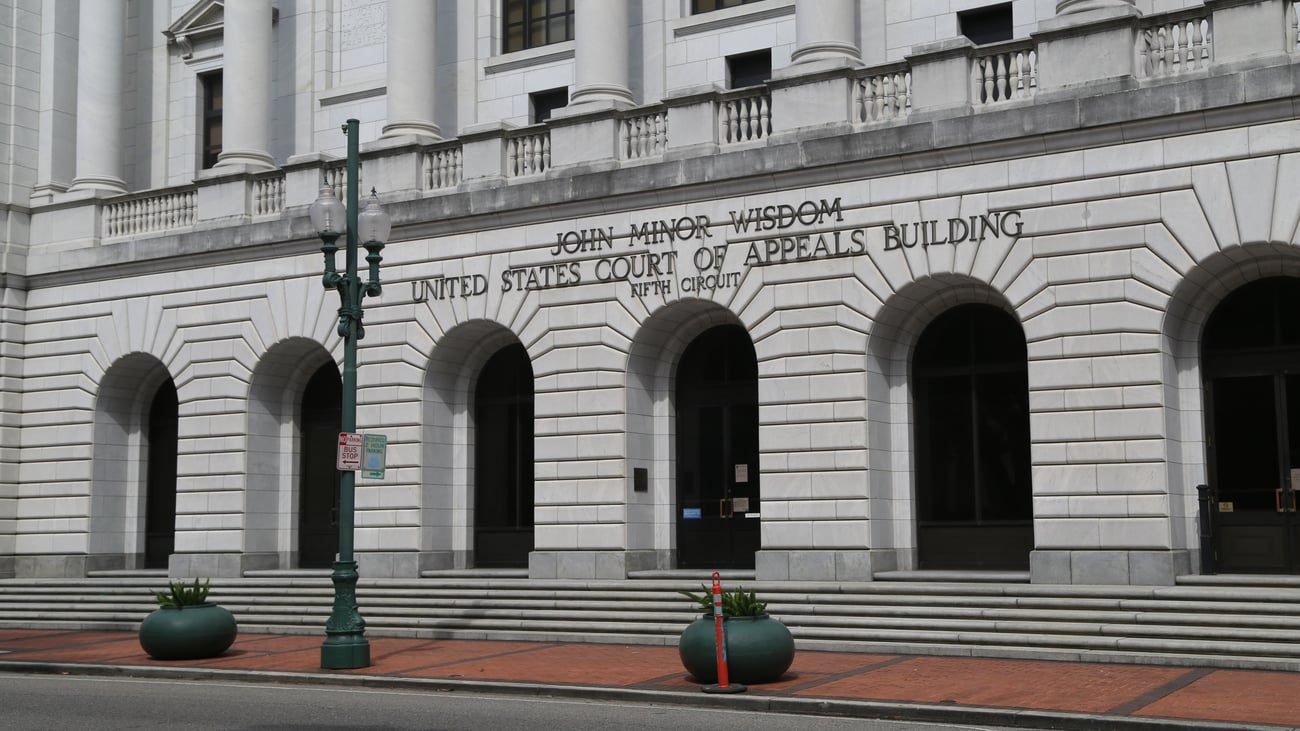
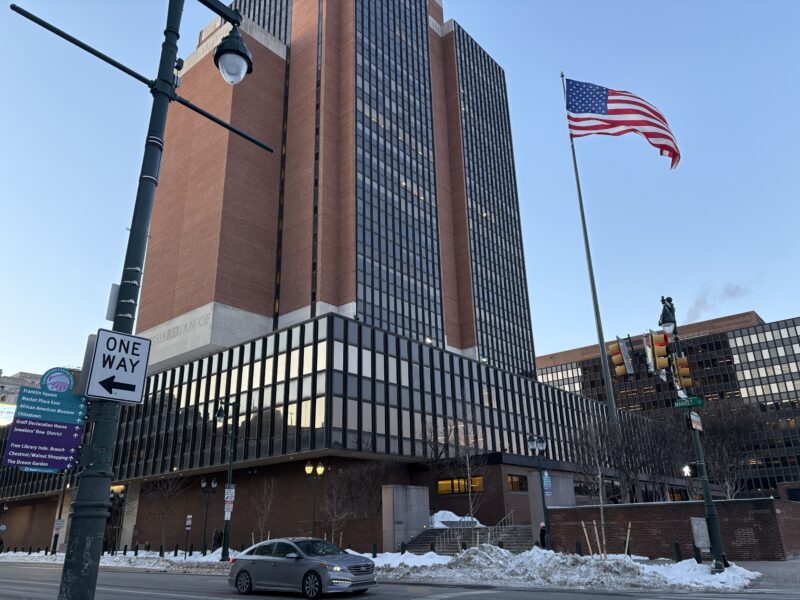
“Our sister courts that have considered this question have not embraced Combs’s more limited reading of the statutory text,” U.S. Circuit Judge Daniel Bress, a Donald Trump appointee, wrote. “Instead, they have adopted the interpretation exemplified in the Third Circuit’s Cornelius decision: that a dispute arises for purposes of the EFAA ‘when an employee registers disagreement — through either an internal complaint, external complaint, or otherwise — with his or her employer, and the employer expressly or constructively opposes that position.”
The dispute arose when Combs complained to her supervisors throughout her years of employment, the court said, not just when she filed the official complaint, and the Ending Forced Arbitration of Sexual Assault and Sexual Harassment Act doesn’t apply.
“Certainly, a dispute had arisen by December 2021, given that Netflix allegedly opposed Combs’s complaints to such an extent that it fired her for raising those complaints,” Bress wrote.
When Netflix fired Combs in 2021, it informed her it was doing so because she failed to comply with the company’s Covid-19 vaccination policy. In her federal complaint, Combs says that was just an excuse, and that it was “in retaliation for submitting complaints regarding the sexually charged atmosphere in the workplace.”
In her complaint, she described the “stairs of shame,” a staircase that allowed male coworkers to look up the skirts and dresses of women as walked up. She also described team-building activities during a company retreat in 2018 that were “sexualized in nature,” including one where workers were asked to stare into one another’s eyes and compliment their physical appearance, a game that Combs compared to “forced speed dating.”
Her numerous complaints to Netflix supervisors, she said, were “ignored or discarded.”
An independent arbitrator will now hear the case and decide if Netflix owes Combs any damages.
Concurring with Bress’ opinion were U.S. Circuit Judges Susan Graber, a Bill Clinton appointee, and Anthony Johnstone, a Joe Biden appointee.
 Follow @hillelaron
Subscribe to our free newsletters
Our weekly newsletter Closing Arguments offers the latest about ongoing trials, major litigation and rulings in courthouses around the U.S. and the world, while the monthly Under the Lights dishes the legal dirt from Hollywood, sports, Big Tech and the arts.