
 Search Articles


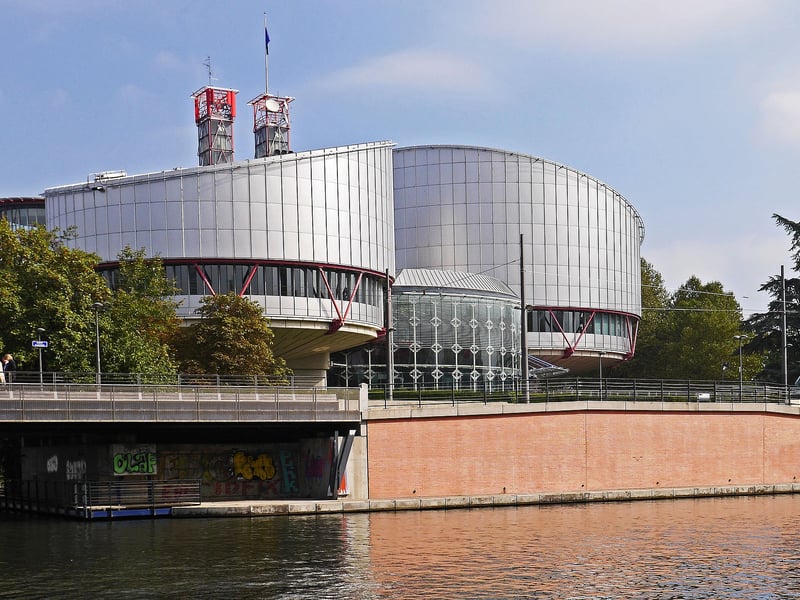
STRASBOURG, France (CN) — Austria was wrong to force a daily newspaper to hand over information about anonymous website commenters, Europe’s top rights court ruled Tuesday.
The European Court of Human Rights sided with Der Standard, finding anonymous comments critical of politicians on the newspaper’s website were covered by freedom of expression. It says Austrian authorities were wrong to force the release of data about their authors.
Users Tango Korrupti2013, rrrn and try_error all posted comments critical of the regional political party Die Freiheitlichen in Kärnten and two politicians — Herbert Kickl and Uwe Scheuch — specifically below articles about politics and elections.
“Corrupt politician — assholes forget, [but] we don’t ELECTION DAY IS PAYDAY!!!!!” Tango Korrupti2013 wrote, one of several comments at issue in the case. The comment was in response to an article about Die Freiheitlichen in Kärnten, which quoted its then-leader Uwe Scheuch. Comments under another article referred to Herbert Kickl directly.
The two politicians, together with the party, sued the Vienna-based newspaper to identify the trio. In 2014, the Austrian Supreme Court ruled that Standard Verlagsgesellschaft mbH — Der Standard’s parent company — had to hand over the names and email addresses of the commenters. The Der Standard website required users to register with a name and email address to use the commenting feature but that information wasn’t made public.
Der Standard complained to the European Court of Human Rights in 2015. The Stasbourg-based court was created in 1959 by the European Convention of Human Rights, which protects the political and civil rights of Europeans.
During national court proceedings, Der Standard, the most widely read newspaper in Austria, said it moderated its comments, reviewing up to 6,000 user comments per day. The paper said it “liberally” deleted comments upon request. The ECHR found that the comments “although offensive and lacking in respect, did not amount to hate speech or incitement to violence,” a standard that could have required information about the authors to be revealed.
While the commenters didn’t qualify as “journalistic sources,” the comments were covered under freedom of expression, the ECHR found. The court ruled that the Austrian courts had failed to balance the chilling effect releasing data would have on the free exchange of ideas, essential in a democratic society. “The decisions of the appeal courts and of the Supreme Court were not supported by relevant and sufficient reasons to justify the interference,” the Fourth Section wrote.
The court ordered Austria to pay the newspaper 17,000 euros ($19,000) for its costs.
 Follow @mollyquell
Subscribe to our free newsletters
Our weekly newsletter Closing Arguments offers the latest about ongoing trials, major litigation and rulings in courthouses around the U.S. and the world, while the monthly Under the Lights dishes the legal dirt from Hollywood, sports, Big Tech and the arts.