
 Search Articles


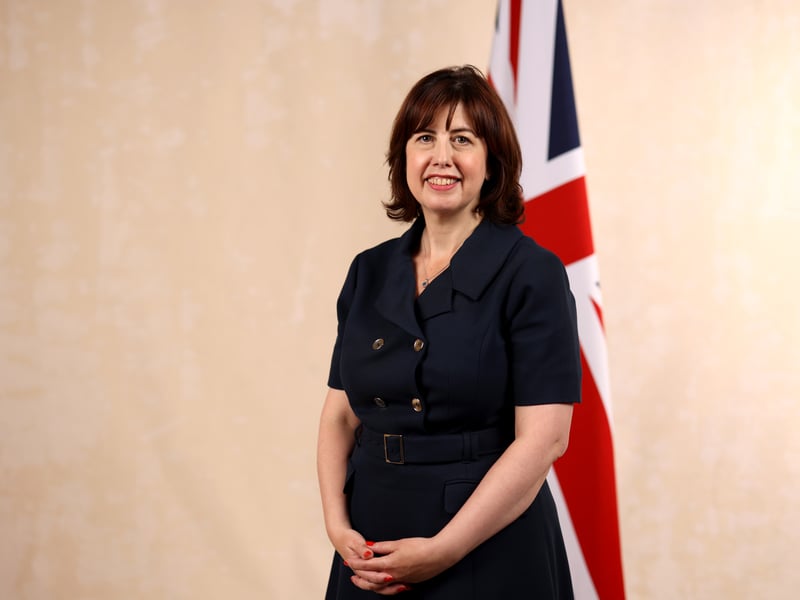
MANCHESTER, England (CN) — Against the backdrop of an unpopular prime minister and the specter of a rising far right, Lucy Powell’s victory as deputy leader marks a shift for the U.K.’s ruling Labour Party.
Powell’s win in Saturday’s internal contest was seen as a test of the party’s mood under Prime Minister Keir Starmer, whose approval ratings hover at 21%, according to an Oct. 12-13 YouGov poll.
She was dismissed from the government by Starmer weeks ago, after serving as leader of the House of Commons. The prime minister’s office said her removal was part of a reshuffle.
In her victory speech, Powell urged the party to “be bolder.” She said Labour needed to “wrestle back the political megaphone,” arguing that the right-wing Reform UK leader Nigel Farage had been allowed to “run away with it.”
The government has increasingly focused on immigration — the main driving force behind the rise of Reform, an anti-immigration party that’s been leading in the polls for months.
Powell said she wanted to rebuild trust with voters and refocus on Labour’s values. “We must give a stronger sense of purpose,” she said. “Whose side we’re on matters.”
Powell, a member of Parliament for Manchester Central, took 54% of the vote to 46% for Bridget Phillipson, seen as leadership’s preferred candidate. Turnout was 16.6%. The ballot was open to party members and affiliated supporters, including trade union members linked to Labour.
Phillipson congratulated Powell and called for unity, saying it was “crucial that our party now comes together to take the fight to Reform,” in important elections next year in Scotland, Wales and locally across England.
Angela Rayner resigned as deputy leader last month after it emerged she had underpaid property tax on a house purchase — one of a series of personnel issues dogging Starmer, including the firing of the ambassador to the U.S., Peter Mandelson, over his ties to Jeffrey Epstein.
Internal defeat for Starmer
The internal election result highlights unease among Labour Party members about the political direction under Starmer.
Since becoming prime minister last summer, Starmer has struggled to balance promises of economic growth with fiscal restraint.
Labour announced cuts to winter fuel payments for pensioners before reversing course after public backlash. Welfare spending has also been tightened, while cuts to overseas development aid will fund military spending following pressure from U.S. President Donald Trump.
These policy moves have left parts of the party’s base frustrated.
Some see Powell’s win as a warning that the grassroots want more ambition from a Labour government and a stronger rejection of the hardline politics of Reform when it comes to immigration.
UNISON, the U.K.’s largest trade union, congratulated Powell and called for a “total reset.”
Christina McAnea, the union leader, warned: “Ministers must get back to doing what Labour governments should be doing. That’s improving the lives of working people, rebuilding public services and pushing for a more equal society.”
She added, “This must now mark the beginning of an urgent turnaround. This is the chance for the party and the government to have a total reset. Nothing less will do.”
Starmer congratulated Powell, calling her a “proud defender of Labour values.”
Powell will take up her new post immediately, though the deputy leader position is within the party and does not include a seat in government.
Rayner previously served as both Labour deputy leader and deputy prime minister. Following her resignation, Starmer named David Lammy as deputy prime minister.
Courthouse News reporter James Francis Whitehead is based in England.
 Follow @jayfranklinlive
Subscribe to our free newsletters
Our weekly newsletter Closing Arguments offers the latest about ongoing trials, major litigation and rulings in courthouses around the U.S. and the world, while the monthly Under the Lights dishes the legal dirt from Hollywood, sports, Big Tech and the arts.