Search Articles


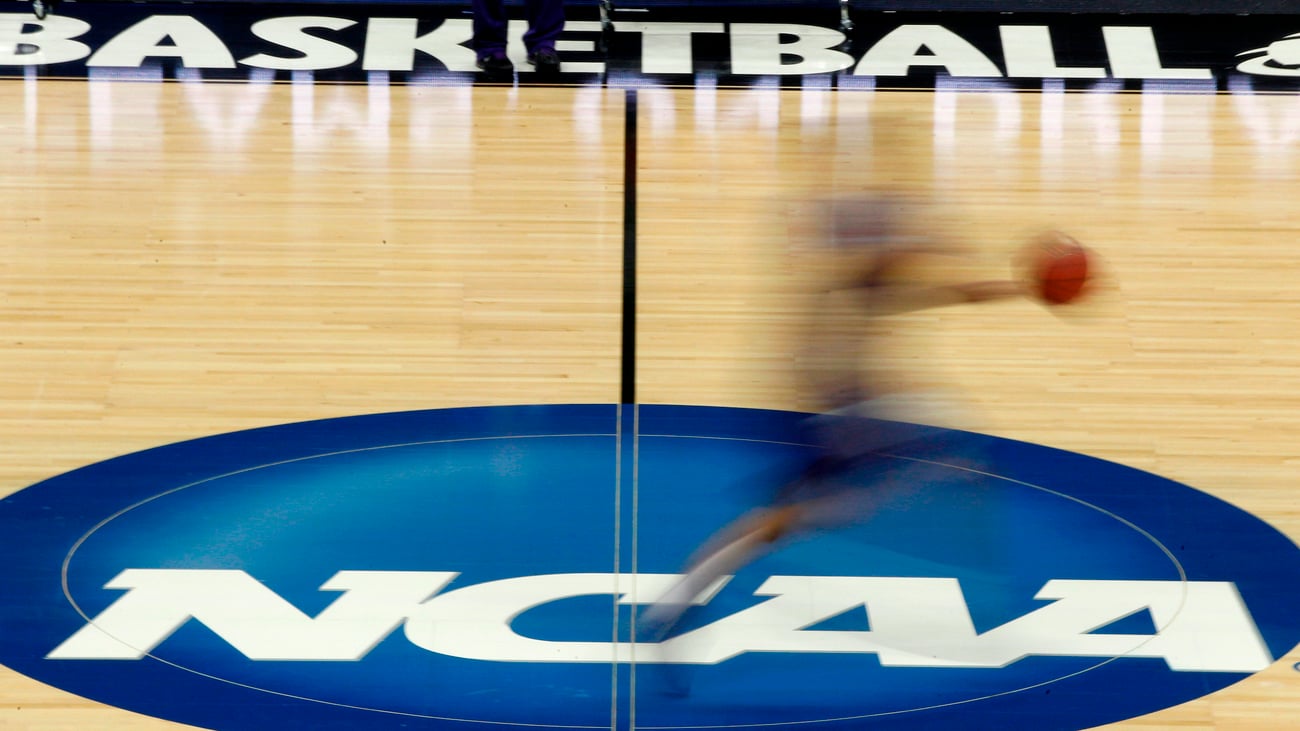
SACRAMENTO, Calif. (CN) — A federal judge on Monday gave final approval to a $303 million settlement with the NCAA affecting volunteer coaches across 44 college sports.
The settlement, which U.S. District Judge William Shubb gave preliminary approval to in January, runs out the clock on a class action challenging what coaches called a wage-fixing agreement that lasted three decades and resulted in some receiving no payment for their work.
The NCAA agreed to compensate almost 8,000 current and former college sports coaches for unpaid wages. The payouts will occur three times over two years based on a formula. The average class member will receive around $39,000.
“I would say, personally, this is a very satisfying case,” said attorney Dennis Stewart, representing the class. “We’re happy we’re going to see them get paid.”
As part of the settlement, class attorneys will receive 30% of the $303 million — some $90 million.
Shubb, a George H.W. Bush appointee, questioned Stewart about those fees, noting they equate to about $1,000 an hour. Stewart said the lawsuit spanned all 50 states. In court documents, he said attorneys shouldered significant risk in litigating the case on a contingency basis. They knew it could take years, have millions of dollars in expenses and thousands of work hours.
Additionally, more work remains, Stewart said.
“We just keep going,” he added. “We don’t ask for any more fees.”
Representing the NCAA, attorney Justin Raphael said his client could have faced triple the damages if the case had gone to trial.
Shubb also approved a series of protocols for third-party purchasers. Stewart said three companies have approached his office, and some already have contacted class members.
According to Stewart, purchasers provide a percentage of a class member’s payment and receive that person’s payment in exchange. A class member who accepts the offer gets a one-time payment instead of waiting two years for three separate payouts.
However, Stewart said such agreements usually are “low-ball” amounts. In some cases, they’ve only totaled 15% of someone’s payout.
“That’d be a terrible financial decision,” Stewart added.
That led him to create some protocols for any transaction involving a third-party purchaser, including a warning that class members should approach such offers with caution.
Also, Stewart said he wouldn’t want to provide payment to a purchaser until attorneys are assured a class member has received money from them. That’s because the purchasers aren’t under Shubb’s jurisdiction.
“I think this case was handled excellently by both sides,” the judge said. “I’m going to approve the settlement.”
The coaches filed their legal action in March 2023, a few months before the NCAA did away with volunteer positions entirely. They called the organization’s prohibition on compensating volunteer coaches an illegal agreement that restrained trade under the Sherman Act.
The class action was similar yet separate from another lawsuit focused on volunteer baseball coaches.
Last year, a class action brought by volunteer NCAA baseball coaches settled for almost $50 million, covering about 1,000 baseball coaches who worked between Nov. 29, 2018, and July 1, 2023. Each coach was expected to receive around $36,000 per year they volunteered. Some coaches who spent multiple years at larger schools were eligible for six-figure sums.
Subscribe to our free newsletters
Our weekly newsletter Closing Arguments offers the latest about ongoing trials, major litigation and rulings in courthouses around the U.S. and the world, while the monthly Under the Lights dishes the legal dirt from Hollywood, sports, Big Tech and the arts.