
 Search Articles


CHARLOTTE, N.C. (CN) — Two racing teams are taking on NASCAR, claiming the car racing company has a monopoly on the industry and is forcing teams to sign anticompetitive contracts.
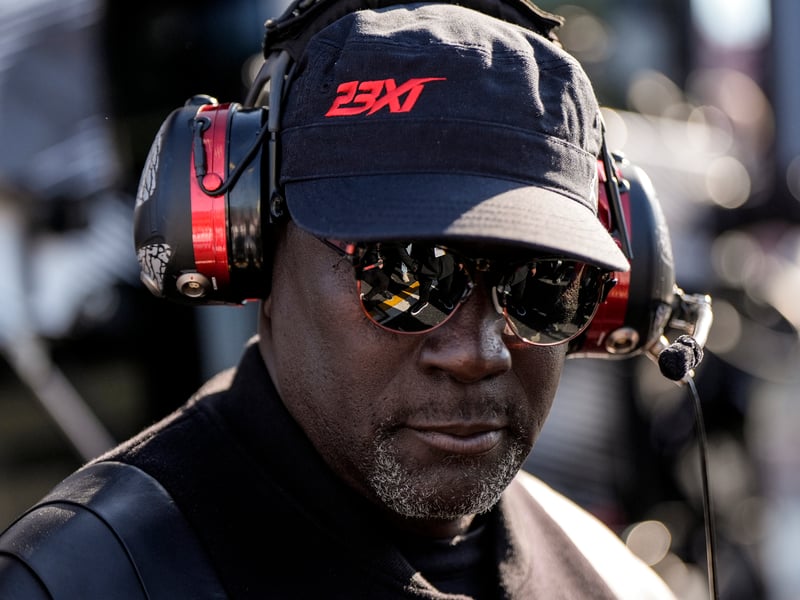
23XI Racing, a team partially owned by basketball legend Michael Jordan, and Front Row Motorsports say in their lawsuit filed Wednesday that racing teams would be able to enter into much more profitable agreements if there were more competition in the field. Other major professional sports, such as the NFL and NBA, share television revenue equally amongst all the leagues, but the agreements racing teams enter into pay far less, they say.
The two teams missed NASCAR’s deadline to sign a new agreement last month, saying that they were not happy with the terms. Racing teams only have bargaining power with NASCAR through numbers, but 23XI Racing and Front Row Motorsports have split off from the rest of the teams in choosing not to sign a new agreement, saying the agreement would bar them from suing NASCAR over what they call antitrust violations.
NASCAR operates the only top-tier racing series in the U.S., and has maintained that status by illegally squashing its competition, the plaintiffs claim. Racing teams can’t compete at the top level unless they agree to NASCAR’s terms, which bar them from competing in any other car or truck racing competitions.
The racing association requires teams that participate in its Cup Series to drive Next Gen cars and buy parts from NASCAR’s suppliers. The parts, which cost upward of $3 million every year for each team, remain NASCAR’s property, and teams aren’t allowed to drive their cars in any other race other than NASCAR’s Cup Series. NASCAR also limits teams to only seven cars, and NASCAR, not the team, decides if a damaged car can be repaired or must be replaced.
NASCAR has also bought tracks across the United States, including premier tracks that it only allows to be used for its own races, and it requires exclusivity for tracks it does not own, the plaintiffs say. Because of this, many tracks sit vacant throughout the year.
In 2020, NASCAR acquired its closest competitor, the Automobile Racing Club of America, who hosted a lower-tier racing competition called the Menards Series.
“NASCAR has foreclosed any potential competitor from accessing the high-quality tracks or teams needed to develop a competing circuit,” the plaintiffs said. “With no competing premier stock racing series, NASCAR has a complete monopsony on premier stock car racing team services — it has a 100% market share in the acquisition of premier stock car racing team services in the United States.”
The France family has always owned NASCAR, unlike the NFL and NBA, which are owned and operated by league teams. The private owners’ control gives them negotiating power, the plaintiffs say: Teams that don’t agree to their terms struggle to participate profitably, and teams that do sign agreements see the majority of their revenue go back to NASCAR.
The teams filing suit said they were the only ones not to sign a renewed charter that would prevent them from suing over antitrust claims.
In 2014, a committee — not a union — called the Race Team Alliance was formed to try to work a deal with NASCAR that better benefited teams. NASCAR originally negotiated with the alliance for the upcoming agreement, before deciding to negotiate with each team individually and presenting them with a take-it-or-leave-it offer with a signing deadline of just a few hours.
Teams that didn’t sign the new charter would be forced to become open teams and could generate revenue only from prize money and sponsorships; they wouldn’t receive any pooled money from TV and merchandising agreements.
In their suit, the plaintiffs say one team that agreed to NASCAR’s new terms described NASCAR as having “put a gun to our head” so it “had to sign.” Originally, NASCAR gave teams one hour to review and sign an over 100-page document.
Racing teams last signed charter agreements with NASCAR in 2016. Those expire at the end of this year. Negotiations for the next agreement have been in progress for years, with little flexibility from NASCAR, and demands have escalated as the end of the existing charter agreement approaches.
Teams have been pushingfor permanent charters so NASCAR cannot choose to revoke what is basically franchise status within the sport. They have also been asking for more executive power and higher revenue cuts.
The plaintiffs say NASCAR’s behavior violates the Sherman Act by monopolizing the industry and restraining competition.
“Without the possibility of being able to compete in any alternative premier stock car racing series except for NASCAR, plaintiffs are forced to either accept NASCAR’s monopsonistic terms or cease participating in premier stock car racing at all,” the teams said, asking the court to grant a preliminary injunction allowing them to sign and race under the 2025 charter agreement while they litigate their case.
NASCAR has won out before over monopoly claims; the Kentucky Speedway lost a case in 2009 in which it claimed NASCAR violated antitrust laws by not hosting a race at its racetrack.
NASCAR did not respond to a request for comment.
 Follow @SKHaulenbeek
 Follow @shaulenbeek.bsky.social
Subscribe to our free newsletters
Our weekly newsletter Closing Arguments offers the latest about ongoing trials, major litigation and rulings in courthouses around the U.S. and the world, while the monthly Under the Lights dishes the legal dirt from Hollywood, sports, Big Tech and the arts.