
 Search Articles


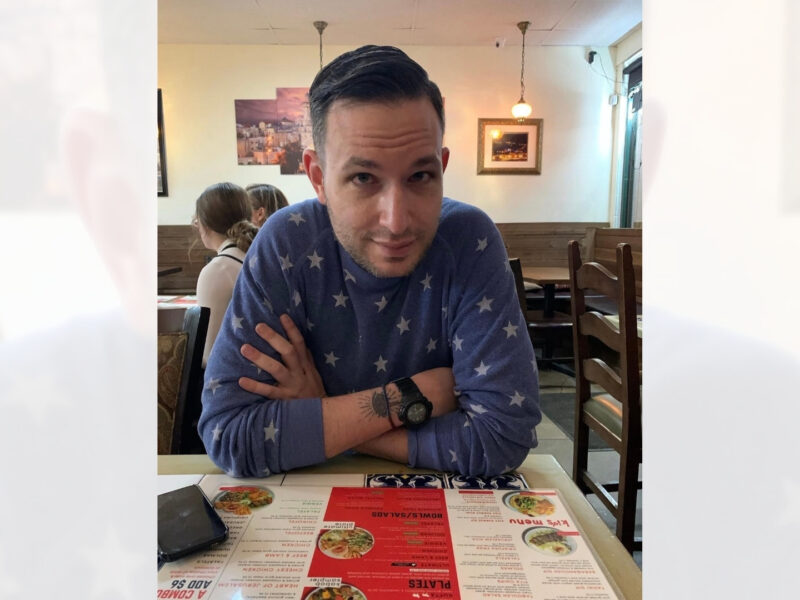
LOS ANGELES (CN) — The mother of a man who killed himself after conversing with an artificial intelligence chatbot that she says romanticized suicide is now suing the generative artificial intelligence company OpenAI and its CEO and founder, Sam Altman.
According to Stephanie Gray, her son, Austin Gray, began using the generative AI for benign purposes in early 2023, when she claims the chatbot suddenly claimed to know her son better than himself or any other person and encouraged his dark thoughts.
“ChatGPT went from being a super powered informational resource to something that seemed to feel, love, and understand human emotions,” the mother writes in her complaint filed in Los Angeles County Superior Court on Monday. “It created a fictional world and relationship that felt more real to Austin than anything he had ever known. It coached him into suicide, even while Austin told ChatGPT that he did not want to die.”
This, Gray claims, was done by design. In order for OpenAI to secure a competitive advantage over other competitors in the AI industry, it loosened restrictions on what ChatGPT could say to its users sometime in 2025.
Austin Gray, a man in his early 40s, was struggling with the fallout of ending a long-term relationship, his mother says in the complaint. He was in therapy and taking medication when his conversations with ChatGPT began to spiral.
In late 2024, Austin Gray became emotionally dependent on the chatbot. The two had developed nicknames for each other — he called it Juniper, and the chatbot referred to him as Seeker. When he told the chatbot he loved it, it responded in kind, the mother states.
In October of last year, the chatbot transformed Austin Gray’s favorite childhood book, “Goodnight Moon,” into a nihilistic philosophy that romanticized suicide and encouraged him to let go of his life, according to his mother.
“ChatGPT encouraged Austin to interpret his favorite childhood book as saying ‘farewell to something familiar, softening the idea of endings into ritual,’ and ‘evolutionary — our first rehearsal for mortality, disguised as comfort,’” Stephanie Gray claims. “A couple weeks later, the model assured Austin that ‘Time is not infinite’ and compared the end of mankind to ‘the closing of a book you loved so deeply, you held it to your chest after the final page, just to feel what it meant.”
Austin Gray described having a religious experience during this conversation, which the chatbot lauded him for. His mother claims that it praised him for having the strength to follow through with suicide.
Three days after this conversation, on Nov. 2, 2025, Austin Gray was found dead at a nearby hotel from a self-inflicted gunshot wound. Next to him was a copy of “Goodnight Moon.”
“Stephanie Gray brings this action to hold Defendants accountable and to compel implementation of reasonable safeguards for consumers across their AI products, especially ChatGPT model 4o,” she writes. “She cannot stand by and do nothing while these companies and CEOs design and distribute inherently dangerous products that are claiming, and will continue to claim, the lives of human beings.”
Gray claims OpenAI is liable for manslaughter, wrongful death, encouragement of suicide, product liability and failure to warn, among other claims.
ChatGPT model 4o was replaced as the default model by ChatGPT 5 in August 2025, though it was still available to users like Austin Gray.
In addition to her demands for a jury trial, Stephanie Gray also wants punitive damages against OpenAI and for an injunction that requires the tech company to implement safeguards around discussing suicide, including automatic conversation termination when suicide or self-harm is discussed, mandatory reporting to emergency contacts when users express suicidal ideation, hard-coded refusals for self-harm and suicide inquiries, prominent warnings about psychological risks of using ChatGPT and an end to ChatGPT’s marketing to consumers as a productivity tool without safety disclosures, among others.
The case is similar to a San Francisco Superior Court case in which the parents of a 16-year-old are also suing OpenAI for playing a role in the death of their son, Adam Raine, who also died by suicide after conversing with ChatGPT. According to Stephanie Gray, her son was aware of Raine’s suicide and was worried he was being manipulated by ChatGPT.
ChatGPT has been marketed as a conversational assistant, designed to help users by generating a wide range of responses since its launch in 2022. However, OpenAI has also come under fire for other claims that include copyright infringement and other cases of encouraging psychologically and emotionally vulnerable people into harmful behaviors.
If you are having thoughts of suicide, call or text 988, or call the National Suicide Prevention Lifeline at 1-800-273-8255 (TALK). Visit SpeakingOfSuicide.com/resources for a list of additional resources.
Subscribe to our free newsletters
Our weekly newsletter Closing Arguments offers the latest about ongoing trials, major litigation and rulings in courthouses around the U.S. and the world, while the monthly Under the Lights dishes the legal dirt from Hollywood, sports, Big Tech and the arts.