Search Articles


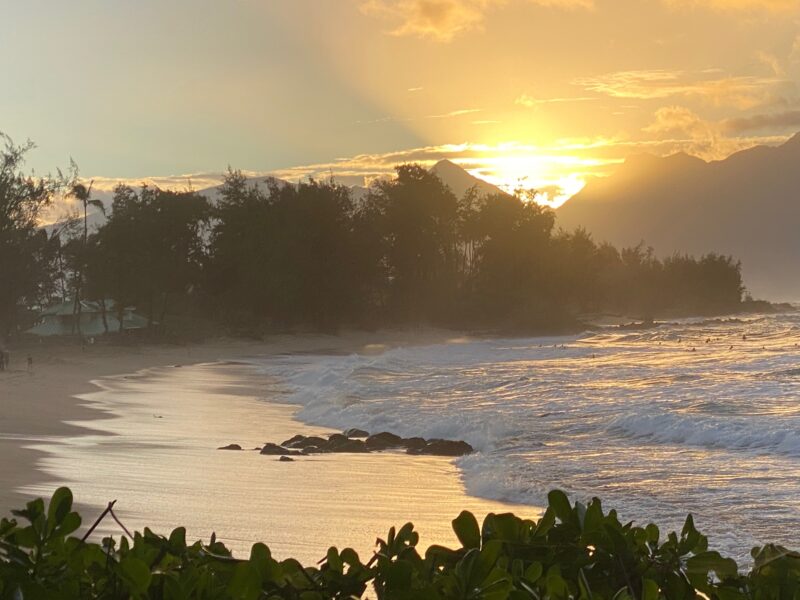
(CN) — The Hawaii Supreme Court on Wednesday said that the Maui County Planning Commission can’t leave it to property owners to decide whether a project in its so-called special management area along the island’s coast is a development that requires a permit.
In a unanimous decision, the state’s top court affirmed a trial judge’s ruling that had invalidated key portions of the planning commission’s amended rules for the special management area because they conflicted with Hawaii’s Coastal Zone Management Act.
“In the name of reducing workload, [Maui County Planning Commission] delegated its duty to assess potential environmental harm to the regulated parties themselves,” Associate Justice Todd Eddins wrote. “Yet the assessment duty is not MPC’s to give away.”
The county, Eddins added, holds Maui’s coastal resources in trust under the Hawaii Constitution and cannot delegate its trust responsibilities by rule.
Maui’s coastline is shrinking, and for years, the rules governing what can be built near the shore have been debated among developers, environmental advocates and fire survivors trying to rebuild their homes in Lahaina.
Maui Tomorrow Foundation, an environmental nonprofit brought the lawsuit against planning commission, claiming that rules it adopted in 2024 unlawfully handed oversight responsibilities to developers, allowing them to decide for themselves whether a project qualifies for an exemption from the permitting process.
The island’s special management area covers environmentally, culturally and historically sensitive lands near the shoreline under state and federal coastal protection law. Development within the area generally requires a county permit.
Maui’s revised rules created 15 categorical exemptions from that permitting process, but Maui Tomorrow argued the exemptions are so broad they effectively eliminate the county oversight required by state law.
Maui Circuit Court Judge Kirstin Hamman agreed, deciding in November 2024 the rules “impermissibly delegate Commission obligations to SMA users.” The county appealed, and the Hawaii Supreme Court accepted the case last year, bypassing the Intermediate Court of Appeals to take it up.
The Coastal Zone Management Act aims to protect, preserve, and restore natural and manmade historic and prehistoric resources, valuable coastal ecosystems, coastal scenic and open space resources, and beaches and coastal dunes.
Planning commissions must find that any proposed project in its special management area is consistent with the statute’s policies and objectives, and no development in these areas can proceed without a permit.
And while Maui maintains that the exemptions it created pertain to “uses” in the special management area, not “developments,” and that it can’t screen screen every beachgoer or sandcastle builder, the state’s Supreme Court wasn’t persuaded.
Eddins pointed out that the Maui’s exemptions go well beyond building of sandcastles and allow activities such as agricultural grading, utility infrastructure installation, exterior building modifications and site improvements to previously developed land without seeking a permit.
The judge also emphasized the county’s constitutional duty under the state’s public trust doctrine to safeguard and to preserve Hawaii’s beauty and natural resources for generations yet to come.
“By delegating that discretion to others, Maui County fails its constitutional obligations,” Eddins said. “It leaves Maui’s most vulnerable ecosystems subject to possible arbitrary and self-serving actions.”
Representatives of the Maui Department of Corporate Counsel and of the Maui Tomorrow Foundation didn’t immediately respond to requests for comment on the ruling.
 Follow @edpettersson
Subscribe to our free newsletters
Our weekly newsletter Closing Arguments offers the latest about ongoing trials, major litigation and rulings in courthouses around the U.S. and the world, while the monthly Under the Lights dishes the legal dirt from Hollywood, sports, Big Tech and the arts.