
 Search Articles


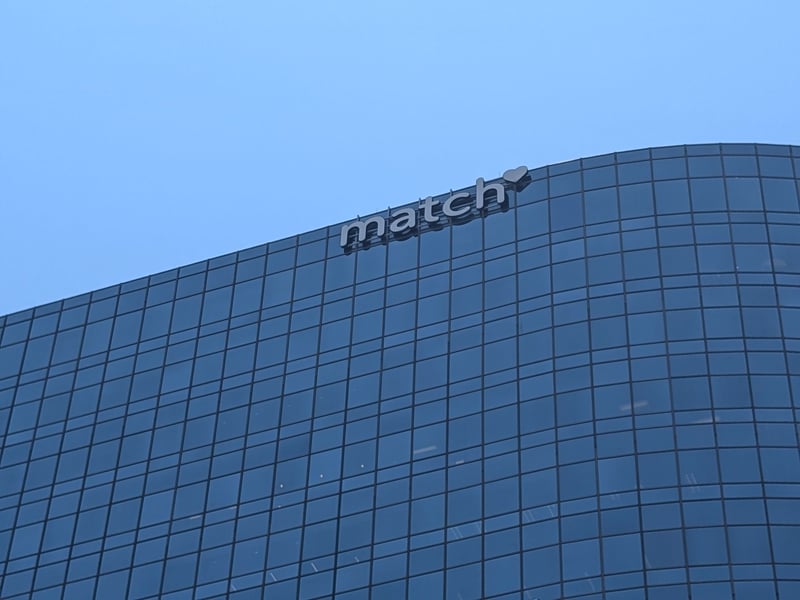
DALLAS (CN) — Match Group — the owner of dozens of dating websites including Tinder, Match.com, OkCupid and Hinge — agreed Tuesday to pay $14 million to resolve claims it relied on scam love interest advertisements to sell subscriptions and locked out unhappy users in retaliation for filing credit card chargebacks.
The Federal Trade Commission said in a written statement it will use to money to redress injured customers. Match Group will provide “simple mechanisms” for users to cancel their paid subscriptions and will “clearly and conspicuously disclose the terms” of a six-month guarantee to meet someone or get a free subscription, according to the 15-page proposed order.
The FTC sued the Dallas-based company in 2019 in federal court, claiming it displayed scammers’ phony love interest advertisements to dupe thousands of people into buying paid subscriptions on Match.com.
The site allowed users to create dating profiles for free, but they had to buy a subscription to respond to messages from other users. The FTC’s lawsuit claimed millions of Match’s “you caught his eye” messages came from accounts flagged as likely to be fraudulent.
“These advertisements represent that the communication the nonsubscriber received was sent from a legitimate user of the site who has expressed interest in the consumer receiving the message,” the FTS said in its complaint. “Consumers also receive discount offers for subscription packages at reduced prices that similarly represent expressly that specific Match.com users are interested in them.”
The FTC claimed customers who bought a subscription because of the misleading ads would instead find a scammer on the other end due to Match Group not completing a fraud review process yet.
“If Match completed its review process and deleted the account as fraudulent before the consumer subscribed, the consumer received a notification that the profile was ‘unavailable,’” the FTC said in the complaint. “In either event, the consumer was left with a paid subscription to Match.com, as a result of a false advertisement.”
The FTC said the cancellation process was “confusing and cumbersome” due to two pages of survey questions and excessive click requirements.
Match Group said Tuesday it admits no liability in the settlement and was “fully prepared” to take the case to trial before opting to resolve the lawsuit.
“The FTC’s outdated claims are entirely moot, as the alleged practices at issue ended years ago or are based on mischaracterizations that do not reflect our business today,” Match Group said in a statement.
At the time of the lawsuit’s filing, Match Group claimed it blocked 96% of bots and fake accounts within one day.
“The FTC has misrepresented internal emails and relied on cherry-picked data to make outrageous claims and we intend to vigorously defend ourselves against these claims in court,” Match Group said at the time.
Months after being sued, Match Group was spun off from then-owner IAC. Match Group’s stock price has dropped by over half of its value since the spinoff.
 Follow @davejourno
Subscribe to our free newsletters
Our weekly newsletter Closing Arguments offers the latest about ongoing trials, major litigation and rulings in courthouses around the U.S. and the world, while the monthly Under the Lights dishes the legal dirt from Hollywood, sports, Big Tech and the arts.