
 Search Articles


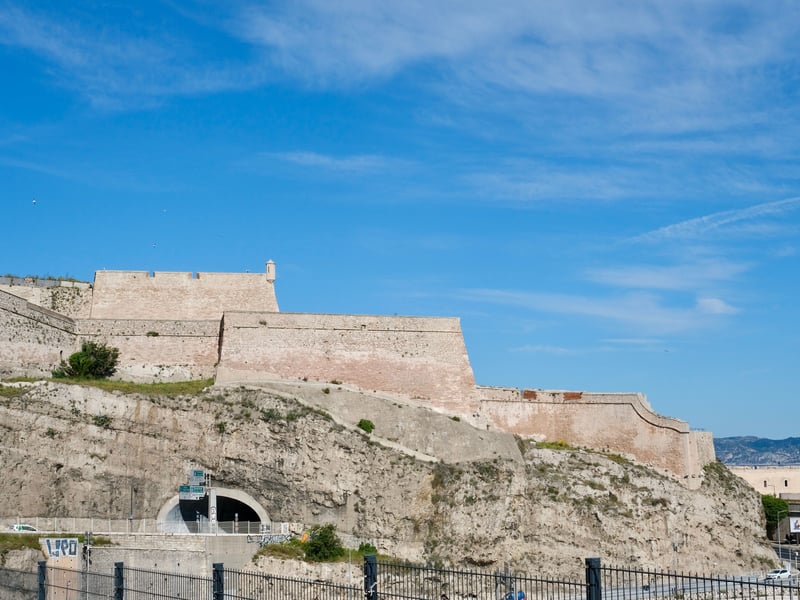
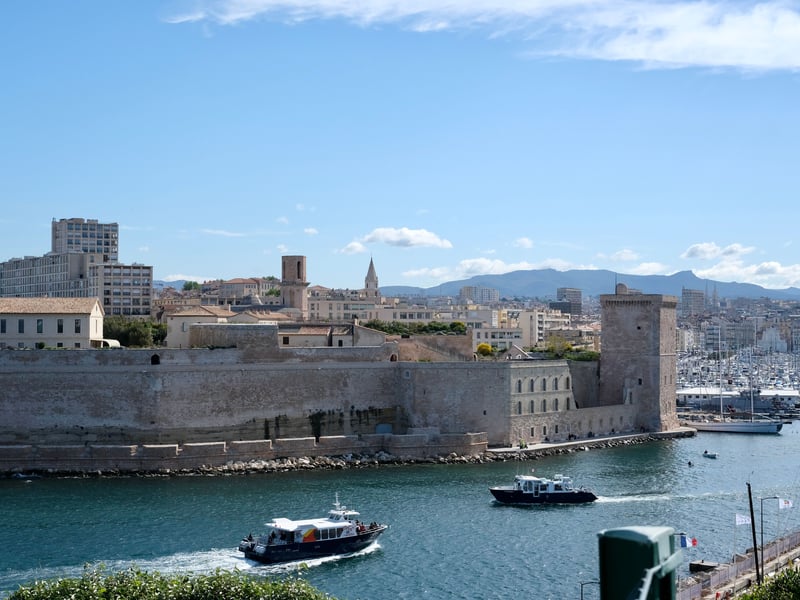
MARSEILLE, France (CN) — On the edge of Marseille’s port, two forts mirror each other across the water of the harbor, standing guard between the city and the open sea.
But Fort Saint-Jean and Fort Saint-Nicolas haven’t had the same trajectory. While the first became MUCEM, Europe’s biggest Mediterranean-dedicated museum inaugurated in 2013, Fort Saint-Nicolas has remained closed since it was built in the 1600s. It’s mysterious, even to native Marseillais, despite the fort’s command over the landscape.
“It’s a military fort which has always been closed to the public,” Benjamin Lengagne, the head of communications at La Citadelle de Marseille, the cultural organization heading the fort, told Courthouse News. “There are many, many people from Marseille who know all about Fort Saint-Nicolas, but who have never been inside … . In a way, it will democratize the way in which the people of Marseille have access to the city.”
On Saturday, Fort Saint-Nicolas opens to the public for the first time in its 360 years. The opening coincides withthe arrival of the Olympic flame on May 8, which will kick off a summer of increased tourism throughout the country.
Visitors can see the gardens during weekends in May, with a wider schedule beginning in June. The fort itself will be a cultural center, not just a typical museum. In addition to guided tours, there will be dance parties, weekly escape games for kids, and a bar with panoramic views of the port.
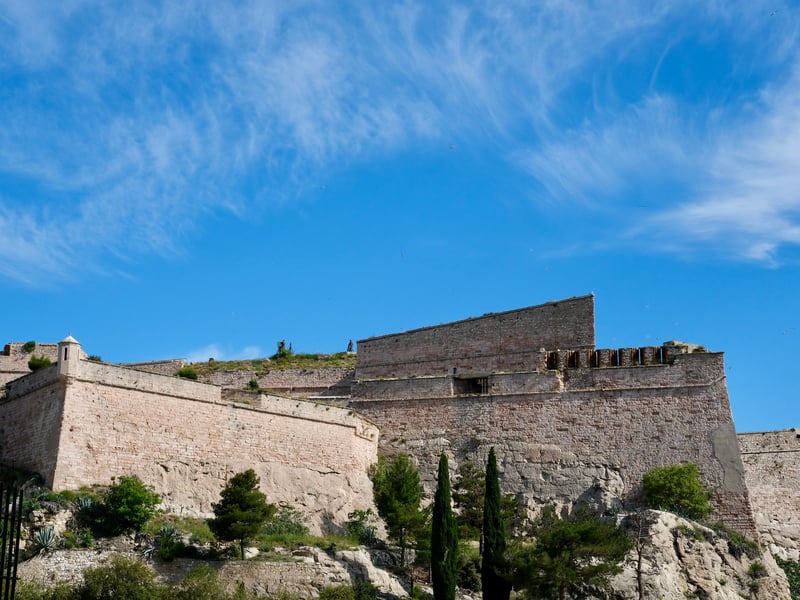
Fort Saint-Nicolas was built under the command ofLouis XIV, who reigned over France from 1643 to 1715. The idea was to extend the city’s defense system, which at the time was limited to Fort Notre-Dame de la Garde — where Marseille’s towering basilica now looks over the city — and the Château d’If, the island just off the coast made famous as the setting of Alexandre Dumas’ “The Count of Monte Cristo.” There was a military reserve in the location of Fort Saint-Jean.
But there’s something unusual about Fort Saint-Nicolas. Its cannons don’t point toward the sea. They’re aimed inward, directly at Marseille itself.
“It was a way for the king to tell the people of Marseille that he had his eye on them,” Judith Aziza, a local historian and author, told Courthouse News. “He had many opponents who wanted to get rid of him … . The people of Marseille were against him.”
Louis XIV went on to suppress the ruling aristocrats of the city by taking away their municipal powers, according to Aziza, replacing them with bourgeois merchants.
During the Second World War, the fort became a German stronghold when France was under Vichy rule. It was used as a prison for anyone against the Nazis and its regime. After the war, it remained a military structure, closed to the public.

Renovations on Fort Saint-Nicolas started 20 years ago and were spearheaded by an unlikely organization: Groupe SOS, an association that advocates for social inclusion nationally and internationally. The project offered unemployed people the opportunity to work on all aspects of the restoration effort, bringing them into the workforce.
“We had people that were new arrivals in France and were looking for their first job in the country, we had young people that hadn’t entered the job market yet, we had seniors and people that had been unemployed for a long time in precarious situations,” Lengagne said. “It could be a springboard back to work.”
The original effort was limited to restoration, but the fort will now become a fully-fledged cultural space. On Saturday, an LGBT collective will host an electro-techno night to celebrate the opening. Later this month, the Bel Air electronic festival will also host events in its walls. The gardens will be open for people to hang out and picnic.
The fort holds a place in Marseille’s imagination, according to Lengagne, and the opening showcases a willingness to progress.
“The heritage symbol for a city that has 2,600 years of history is strong,” he said. “It’s the symbol of a city that’s moving forward, which is increasingly asking itself the question of how we can open the door to new projects.”
 Follow @lilyradz
Subscribe to our free newsletters
Our weekly newsletter Closing Arguments offers the latest about ongoing trials, major litigation and rulings in courthouses around the U.S. and the world, while the monthly Under the Lights dishes the legal dirt from Hollywood, sports, Big Tech and the arts.