
 Search Articles


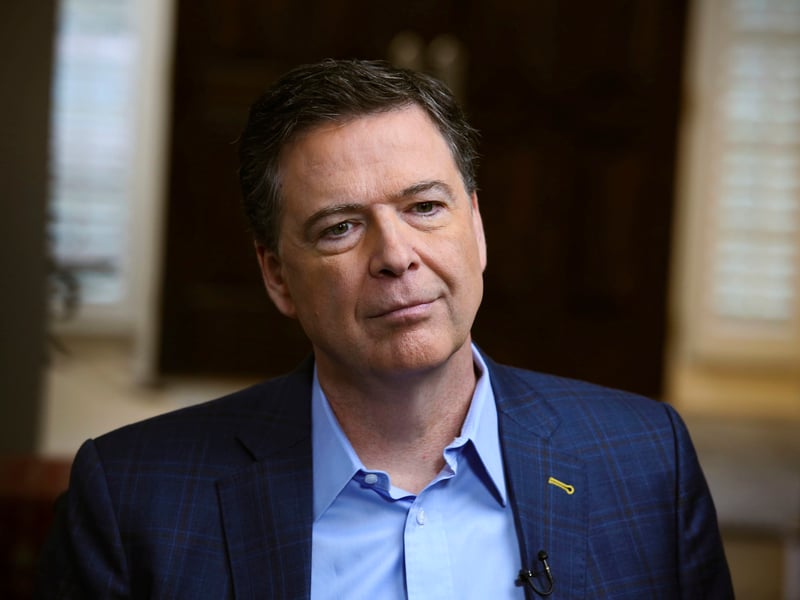
ALEXANDRIA, Va. (CN) — U.S. Department of Justice attorneys must produce potential evidence in the case against former FBI Director James Comey after a hearing Wednesday in which a federal magistrate accused prosecutors of following an “indict first, investigate second” path.
Ruling from the bench, U.S. Magistrate Judge William Fitzpatrick ordered that by the end of the business day Thursday, the government must turn over information ranging from data collected during an unrelated probe to the grand jury proceedings that led to Comey’s indictment.
Comey’s legal team had complained the government was withholding information. The judge responded, “We’re going to fix that, and we’re going to fix that today.”
DOJ attorneys said they wanted the court to establish a filter protocol team charged with sifting through documents in the case, some of which could contain privileged material. The objective would be to tackle issues relating to disclosure of the material potentially involving attorney-client privilege.
But after the DOJ’s lead attorney, N. Tyler Lemons, explained the government’s position, Fitzpatrick interrupted: “Why should you get first crack at this?”
Lemons said the filter protocol proposal was an attempt to let the court weigh in after DOJ attorneys realized some information under review could involve attorney-client privilege. “We’re trying at every step to do the right thing,” he said.
Comey’s legal team sees things differently, according to Rebekah Donaleski, one of the former FBI director’s lawyers. Attorneys had not been able to review materials and could not determine if privileged materials were included.
But now, “[you] are getting everything,” Fitzpatrick assured them.
Comey faces charges of making false statements within the jurisdiction of the U.S. legislative branch and obstruction of a congressional proceeding in connection with testimony he gave in 2020.
His defense team charges that materials referred to by the government were obtained more than five years ago in an investigation that concluded without charges.
Quarantined evidence includes an image of a computer hard drive, an iCloud download, the backup of an iPhone and the backup of an iPad, prosecutors explained in court filings.
The materials center around a separate investigation by the FBI in 2017 known as Arctic Haze. It involved unauthorized disclosure of classified information to The New York Times, Comey’s legal team said in court documents. Daniel Richman, a professor at Columbia Law School and friend of Comey, was interviewed in the investigation.
Richman is also an attorney who represented Comey at the time. Comey’s team raised concerns about the government’s respect for — and ability to safeguard — attorney-client privileged materials.
Comey attended the hearing alongside his legal team.
While Lemons leads the prosecution, Lindsey Halligan, a former President Donald Trump aide and insurance attorney who was appointed interim U.S. attorney in the Eastern District of Virginia, signed Comey’s indictment. Her authority is central to another challenge in the case, and she said nothing during the hearing. A federal judge overseeing that facet of the case has accused the DOJ of not handing over a complete record of remarks made to the grand jury.
Subscribe to our free newsletters
Our weekly newsletter Closing Arguments offers the latest about ongoing trials, major litigation and rulings in courthouses around the U.S. and the world, while the monthly Under the Lights dishes the legal dirt from Hollywood, sports, Big Tech and the arts.