
 Search Articles


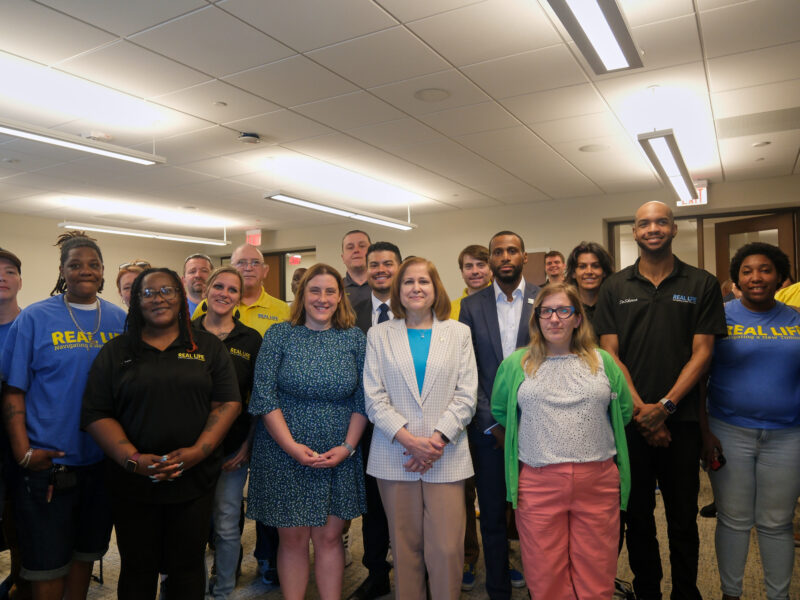
RICHMOND, Va. (CN) — Advocates and lawmakers sounded the alarm Wednesday on the impact potential cuts to Medicaid expansion could have on curbing the opioid epidemic.
“I’m afraid I will relapse without the health care I get through Medicaid,” Jessi Ross, who sought treatment for her 20-year opioid addiction after losing her partner to an overdose, said. “When you start removing those supports, the world collapses around you, and you could relapse. Medicaid saved my life and so many other people like me."
The concern comes after the House of Representatives passed a budget framework on April 10 that ordered the House Committee on Energy and Commerce to reduce the federal deficit by $880 billion over a decade.
President Donald Trump told a reporter in February that he wouldn’t cut Medicare, Medicaid and Social Security, but that he is targeting fraud.
Medicaid is the country’s largest health insurer, covering over 70 millionAmericans in 2024. Although the bill doesn’t specifically name Medicaid, budget analysts predict cutting parts of Medicaid is the only way to meet the House’s budget resolution requirements.
Advocates believe the committee will target Medicaid expansion, a provision of the Affordable Care Act allowing states to expand Medicaid coverage to adults under 65 with incomes up to 138% of the federal poverty level. Before the ACA, Medicaid was generally unavailable to non-disabled adults under 65 unless they had minor children.
“If this budget passes, it could mean shuttered treatment centers, longer wait times for care and fewer peer recovery specialists,” said Victor McKenzie, executive director of the Substance Abuse and Addiction Recovery Alliance of Virginia. “This is a life and death issue.”
Expansion is funded 90% through the federal government, with states paying the other 10%. According to the Kaiser Family Foundation, over 3 million expansion enrollees live in states like Arizona and Utah that have trigger laws that would end expansion coverage or require review of expansion coverage to mitigate increases in state costs if federal funding for the expansion is reduced. Should the federal government ask states to pay more for expansion, Virginia is at risk of automatically losing more than 629,000 enrollees.
Around a million Americans receive treatment for opioid use disorder through Medicaid, with 60% of those individuals accessing the treatment through Medicaid expansion. Medicaid covers counseling and service-based appointments, life-saving medications such as Naloxone — a drug that reverses opioid overdoses — and methadone and buprenorphine, which provide relief from withdrawal symptoms.
Medicaid provides coverage for other substance use disorders.
“I was addicted to alcohol and living on the streets of Newport News and Norfolk at first, but thanks to Medicaid, I was able to get into a recovery program in the area,” DeShawn Cross said. “I would just tell members of Congress, if you want to get more people to be productive members of society, some of them need help getting a start.”
Cuts could also impact more than one in three nonelderly adults enrolled in Medicaid who have a mental illness, including 10% with a serious mental illness.
“Stabilizing my mental health has played a big role in helping me to not use,” said Ross, who suffers from bipolar and panic disorders. “Just my mental health medications would cost me $80 a month when I didn’t even have shoes. How could I afford that?”
A group of congressional Republicans submitted a letter to House Republican leadership, urging them to preserve Medicaid for vulnerable populations.
“Medicaid is an indispensable lifeline for our nation’s most vulnerable, including people with disabilities, seniors, and expectant mothers,” Virginia Congressman Rob Wittman said in a press release. “That’s why we must act now to strengthen the program. To preserve Medicaid, we need to focus on rooting out waste, fraud, and abuse within the system.”
Virginia State Senator Ghazala Hashmi called the effort performative.
“Why didn’t you stand up and speak on these issues and fight for your constituents as the budget was being considered?” the Democrat asked. “We didn’t hear from them at that point when it was so essential for them to be fighting on these issues.”
Republicans have indicated their desire to add a requirement that enrollees between 18 and 65 who are not otherwise unable to work due to a medical condition, family situation or other listed reason work or volunteer at least 20 hours per week, based on a monthly average, to qualify for Medicaid.
The House Committee on Energy and Commerce will meet on May 7 to consider which programs to cut.
Subscribe to our free newsletters
Our weekly newsletter Closing Arguments offers the latest about ongoing trials, major litigation and rulings in courthouses around the U.S. and the world, while the monthly Under the Lights dishes the legal dirt from Hollywood, sports, Big Tech and the arts.