
 Search Articles


MANHATTAN (CN) — A higher-up at Live Nation rattled off a laundry list of big-name musical artists in defense of his company, and its ticketing subsidiary Ticketmaster, as a federal antitrust case against the brands stretched into its second phase on Thursday.
Live Nation and Ticketmaster are looking to buck claims from more than two dozen states accusing them of unlawfully leveraging artists, fans and venues with a supposed monopolistic stronghold over the live event industry.
After more than two weeks of testimony from the states’ side, the companies called their first defense witness on Thursday: Omar Al-joulani, the president of touring at Live Nation, who named artists like Coldplay and Imagine Dragons among the clients he’s most proud of working with.
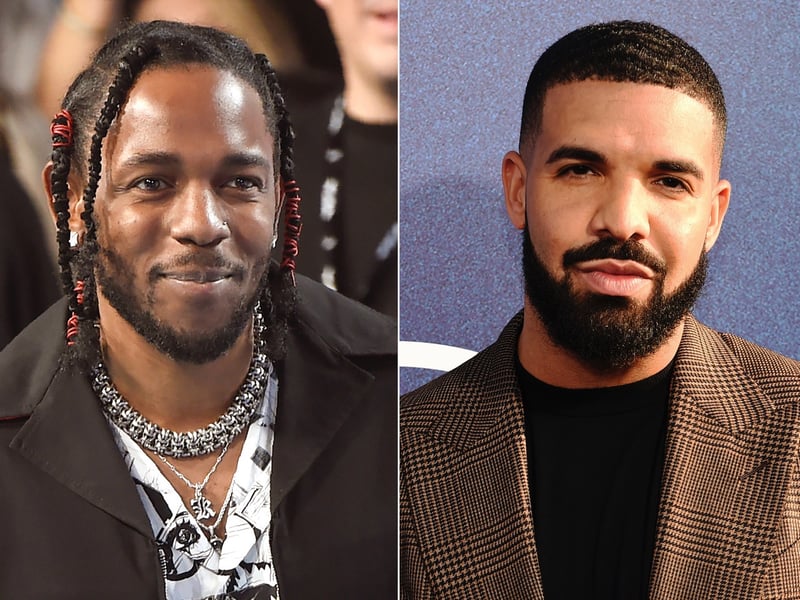
“Drake, Kendrick Lamar — funny I put those two together,” Al-joulani continued with his list, making a passing reference to the rappers’ heated rivalry.
Al-joulani explained he was particularly proud of working with artists like these four because Live Nation doesn’t have long-term contracts with them, meaning the musicians consistently choose to work with his company over others in the marketplace. It’s seemingly a direct counter to the states’ assertion that Live Nation and Ticketmaster leverage their respective market dominance to pressure artists into exclusive deals.
“There are lots of promoter options,” Al-joulani said, referencing times Live Nation has lost out on concerts from artists like Morgan Wallen and Bruce Springsteen. “I can’t stress telling you how competitive the business is.”
Despite the defense starting to call witnesses on Thursday, the states have not technically rested their case. Due to scheduling issues, they will call two witnesses in the midst of the defense case before officially wrapping their evidence presentation.
The defense is expected to spend about seven trial days on its case, which will elicit testimony from executives and satisfied business partners — including Adel “Future the Prince” Nur, manager to hip-hop icon Drake.
Over the past several weeks, the states called to the stand the likes of John Abbamondi, the former CEO of Barclays Center in Brooklyn, who told jurors that Live Nation pulled concerts from his arena in 2021 after he swapped ticketing services from Ticketmaster to SeatGeek.
“We saw a dramatic decline in shows booked at the arena,” Abbamondi testified earlier this month. “We counted.”
For the states, it spoke to their claim that Live Nation leveraged its influence as the world’s largest live entertainment company to force artists and venues into using Ticketmaster. This strategy has resulted in Live Nation claiming a more than 70% market share in large amphitheater promotions and Ticketmaster securing an 86% market share in primary concert ticketing, according to the suing states.
“They give you less choice so you have to use their product,” federal antitrust attorney David Dahlquist said at the trial’s opening.
Jurors also heard from the CEO of Live Nation, Michael Rapino, who sharply rebuked the claims against his company and insisted that it operated in a competitive marketplace. Rapino testified that customers of his ticketing software — wealthy arena executives, many of whom own the sports teams that play in them — aren’t able to be so easily strong-armed, as the states argue.
“All these smart billionaires that own these teams look at all their options,” Rapino said.
But the 60-year-old was also forced to answer for past statements, boasting the near invincibility of his brand, that seemed to clash with his argument that there are legitimate competitors in his industry.
He once called Live Nation “recession-proof” and said the company had “incredible market power around the world.” More than a decade ago, he proclaimed his business “was larger than every other promoter business in the world combined.” And it’s only grown since then, the states argue.
Rapino was also faced with unearthed texts from a ticketing employee, who boasted about “taking advantage” of concertgoers with exorbitant ancillary fees and “robbing them blind baby.” The messages, sent on Slack by Live Nation employee Ben Baker in 2022, served as a memorable centerpiece for the states’ claim that the company’s unrivaled market power allows it to singlehandedly dictate prices.
“It’s disgusting, it’s not the way we operate,” Rapino testified when pressed about the messages, though he also acknowledged that he was yet to take any disciplinary action against Baker, who has since been promoted to the head of ticketing for Live Nation venues.
The states elicited testimony from experts, too, like antitrust economist Rosa Abrantes-Metz, who determined that Ticketmaster retained an excess of $2.30 for every ticket sold, on average, compared to another top ticketer. A bulk of that excess was covered by concertgoers, who paid between an extra $1.56 and $1.72 per ticket, Abrantes-Metz testified.
Live Nation and Ticketmaster have been steadfast in arguing that their domination of the market isn’t the result of an illegal monopoly but rather being the best products and services available.
The unprecedented antitrust case nearly stalled altogether earlier this month, after the Department of Justice, which initially brought the case back in 2024, unceremoniously settled with the companies in the middle of trial.
The $280 million settlement deal orders several changes to Live Nation and Ticketmaster’s respective business models but does not require the brands to split. Unsatisfied with those terms, more than two dozen states rejected the settlement and sought a mistrial, a motion that was later abandoned in favor of simply resuming testimony, albeit without the DOJ’s backing.
 Follow @Uebey
 Follow @uebey.bsky.social
Subscribe to our free newsletters
Our weekly newsletter Closing Arguments offers the latest about ongoing trials, major litigation and rulings in courthouses around the U.S. and the world, while the monthly Under the Lights dishes the legal dirt from Hollywood, sports, Big Tech and the arts.