
 Search Articles


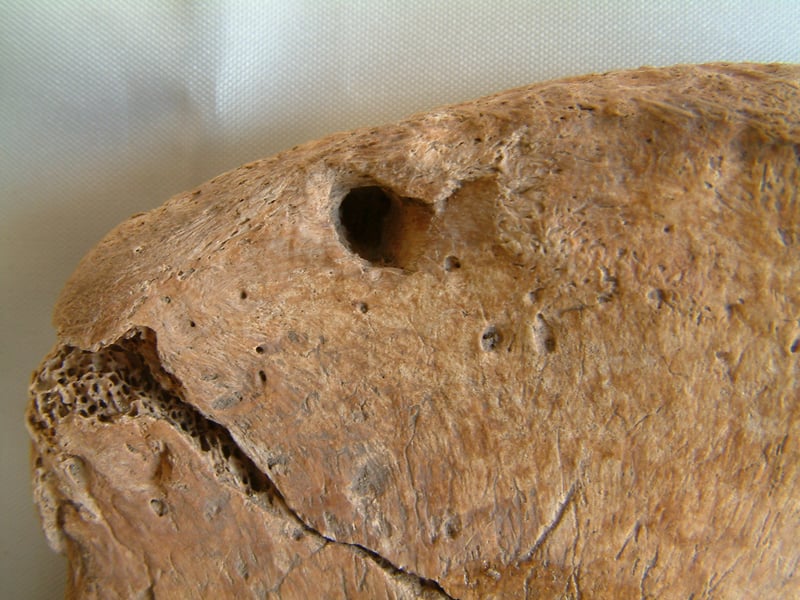
(CN) — A skeleton found in a Roman cemetery in York offers the first physical evidence of a gladiator fighting — and dying — in combat with a lion, or large cat.
The research, published Wednesday in the journal PLOS One, marks the first time this type of gladiator-animal combat has been confirmed through skeletal remains. Researchers say bite marks on the man’s bones match those of a large cat, likely a lion, offering direct archaeological evidence of the violent spectacles once held in Roman arenas.
The remains were excavated from Driffield Terrace, a well-known Roman burial site where dozens of young, well-built men have been found since 2004.
According to researchers, many of the skeletons showed signs of intense physical training and violent injuries, but this case stood out.
“The bite marks were likely made by a lion, which confirms that the skeletons buried at the cemetery were gladiators, rather than soldiers or slaves, as initially thought,” said Malin Holst, lecturer in osteoarchaeology at the University of York said in a press release. “It represents the first osteological confirmation of human interaction with large carnivores in a combat or entertainment setting in the Roman world.”
The man, estimated to be between 26 and 35 years old, was buried alongside two others and overlaid with horse bones, say researchers. He had recovered from early malnutrition but showed signs of spinal damage, inflammation in the lungs and thigh, and a lion bite that likely killed him. There was also evidence of decapitation after death, a ritual seen in other Roman burials, though the purpose remains unclear.
According to researchers, he may have been a Bestiarius, a type of gladiator who fought animals in the arena. These fighters could be slaves, prisoners or volunteers. Analysis of the bones matched the bite pattern of a lion at a modern zoo, helping confirm the animal responsible.
“This is a hugely exciting find because we can now start to build a better image of what these gladiators were like in life,” Holst said. “It also confirms the presence of large cats, and potentially other exotic animals, in arenas in cities such as York, and how they too had to defend themselves from the threat of death.”
Although Roman gladiator events are often associated with the Colosseum in Rome, evidence suggests they took place across the empire, including in York, researchers say. The city was a key Roman military hub and even home to Constantine, who declared himself emperor there in 306 A.D.
“We often have a mental image of these combats occurring at the grand surroundings of the Colosseum in Rome,” Holst said. “But these latest findings show that these sporting events had a far reach, well beyond the centre of core Roman territories.”
David Jennings, CEO of York Archaeology, said this discovery adds to growing knowledge about the individuals buried at Driffield Terrace, including recent work examining their genetic origins.
Jorvic DIG, archaeology-themed visitor attraction in England, will host the skeleton as part of its Roman exhibition, which includes a reconstruction of the gladiator’s face.
“We may never know what brought this man to the arena where we believe he may have been fighting for the entertainment of others,” Jennings said in the press release. “But it is remarkable that the first osteo-archaeological evidence for this kind of gladiatorial combat has been found so far from the Colosseum of Rome, which would have been the classical world’s Wembley Stadium of combat.”
Subscribe to our free newsletters
Our weekly newsletter Closing Arguments offers the latest about ongoing trials, major litigation and rulings in courthouses around the U.S. and the world, while the monthly Under the Lights dishes the legal dirt from Hollywood, sports, Big Tech and the arts.