
 Search Articles


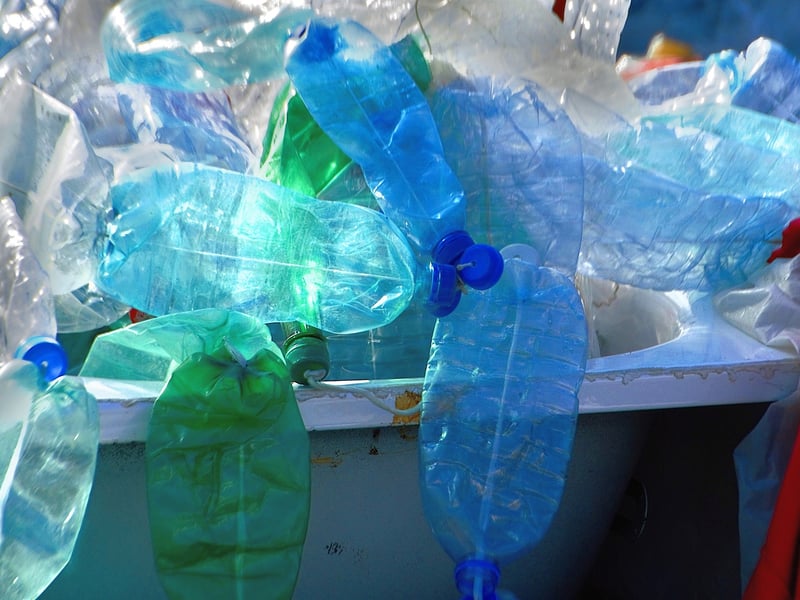
(CN) — Los Angeles County filed a lawsuit Wednesday night against soda companies like Pepsico and Coca-Cola, claiming that their plastic packaging has contributed to public and environmental health issues in California.
The county also claims the companies have deliberately misled Californians about how their products can be recycled.
“Los Angeles County is committed to reducing the use of plastic and protecting the environment,” said Los Angeles County Board Chair Lindsey P. Horvath in a statement. “Coke and Pepsi need to stop the deception and take responsibility for the plastic pollution problems your products are causing. Los Angeles County will continue to address the serious environmental impacts caused by companies engaging in misleading and unfair business practices.”
According to the county in their suit filed in California Superior Court, plastic waste amounts to nearly 14% of all trash in California — and most of it ends up ends up clogging up county sewers and waterways, leaching toxins into the environment.
LA county, represented by County Counsel Dawyn R. Harrison, says that PepsiCo, Pepsi Bottling Ventures, The Coca-Cola Company and Reyes Coca-Cola Bottling have helped contribute to and even exacerbated the amount of plastic waste in the county.
“PepsiCo and Coca-Cola have been ranked as the world’s top plastic polluters for six consecutive years by Break Free From Plastic and yet they have faced little to no accountability for their plastic trash that litters areas around the globe,” the county says in its suit.
Between them, the two companies also own brands like Mountain Dew, Aquafina, Gatorade, Dasani, Sprite, Minute Maid and Fanta.
The county brings claims of public nuisance, unfair competition and untrue and misleading advertising against the soda companies, highlighting misrepresentations it says they made about the effectiveness of recycling and their own use of recycled materials.
As consumers began to consider sustainability and conservation more over the decades, plastic packaging has become a major target, since it doesn’t naturally biodegrade and only breaks down into dangerous microplastics.
LA County accuses Pepsico and Coca-Cola of falsely pushing the idea of a “circular economy” for plastic bottles, where the recycled material can be endlessly remade into more packaging. They point out that this model is not realistic, as most plastic can only be recycled once before becoming waste.
“The self-described, never-ending and environmentally virtuous circular chain that PepsiCo claims it will create is in clear contravention to well-documented research and reality itself,” the county says. “Recycling simply cannot keep pace with defendants’ plastic production — or their false promises.”
According to the county, the companies have worked with the plastics industry to sidestep plastic bans by promoting recycling as a viable method for reducing plastic litter. They say the soda companies have also misleadingly advertised many of their plastic bottles as being made from recycled material, even when that isn’t the case.
“These campaigns are particularly harmful because they emphasize recycling — a solution experts have known for decades cannot work on a large enough scale — instead of tried-and-true solutions like reducing the use of plastic and investing in sustainable materials that can be reused,” LA county writes.
Along with their accusations that the soda companies are greenwashing their plastic use, the county says the plastic waste from the defendants’ bottles are becoming a nuisance to LA. The county says it uses floating trash “booms” that remove 1,000 tons of trash and 10 tons of debris from the Los Angeles River and cost around $2 million a year to operate.
Further, the county points to the public health and environmental damage plastic pollution creates. Research shows that runoff from plastic pollution can contaminate the ecosystem and create negative effects down the line for human and animal health.
Microplastics and nanoplastics have also become a major concern in recent years as more research shows they are nearly impossible to remove from the environment, affecting food production, exacerbating health risks for conditions like Alzheimer’s and cardiovascular disease, and threatening marine animals.
The county asks for the court to mitigate the negative effects of their plastic products and to pay restitution and civil penalty of $2,500 for each affected person in the county.
William Dermody of American Beverage Association — a lobbying group which represents the non-alcoholic beverage industry in the U.S, including PepsiCo and The Coca-Cola Company — denied LA county’s claims.
“The allegation that our packaging is not and will not be recycled is simply not true. Driven by the California Redemption Value bottle return and investments by America’s beverage companies, California has one of the highest bottle recycling rates in the country — 71% in 2023. Our bottles are designed to be recycled and remade and can include up to 100% recycled plastic. America’s beverage companies are proud of our leadership in California, and across the country, and will continue our partnership with the Golden State to get every bottle back,” Dermody said in an email.
California has previously other taken steps to curb plastic waste; Governor Gavin Newsom signed a law in May that requires producers to cut single-use plastic and to use sustainable packaging.
On Friday, a New York judge dismissed a similar suit brought by the state against PepsiCo for pollution in the Buffalo River, writing that it was people who created the pollution, not the food and drink company.
Subscribe to our free newsletters
Our weekly newsletter Closing Arguments offers the latest about ongoing trials, major litigation and rulings in courthouses around the U.S. and the world, while the monthly Under the Lights dishes the legal dirt from Hollywood, sports, Big Tech and the arts.