
 Search Articles


WASHINGTON (CN) — Justice Brett Kavanaugh granted North Dakota tribes temporary reprieve on Wednesday from a federal appeals court’s ruling that could slash enforcement of the Voting Rights Act.
Issuing an administrative stay, the Donald Trump appointee prevented changes to North Dakota’s 2021 redistricting maps while the justices review an emergency appeal from two tribes and three voters.
At issue is whether private plaintiffs can sue to uphold Section 2 of the Voting Rights Act, which bans racial discrimination against voters. The remaining vestige of the landmark law has been at the center of voting rights litigation over the last decade, providing a path to challenge discriminatory redistricting plans that dilute the voting power of minorities.
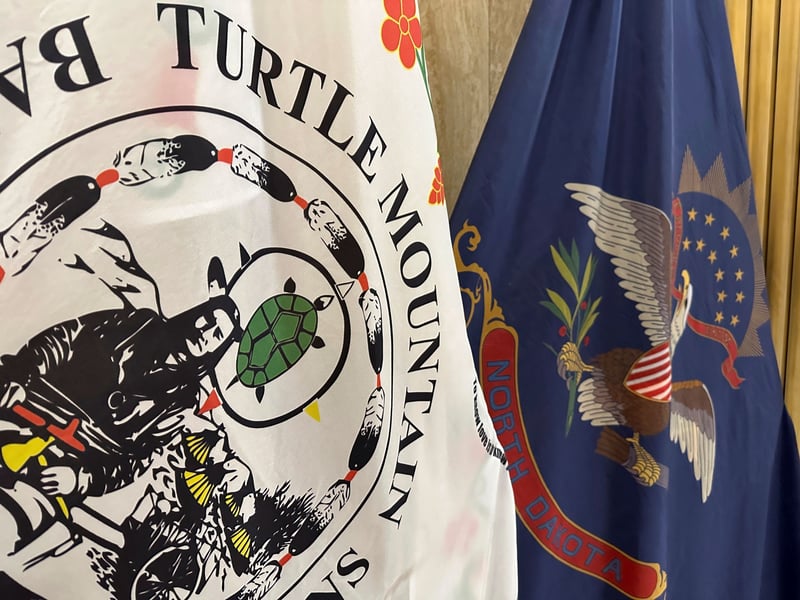
The Turtle Mountain Band of Chippewa Indians, the Spirit Lake Tribe and three voters from those groups challenged North Dakota’s 2021 state legislative redistricting plan under Section 2, claiming the plan diluted the votes of Native Americans. However, North Dakota’s secretary of state moved to dismiss the case, arguing that only the Department of Justice can sue for Section 2 violations.
A trial court held that North Dakota’s map discriminated against Native American voters in violation of Section 2. However, the Eighth Circuit foreclosed relief, finding no path for private parties to enforce the landmark statute.
The tribes asked the Supreme Court to pause the appeals court’s ruling, warning it kneecaps Congress’ most important civil rights statute.
“Citizens in the Eighth Circuit’s seven states now have fewer enforceable rights and protections against racial discrimination in voting than citizens in the rest of the nation,” the tribes wrote. “That result is unjust, untenable, and requires action by this court.”
Over 400 Section 2 claims have been brought since 1982. The Eighth Circuit’s ruling would upend decades of precedent in appeals courts across the nation, as well as the Supreme Court.
“Section 2 is, and always has been, enforced primarily by private litigants,” the tribes wrote. “From 1982 through August 2024, ‘private plaintiffs have been party to 96.4% of Section 2 claims that produced published opinions … and the sole litigants in 86.7% of these decisions.’”
If allowed to take effect, Collette Brown, one of the voters involved in the case from the Spirit Lake Tribe, could be ejected from her seat on the North Dakota Legislature. North Dakota’s legislative map must be set by Dec. 31, and without a stay, the maps would be reinstated for the 2026 election.
Wes Davis and Zachery S. King from the Turtle Mountain Band of Chippewa are also members of the suit.
Kavanaugh’s administrative pause will prevent the Eighth Circuit’s ruling from going into effect while the tribes’ emergency appeal is considered by the justices.
The court requested a response from North Dakota Secretary of State Michael Howe by July 22.
 Follow @KelseyReichmann
 Follow @kelseyreichmann.bsky.social
Subscribe to our free newsletters
Our weekly newsletter Closing Arguments offers the latest about ongoing trials, major litigation and rulings in courthouses around the U.S. and the world, while the monthly Under the Lights dishes the legal dirt from Hollywood, sports, Big Tech and the arts.