
 Search Articles


MANHATTAN (CN) — The owners of the New York City outposts of a tiki-themed kava café chain, Kavasutra, urged a Court of Appeals for the Second Circuit panel on Wednesday to weigh in on whether or not the city’s health department properly classified their signature root tea as an unsafe food additive when it shut down two bars in 2023.
“This is very metaphysical to me,” U.S. Circuit Judge Beth Robinson, a Joe Biden appointee, remarked during oral arguments on Wednesday morning, as city lawyers in the appeal mounted arguments that presume “water is food” and proposed that ground kava root brewed in water or coconut milk is technically a “food additive" because it transformed the characteristics of the food.
U.S. Circuit Judge Alison Nathan pressed Kavasutra to explain how the drinks are not a “a food additive” as deemed by the city’s health department.
“Whether you’re adding water to kava or kava to water, how do I look at that statute and know that doesn’t make kava a food additive, it seems to fit within the meaning of a quite broadly worded statute,” the Biden-appointed judge said.
Kavasutra argues they do not sell kava as a food additive, but a root plant which is simply mixed with or brewed in water, and run it through a filter in the same way that coffee or herbal tea is made.
They initially sought a preliminary injunction to continue serving kava so as to not lose their customers, but the lower court deniedit. Kavasutra argued on appeal that they actually have a strong likelihood of success on their claim.
Lawyers representing New York City say the denial should be affirmed, with New York City Law Department senior counsel Philip Young arguing that kava does qualify as a food additive since “affects the characteristics” of the water, by creating a new, “tea-like”, water-based suspension comprised of kava root powder and water.
Young also argued that Kavasutra failed to show that the business would suffer irreparable harm without a preliminary injunction.
“All he says is, ‘here’s the monthly rent of my store, and the city closed my stores, and I’m going to lose income and I’m not going to be able to pay rent as a result of that’,” he said. “He says nothing about kava being the only product he sells; doesn’t tell us what other products the stores sell; doesn’t say that he’s able to continue operating the stores if he didn’t sell this kava.”
Nathan also questioned whether or not being barred from selling the bars’ namesake item would constitute irreparable harm to the company.
“What I was thinking about when I was coming to work today was Shake Shack — If they can’t sell shakes, they’ll do just fine,” she said. “I presume it’s true, but what in the record do I look to to see what harm your client suffers in the interim from not being able to sell kava?”
Kavasutra’s attorney Henry Mascia insisted that remaining open but not being able to sell kava would “absolutely destroy” customer good will and loyalty.
“This is the product that my client’s establishment is named after,” he said. “How could a [customer] go into the store named Kavasutra, find no kava to be found anywhere and remain loyal to that establishment because they offer coffee and scones?”
The owners of two Kavasutra bars in the East Village that serve kava tea drinks instead of alcohol first brought a civil complaint against the city in July 2023, seeking declaratory relief from Manhattan federal judge after the city’s health department shut down the two café locations for offering what the city said was adulterated food to the public.
The drinking of kava — a root of a plant that is customarily mixed or brewed in water to produce a ceremonial libation that is popular in Hawaii and other Pacific Island cultures —was first introduced to places like New Caledonia, the Solomon Islands, Kiribati and New Zealand by migrants, before becoming popular in Western society as a recreational drink, a dietary supplement and for medicinal purposes as an anxiolytic drug for anxiety and insomnia.
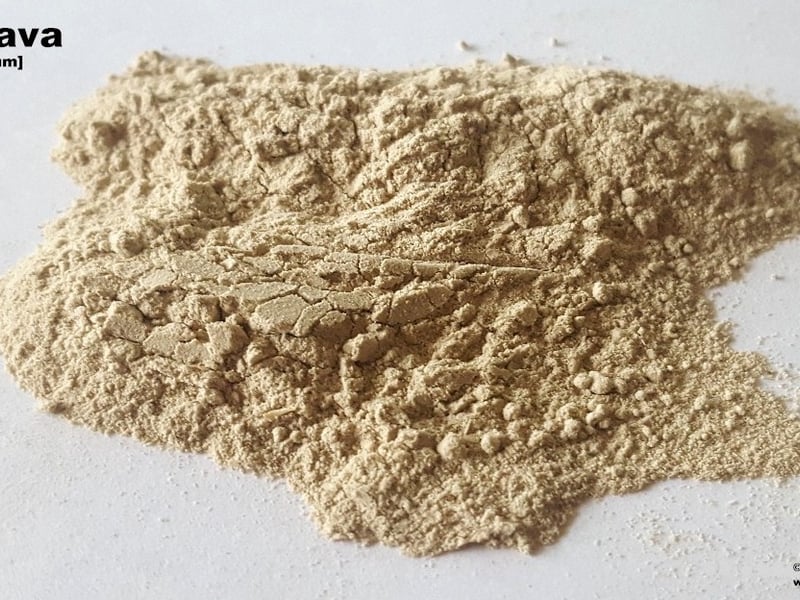
Traditionally, kava extracts are prepared from macerated rhizome roots combined with cold water or coconut milk. Kavasutra sources its kava from a South Pacific island nation of Vanuatu.
The 10th Street Kavasutra location in New York’s East Village neighbor opened in July 2015; the First Street outpost in December 2019. The bars, which do not serve alcohol, are popular watering holes in the so-called “sober living” communities and with customers who otherwise abstain from drinking booze.
New York City’s Department of Health and Mental Hygiene embargoed Kavasutra’s kava products August 2022, barring them from selling kava tea, and eventually closed its bars in July 2023 after Kavasutra repeatedly violated the department’s orders and interfered with its inspections.
In 2002, the Food and Drug Administration issued an advisory warning consumers that dietary supplements containing kava might be “associated with severe liver injury,” based on studies that measured the effects of highly-concentrated extracts, and in 2020, it published a memorandum concluding that kava is not generally recognized as safe for human consumption.
Nathan and Robinson were joined on the panel by U.S. Circuit Judge Denny Chin, a Barack Obama appointee.
The three-judge panel did not immediately rule on Kavasutra’s appeal on Wednesday.
Kavasutra is currently scheduled to stand trial on its underlying civil complaint in Manhattan federal court starting January 21, 2025.
 Follow @jruss_jruss
Subscribe to our free newsletters
Our weekly newsletter Closing Arguments offers the latest about ongoing trials, major litigation and rulings in courthouses around the U.S. and the world, while the monthly Under the Lights dishes the legal dirt from Hollywood, sports, Big Tech and the arts.