
 Search Articles


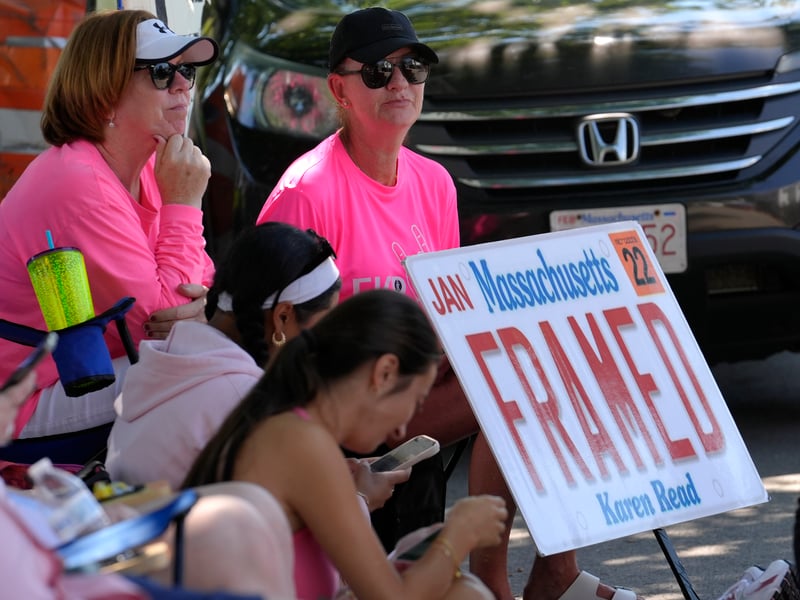
BOSTON (CN) — A ban on protests within a 200-foot “buffer zone” around the courthouse where the Karen Read murder trial is taking place might violate the First Amendment, the First Circuit held Friday.
The state trial judge in the Read case, Beverly Cannone, ordered the buffer zone to prevent protesters from intimidating jurors and witnesses and making so much noise as to disrupt the proceedings. A federal judge refused to issue a preliminary injunction against the buffer zone, finding that a group of protesters was unlikely to be able to show that its First Amendment rights outweighed the right to a fair trial.
But at oral arguments in the First Circuit four days ago, the protesters’ lawyer, Mark Randazza, told the court that his clients were willing to agree to a compromise: They would remain silent, protest only on streets and sidewalks off courthouse property and stay away when jurors entered and left the courthouse.
“How about a buffer zone around the juror bus?” Randazza suggested. “We’d waive any right to that. We can all compromise on that … We’ll be silent; we’ll stay away from jurors.”
In a 12-page per curiam decision, the First Circuit said the protesters’ concessions obviated most of the problems and ordered the federal judge to reconsider.
“Plaintiffs have suggested to us that they challenge the order as applied to quiet, offsite demonstrations on public property, in areas and at times that do not interfere with trial participants’ entrance into and exit from the courthouse, that do not interfere with the administration of justice, and that will not influence any trial participants in the discharge of their duties,” the circuit panel wrote.
“We therefore send the case back to the district court to consider anew both plaintiffs’ motion and the Commonwealth’s arguments against it.”
The Karen Read trial “has become something of a cultural phenomenon,” the panel observed.
Read was charged with hitting her police officer boyfriend, John O’Keefe, with her SUV and leaving him to die in a snowbank after a night of drinking. The case made national headlines because many residents believe O’Keefe died after a fight with another cop and that the local police covered it up by framing Read — leading to widespread public protests in Read’s favor.
Controversy intensified when text messages from the lead police investigator in the case, Michael Proctor, revealed not only that he was biased but that he searched Read’s phone for nude photos of her, called her a “whackjob cunt,” ridiculed her for having a chronic illness, made disparaging comments about her rear end and said that he hoped she would kill herself. He was suspended without pay and eventually fired.
Read’s first trial ended with a hung jury, and her retrial began last month.
Randazza — a colorful Las Vegas attorney whose work has involved Satanists, neo-Nazis, porn websites and rights to the Klingon language — told the judges on Monday that the ostensible purpose of the buffer zone was to prevent noise from disrupting Read’s right to a fair trial, but Read herself didn’t object to the protests, and police were targeting people who made no noise at all and weren’t engaging in demonstrations.
One man peacefully walked by with a sticker on his jacket, and “the cops tore it off him and said that has to go,” Randazza claimed. Another man “was attacked by a cop just for making a video recording.”
This isn’t the first time Randazza has squared off with police in the Read matter. Last September, he appeared before the First Circuit complaining that protesters were improperly charged with “witness intimidation” after they held up pro-Read signs across the street from a pizza parlor owned by a prosecution witness.
In its decision on the buffer zone, the circuit court suggested that Cannone herself could make the whole problem go away by revising her order in light of the protesters’ concessions.
“Of course, the state court could, entirely of its own volition, further simplify any potential First Amendment issues by amending the order,” the circuit panel wrote, by limiting it “to demonstrations directed toward interfering with the administration of justice or influencing trial participants.
“Based on plaintiffs’ representations at oral argument, such an amendment would allow plaintiffs to engage in their desired quiet, offsite, nonobstructive demonstrations, while minimizing the risk that demonstrators will improperly interfere with the judicial process.”
Subscribe to our free newsletters
Our weekly newsletter Closing Arguments offers the latest about ongoing trials, major litigation and rulings in courthouses around the U.S. and the world, while the monthly Under the Lights dishes the legal dirt from Hollywood, sports, Big Tech and the arts.