
 Search Articles


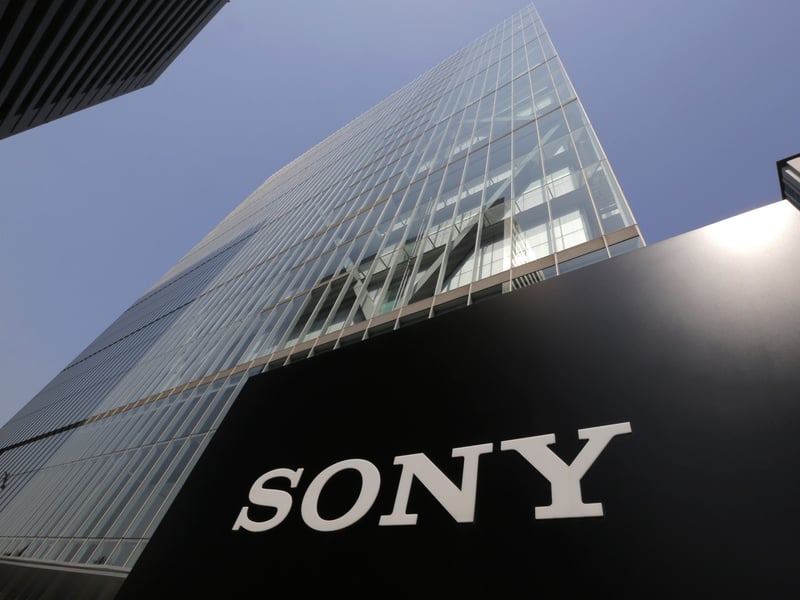
WASHINGTON (CN) — The Supreme Court threw out a lower court ruling against Cox Communications on Wednesday, finding the internet service provider shouldn’t have been held liable for serial copyright abusers.
“Although our precedents have recognized specific forms of secondary copyright liability that predated the Copyright Act, we are loath to expand such liability beyond those precedents,” Justice Clarence Thomas, a George W. Bush appointee, wrote for a seven-justice majority.
The court’s decision was unanimous, but Justice Sonia Sotomayor, a Barack Obama appointee, and Justice Ketanji Brown Jackson, a Joe Biden appointee, did not join Thomas’ opinion.
Music industry titans sued Cox for providing services to users who continually infringed on copyrighted works by downloading or distributing songs on the internet without permission. The litigation uncovered that a manager at Cox responsible for Digital Millennium Copyright Act compliance told his team, “F the dmca.”
Leading the suit, Sony Music Entertainment warned that immunizing internet service providers from their users’ unlawful behavior would erase incentives to protect against copyright infringement and render federal protections a dead letter.
A jury found Cox liable for copyright infringement on over 10,000 works, awarding Sony a total of $1 billion in damages.
But Cox said it has no way to control what its users do online and forcing ISPs to become the internet police would jeopardize connectivity for millions of Americans. In December, the service provider told the justices it should have immunity from such suits, claiming its status as a good corporate citizen was adequate incentive to mitigate infringement activity.
Sony argued the standard for secondary liability — the term for holding third parties liable for users’ actions — should rest on intent. The music titan said that standard would require ISPs to know providing the service to that customer will make infringement substantially certain.
The court agreed that secondary liability was the correct standard. But Thomas said Cox’s conduct didn’t qualify.
“Cox provided Internet service to its subscribers, but it did not intend for that service to be used to commit copyright infringement,” Thomas wrote. “Holding Cox liable merely for failing to terminate internet service to infringing accounts would expand secondary copyright liability beyond our precedents.”
Mere knowing was not enough, Thomas said, saying a party must express affirmative intent to use the product for infringement.
“Cox did not tailor its service to make copyright infringement easier,” Thomas wrote. “Cox simply provided internet access, which is used for many purposes other than copyright infringement.”
The court also held that Sony overread the DMCA. Thomas said the law did not impose liability for service providers who serve known infringers. Instead, it created new defenses from liability for such providers.
“The DMCA made clear that failure to comply with the safe-harbor rules ‘shall not bear adversely upon … a defense by the service provider that the service provider’s conduct is not infringing,’” Thomas wrote.
Sotomayor and Jackson would have absolved Cox of liability under a common-law aiding-and-abetting theory. They warned that the majority’s holding unnecessarily limited secondary liability.
“The majority’s new rule completely upends that balance and consigns the safe harbor provision to obsolescence,” Sotomayor wrote.
Under the court’s ruling, Sotomayor said there was no reasonable possibility internet service providers would face liability for copyright infringement even if they knew a customer intended to illegally obtain copyrighted material and did nothing to stop it.
“As Cox’s counsel conceded at oral argument, under the rule the majority adopts today, the safe harbor provision will not ‘d[o] anything at all’ going forward,” Sotomayor wrote. “Congress did not enact the safe harbor just so that this court could eviscerate it.”
 Follow @KelseyReichmann
 Follow @kelseyreichmann.bsky.social
Subscribe to our free newsletters
Our weekly newsletter Closing Arguments offers the latest about ongoing trials, major litigation and rulings in courthouses around the U.S. and the world, while the monthly Under the Lights dishes the legal dirt from Hollywood, sports, Big Tech and the arts.