Search Articles


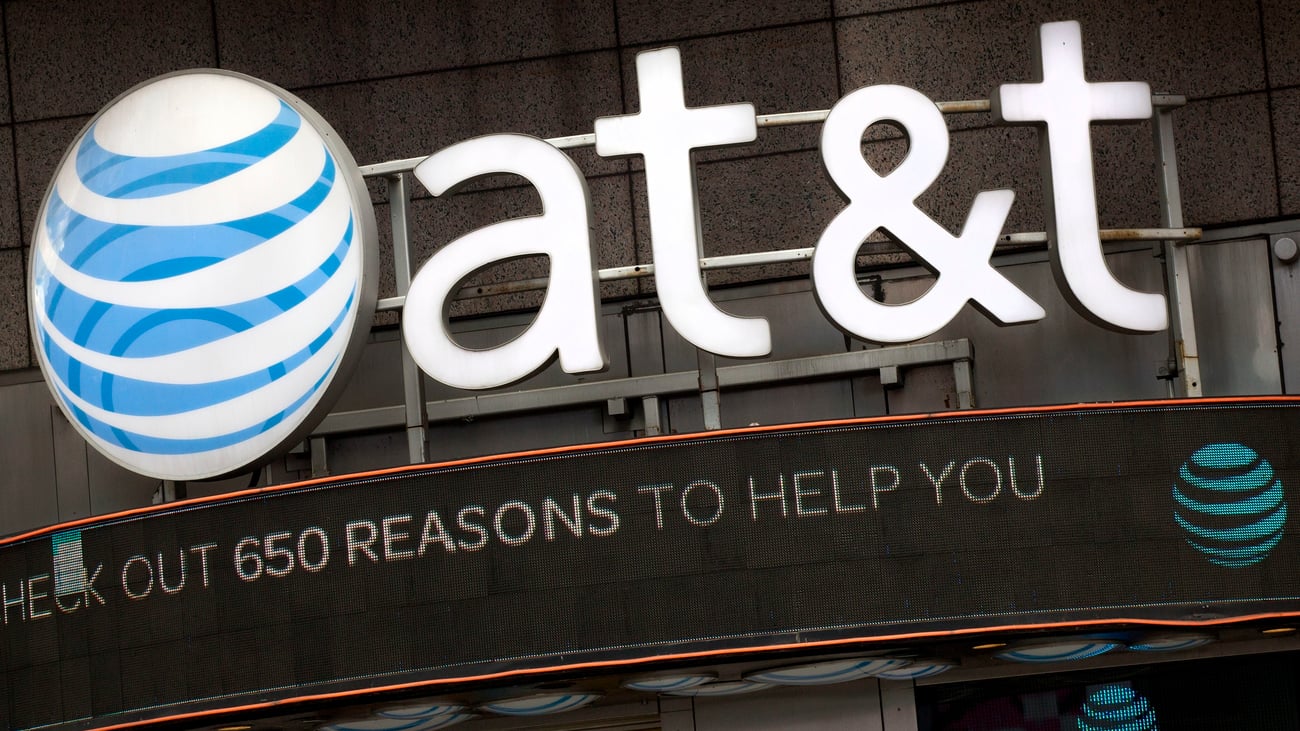
WASHINGTON (CN) — Ruling against wireless giants, the Supreme Court handed the Federal Communications Commission a win on Thursday, backing a key enforcement tool for consumer protection rules regulating the airwaves.
AT&T and Verizon claimed the agency had created a “penalty-now-trial-later” system that required companies to pay fines before charges were adjudicated in federal court. But the justices ruled such orders from the FCC were not legally binding.
“The orders at issue did not settle the carriers’ legal obligations because, stated simply, they did not create an obligation to pay,” Chief Justice John Roberts, a George W. Bush appointee, wrote in the court’s opinion. “And the orders did not reflect the ultimate determination of any fact because, before the carriers could have been made to pay, the government was required to prove its case to a jury.”
Justice Clarence Thomas, a George H.W. Bush appointee, issued a solo dissent, arguing the carriers were under the impression that the fines were mandatory and that refusing to pay deprived them of future litigation availability.
“Today, the court punishes AT&T and Verizon for complying with a government order that they in good faith believed was obligatory, diligently preserving their objection to that order and then litigating that objection so effectively as to cause the government to change its position years later,” Thomas wrote.
AT&T and Verizon collectively face over $100 million in penalties for selling customers’ data to a third party offering a location-finding service to law enforcement officials. The carriers sought the high court’s help in nullifying those fines by challenging the FCC’s authority to issue such orders.
Six decades ago, Congress amended the Communications Act to authorize the FCC to seek monetary forfeitures for certain violations. First, the commission issues a notice of liability, giving the recipient an opportunity to respond. Then, the agency issues a forfeiture order.
AT&T and Verizon said the scheme included the same Seventh Amendment violation as the Security and Exchange Commission’s penalty procedures, which the justices found unlawful two years ago.
But the FCC framed forfeiture orders as no more than a regulatory prerequisite. The justices seemed to agree during oral arguments in April, comparing the orders to traffic tickets or criminal indictments.
Thursday’s rulings repeated such comparisons. Roberts described the orders as analogous to a right-to-sue letter or exhaustion requirement, stating that they were a prerequisite to a lawsuit from the Justice Department because the government itself was powerless to collect any fines before proving its case before a jury.
AT&T and Verizon also argued forfeiture orders cause reputation and practical harms. Roberts said such concerns applied to any legal proceeding.
“The filing of a complaint may trigger negative press,” Roberts wrote. “So too may the filing of an indictment against a criminal defendant. And plaintiffs or prosecutors might dismiss the complaint or indictment before the case proceeds to a trial. Yet this has never been thought to pose a Seventh Amendment problem.”
Roberts declined to express a view on AT&T and Verizon’s argument that they were misled into paying regardless, creating an opening for the carriers to seek relief such as a refund from a lower court.
But Thomas cited those arguments as a reason the court should have stayed its hand. He said they should have allowed AT&T and Verizon the opportunity to proceed under the correct understanding of the law.
“Regardless of what the commission will do in the future, or what the court believes it should have done all along, we granted certiorari in cases arising from two orders that the commission addressed to AT&T and Verizon in 2024,” Thomas wrote. “At that time, neither the commission nor the courts complied with the limits that the court describes today.”
 Follow @KelseyReichmann
 Follow @kelseyreichmann.bsky.social
Subscribe to our free newsletters
Our weekly newsletter Closing Arguments offers the latest about ongoing trials, major litigation and rulings in courthouses around the U.S. and the world, while the monthly Under the Lights dishes the legal dirt from Hollywood, sports, Big Tech and the arts.
Additional Reads
 House Democrat moves to block Trump IRS settlement June 4, 2026