Search Articles


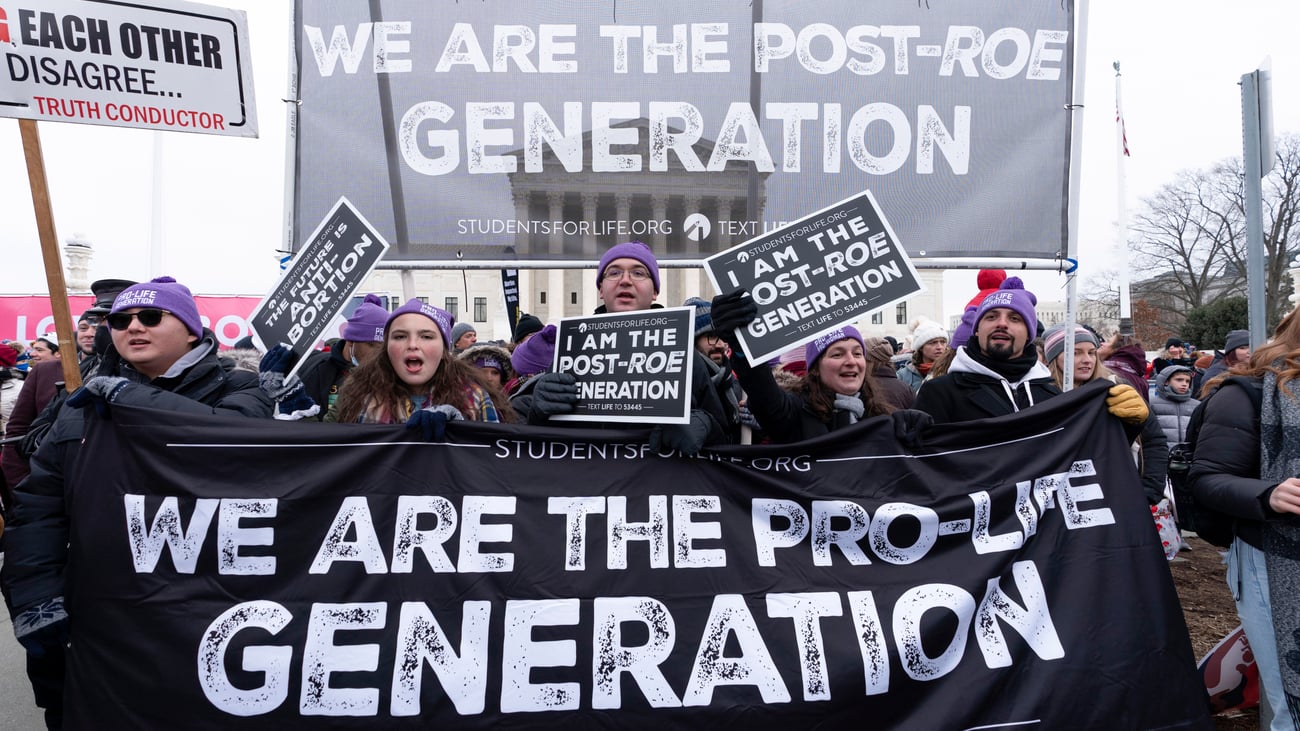
WASHINGTON (CN) — The Supreme Court on Wednesday found a Democratic state attorney general’s request for a crisis pregnancy center’s donor list had a chilling effect worthy of federal court review.
Unlike grand jury or court-ordered subpoenas, then-New Jersey Attorney General Matt Platkin issued an administrative subpoena to First Choice Women’s Resource Centers in 2023 as part of an investigation into deceptive or unlawful conduct. The state suspected First Choice, which operates faith-based pregnancy centers, misled potential donors and clients into believing it was providing reproductive healthcare like abortion services.
New Jersey says administrative subpoenas are not self-executing, meaning they do not take effect without a state court order. However, before a New Jersey court could issue such an order requiring First Choice to disclose its donor information, the center sued the state in federal court.
First Choice’s complaint was initially dismissed for lacking a claim the court could decide or any injury suffered from the subpoena. A divided panel of the Third Circuit Court of Appeals agreed.
But the Supreme Court disagreed, finding First Choice has established a present injury to its First Amendment rights by association.
“An injury in fact arises when a defendant burdens a plaintiff’s constitutional rights, and government demands for a charity’s private donor information have just that effect,” Justice Neil Gorsuch wrote in the unanimous opinion.
“Such demands inevitably discourage association with groups engaged in protected First Amendment advocacy and encourage groups to cease or modify protected advocacy the government disfavors. All this occurs not just when a demand is enforced but when it is made and for as long as it remains outstanding,” the Donald Trump appointee added.
An official demand for private donor information may discourage association with First Choice and groups from expressing dissident views, burdening the group’s associational rights and ability to interact with its donors, Gorsuch wrote.
It would make no difference if the state decided to issue a protective order requiring any documents First Choice produced to be kept confidential, Gorsuch added.
First Choice Executive Director Aimee Huber said in response to the ruling: “For more than two years, Attorney General Platkin targeted First Choice with aggressive demands for sensitive documents, including our donors’ identities. He has gone to great lengths to frustrate the important work we do — work that has made a tangible, life-saving difference for tens of thousands of New Jersey women and their children."
“As the Supreme Court recognized, the government can’t evade federal court review when it harasses those who support pro-life ministries just because it disagrees with their message and their mission,” Huber added.
Current New Jersey Attorney General Jennifer Davenport said in a statement, “Today’s procedural decision holds only that First Choice can pursue its challenge to our subpoena, not that its challenge should prevail.”
“New Jersey law makes clear that nonprofits cannot deceive or defraud New Jerseyans, and we regularly exercise our traditional investigative authority to ensure they are not doing so — regardless of the particular services they provide. We look forward to defending our subpoena in court. We will continue to enforce our fraud laws without fear or favor,” Davenport added.
The complex procedural issue was argued before the Supreme Court in December 2025, asking the justices whether First Choice’s case could proceed in federal court before the administrative subpoena had been reviewed by the state court.
Erin Hawley, arguing for First Choice from the Alliance for Defending Freedom, said the subpoena was driven by the New Jersey attorney general’s hostility to the group and its mission. Hawley, whose husband is Missouri Senator Josh Hawley, argued the First Amendment threat discouraged donors from supporting the faith-based nonprofit.
But New Jersey’s attorney general warned the high court against opening the floodgates to allow all administrative subpoenas to be challenged in federal court. Similar subpoenas are issued by other states, local officials and the federal government.
Several groups intervened in the case, including the federal government, which advocated for allowing challenges to state subpoenas like First Choice’s before any final agency action requirements.
Even groups like the American Civil Liberties Union agreed and expressed concern over government actors abusing subpoenas and other investigatory tactics to silence disfavored speech across the political spectrum.
 Follow @KelseyReichmann
 Follow @kelseyreichmann.bsky.social
Subscribe to our free newsletters
Our weekly newsletter Closing Arguments offers the latest about ongoing trials, major litigation and rulings in courthouses around the U.S. and the world, while the monthly Under the Lights dishes the legal dirt from Hollywood, sports, Big Tech and the arts.