Search Articles


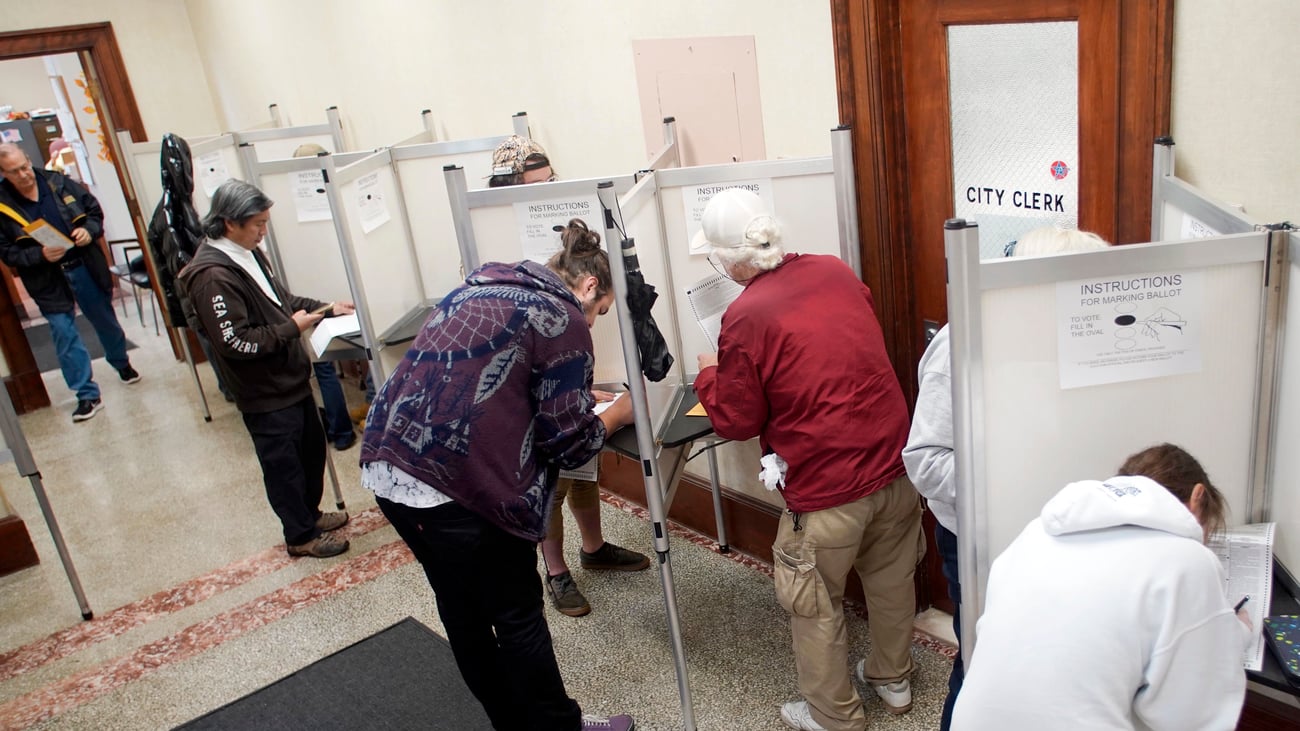
BOSTON (CN) — A proposed ballot initiative that would create a “jungle primary” in Massachusetts violates the state constitution, a group of voters told the state’s high court Monday, but the justices didn’t seem to think so.
“The constitution doesn’t require us to follow longstanding tradition,” said Justice Dalila Wendlandt. The voters are claiming “that the constitution has enshrined the current way we do elections and primaries, and I’m pushing back on that.”
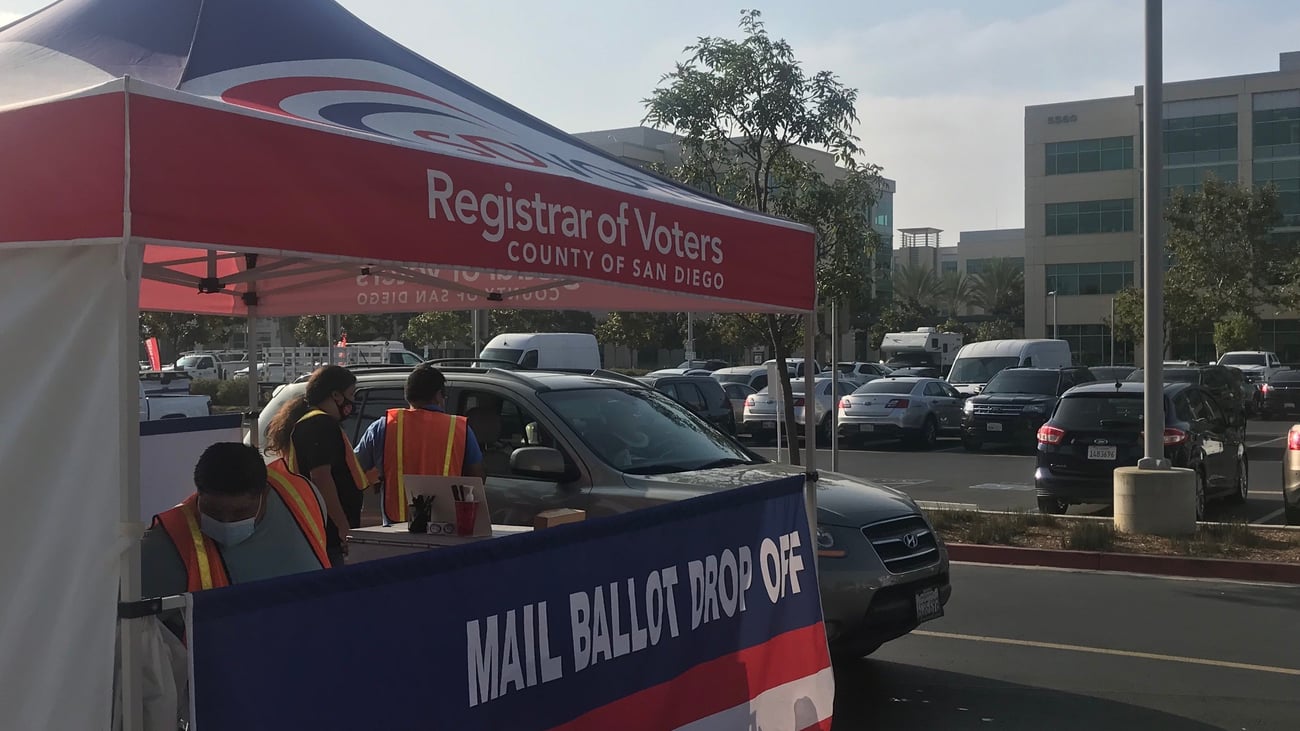
In a jungle primary, all candidates for a given office appear on a primary election ballot regardless of party. If one candidate gets more than 50% of the vote, he or she is elected. If not, then the top two vote-getters — and only the top two — appear on the general election ballot, regardless of their party affiliation.
Jungle primaries currently exist in California and Washington. Alaska has a similar system where the top four candidates advance to the general election.
For Massachusetts, it would be “a radical change,” Justice Serge Georges commented.
The U.S. Supreme Court upheld jungle primaries under the U.S. Constitution in 2008. But the voters here claim the idea violates the Massachusetts Constitution, which guarantees candidates’ right to seek elected office and citizens’ right to vote for the candidate of their choice.
The state attorney general certified the question as a ballot initiative to go before voters in the fall, but the plaintiffs are trying to keep the change off the ballot.
Interestingly, the attorney general rejected a similar version of the initiative that strictly limited the general election ballot to the top two candidates, but approved the current version in which the general election ballot contains the top two candidates plus a line for a write-in candidate. According to the attorney general, the write-in option preserves the constitutional right to vote for someone else.
But the voters say this isn’t good enough because write-in candidates don’t “appear” on the ballot.
Jungle primaries have become controversial lately because of the gubernatorial race in California, where the large number of Democratic candidates in the June 2 primary could split the vote in the heavily blue state and allow two Republicans to advance to the general election.
Justice Scott Kafker thought the jungle system made sense. “The people with the most votes and the most interest get put on the ballot regardless of party. Isn’t that the most equal?”
The plaintiffs’ lawyer, Andrew London of Foley Hoag in Boston, said the system interfered with electoral freedom.
“But everyone can enter, so they’re free,” Kafker said. “We’re just taking the freedom and equality and making it earlier.”
“Where’s the constitutional injury?” asked Georges. “What constitutionally requires more than two candidates? If they’re all there in the primary, everyone has a right to choose.”
London said that for candidates, “now you have a choice, you can go straight to the general election or you can try to win a primary. This eliminates the choice.”
But Justice Gabrielle Wolohojian was unimpressed. “Why isn’t this something that just alters the mechanism of an election?” she asked. “Freedom has always been subject to mechanical rules … I have a hard time seeing how this proposal is anything but that.”
Arguing for the attorney general, Anne Sterman said that the state constitution “guarantees access to the ballot. It doesn’t guarantee access to the primary versus the general.” She said the proposed law reflects electoral equality because it “treats every candidate the same.”
Once it became clear that the court was leaning toward approving the ballot question, however, Georges began reflecting on the practical implications as opposed to the legal arguments.
“Let’s talk real,” he said. “Isn’t this a big deal? Isn’t this not just a mechanical change, but a radical change?” Georges said that in a heavily Democratic state, it would often be impossible for a Republican to get onto the general election ballot.
“In the real world, we’re not going to see a two-party system here in Massachusetts," he suggested. “Isn’t this a severe burden?”
Subscribe to our free newsletters
Our weekly newsletter Closing Arguments offers the latest about ongoing trials, major litigation and rulings in courthouses around the U.S. and the world, while the monthly Under the Lights dishes the legal dirt from Hollywood, sports, Big Tech and the arts.