Search Articles


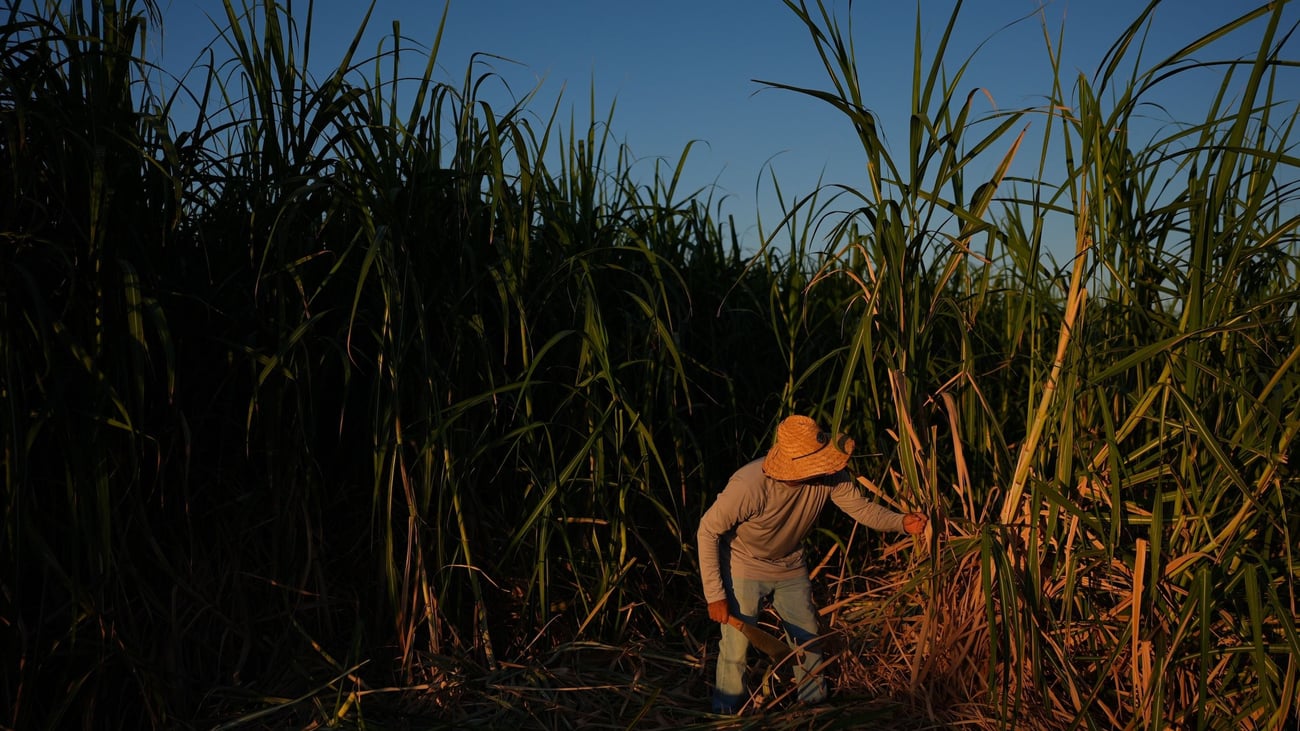
(CN) — A federal judge denied Thursday a motion by farm workers to issue a preliminary injunction that would have blocked a new Trump administration policy that lowered the minimum wage for foreign-born seasonal workers.
In the ruling, U.S. District Judge Kirk Sherriff, a Joe Biden appointee, found that the seven named plaintiffs, all U.S. citizens, as well as members of the United Farm Workers, had not shown that they were likely to have their pay cut due to the new rule.
There were more than 350,000 farmworkers in the U.S. under the H-2A visa program last year, according to the Economic Policy Institute, a left-leaning, pro-union think tank. Those temporary, seasonal, foreign-born workers are paid according to an “adverse effect wage rate,” a state- or region-specific minimum wage rate that only applies to H-2A visa holders, set by the Department of Labor. In theory, the adverse effect wage rate is not supposed to undercut the wages of domestic farm workers.
In October, the Department of Labor changed the way the adverse effect wage rate is calculated, without notice or comment. Among other things, the new formula took into account what the department called a “disparity in compensation between U.S. workers and H-2A workers, the latter of whom receive non-wage compensation in the form of employer-provided lodging.” The new formula, it said, was “more reflective of the market-based wages being paid to U.S. workers similarly employed.”
Several farm workers disagreed. In their complaint, one of the workers, Jose Cruz, said the adverse effect wage rate was 21% less than his last hourly rate — although, as the judge noted, Cruz did “not identify any actual reduction in his hourly wage rate since” the new rules went into effect.
The other named plaintiffs made similar claims. Claudia Garcia, who has picked and packed lettuce for the last 25 years, said the new wages were 17% less than her last hourly rate, though her wages have not actually gone down since October. Crisanto Serrano, who has worked in the fields for 45 years, said he “anticipates” his wages will be cut but did not identify an actual pay reduction. Only one of the plaintiffs, Isabel Panfilo, a 23-year-old U.S. citizen who harvests strawberries in Ventura County, said in a declaration that her pay was reduced, from nearly $20 an hour in 2025 to $16.90 an hour — 45 cents above the new adverse effect wage rate.
According to UFW President Teresa Romero, employers have revealed to the union that they plan on hiring H-2A workers at the lowered rate.
“This will impact UFW members who are both H-2A workers and U.S. workers in corresponding employment when those jobs actually begin,” she wrote in her declaration. The plaintiffs noted that “many farmworkers live at or below the poverty line.”
The plaintiffs asked for a temporary injunction, blocking the new minimum wage for the time being. But Sherriff declined, in part because he found the evidence presented by the named plaintiffs to be a bit thin.
“The declarants each identify their last hourly wage rate, but without identifying when they received that wage and completed the work,” he wrote. “As to most of the declarants … it is unclear whether they were employed as farmworkers at the time of executing their declarations, as they reference only past wages and do not identify any current hourly wage rate they were earning.”
Sherriff added: “These plaintiffs have not shown that they are likely to be employed in the same positions in the future or that they will likely receive a wage reduction for such work.”
The judge also pointed out that while the new wage rules were issued in October, the plaintiffs waited nearly three months to file a motion for a preliminary injunction. “The delay in seeking injunctive relief also weighs against finding irreparable harm,” wrote the judge.
The ruling leaves the new wage structure in place, but the lawsuit remains active and can proceed to discovery.
 Follow @hillelaron
Subscribe to our free newsletters
Our weekly newsletter Closing Arguments offers the latest about ongoing trials, major litigation and rulings in courthouses around the U.S. and the world, while the monthly Under the Lights dishes the legal dirt from Hollywood, sports, Big Tech and the arts.