Search Articles


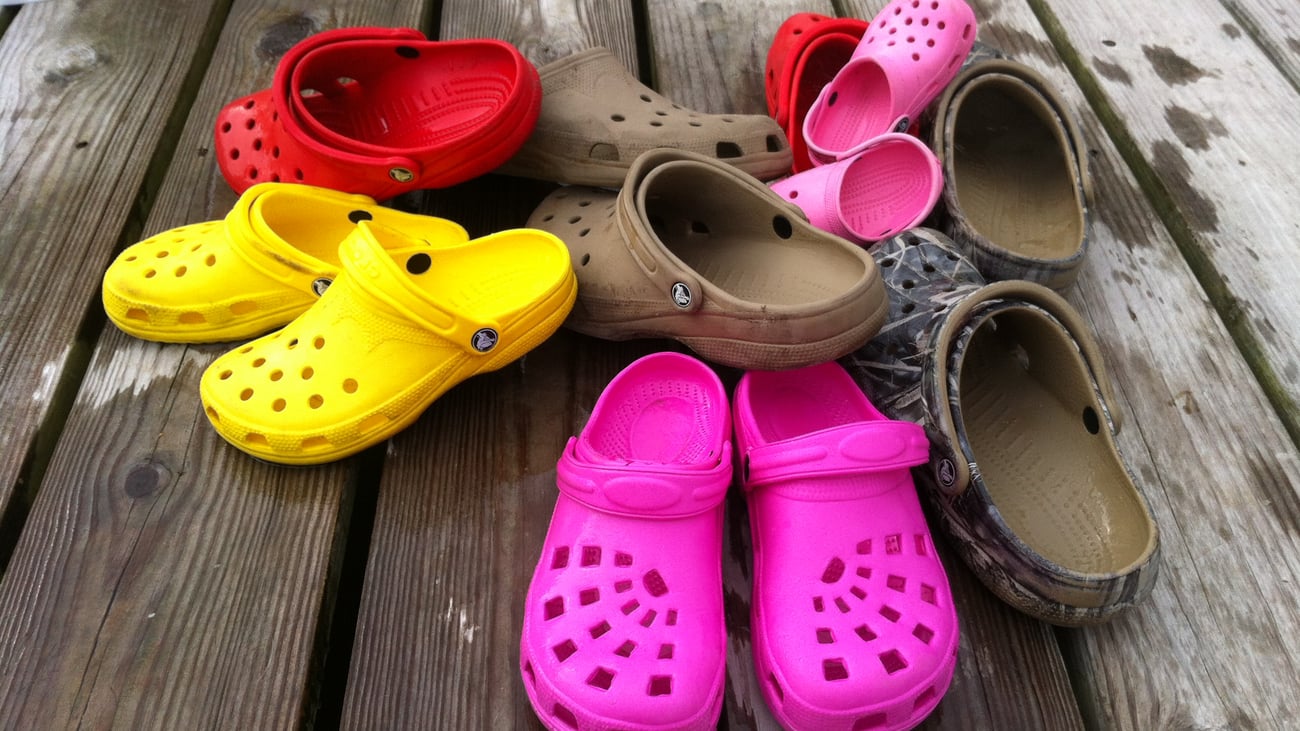
SAN FRANCISCO (CN) — Crocs asked a federal judge Tuesday to dismiss claims that certain models of its shoes shrink considerably when exposed to heat or sunny weather.
“Plaintiffs rely on just the shoe size representation. The shoe size is accurate at the time of purchase. This is not false advertising or fraud-based claims. We ask that your honor dismiss them with prejudice; they’ve had three chances, and let’s move forward with what this is really about, which is implied warranty,” Crocs attorney Becca Wahlquist with Kelley Drye & Warren told U.S. District Judge Trina Thompson at a hearing Tuesday.
In their class action filed in December 2024, the plaintiffs claim they purchased the shoes to use in warm, sunny weather or at the beach but that the footwear shrank to the point of being unusable after being worn. They say they relied upon advertising from Crocs showing people wearing the shoes at the beach or engaging in warm-weather activities, and they would have paid less for the shoes had they known they could shrink.
The plaintiffs claim fraud, deceit and/or misrepresentation, violation of the Consumer Legal Remedies Act, false advertising, negligent misrepresentation, unfair, unlawful and deceptive trade practices, breach of express and implied warranties and violation of the Magnuson-Moss Warranty Act.
In June 2025, Thompson, a Joe Biden appointee, granted Crocs’ motion to dismiss plaintiffs’ express warranty and fraud-based claims in part. In January, the judge threw out plaintiffs’ express warranty claims with prejudice, in addition to tossing plaintiffs’ fraud-based claims without prejudice.
At Tuesday’s hearing, Wahlquist argued the plaintiffs did not remedy the issues Thompson noted in dismissing the first amended complaint, as they had not sufficiently provided evidence on “how” the size representation is misleading.
“The plaintiffs are asking you to reverse yourself from prior findings on what would need to be in a complaint to survive on these fraud-based actions,” she said.
“The allegation there could be a future issue if [the shoe] is mistreated — it doesn’t happen when you’re wearing shoes, but could happen if you leave it in heat or sunlight — we’re talking about future events. The case law you relied on said that future events don’t constitute fraudulent shoe size. The only thing they are basing their claims on is that shoe size.”
Wahlquist additionally argued the shoes were never marketed as unshrinkable and were never shown in advertisements in extreme heat settings, adding that Crocs “strongly contests” that its shoes don’t hold up to ordinary use.
She further noted the plaintiffs had had multiple years’ worth of discovery on the issue through related cases, but still can’t meet the burden of false advertising, misrepresentation and fraud
“It’s time to dismiss those, again, for the same reasons as before, but now with prejudice,” she said.
In contrast, class attorney Anthony J. Patek of Gutride Safier said there was no dispute that Crocs shrink when exposed to hot temperatures and that the company knew its shoes would shrink, as evidenced by warnings on its website advising that shoes not be stored in extreme heat, but did not do enough to educate potential customers.
“They made an effort to warn people, just not before they purchased the shoes,” he said.
Patek highlighted a handful of advertisements depicting Crocs in the sand or by the pool, saying the company should have tried to communicate to customers that they should not leave Crocs out unintended so they don’t shrink. Ultimately, Patek said the plaintiffs want the company to provide a disclosure in shoeboxes on the effects extreme heat has on the product.
“The analogy is like a TV ad where someone is doing something crazy in a car, and there is wording that this is a closed course, don’t do this,” he said.
“For shoes?” Thompson retorted.
“The hanging tag has other information; why not add this?” Patek volleyed back. “Why is that so, so burdensome?”
Thompson did not indicate when she would ruler, but did specify that plaintiffs’ implied warranty claims would survive dismissal.
Representatives for both parties declined to comment.
 Follow @mhattridge_
Subscribe to our free newsletters
Our weekly newsletter Closing Arguments offers the latest about ongoing trials, major litigation and rulings in courthouses around the U.S. and the world, while the monthly Under the Lights dishes the legal dirt from Hollywood, sports, Big Tech and the arts.
Additional Reads


 Judge orders trial for Meta over social media harms June 30, 2026