
 Search Articles


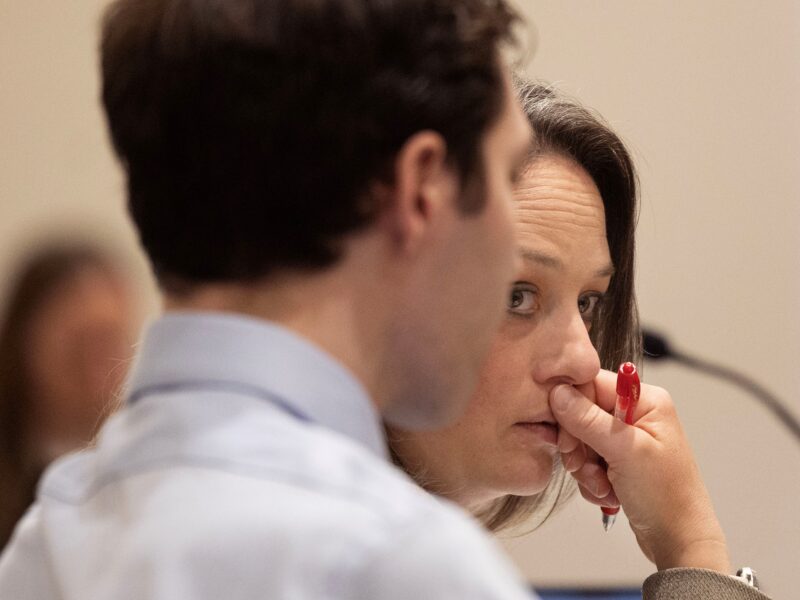
(CN) — The Utah judge in the Charlie Kirk murder case ruled Friday to open previously sealed court documents, finding against defense arguments that they would prejudice the accused shooter in the public eye.
Tyler Robinson, facing the death penalty if convicted of Kirk’s slaying, sought to keep certain motions private. He argued they contain information that would only reemphasize accusations and taint a jury pool.
Fourth District Judge Tony Graf Jr. disagreed, finding many of the claims already exist in the public sphere. However, he gave Robinson’s defense team the option to file a redacted version of one motion.
The Friday hearing on the issue came before a planned April 17 evidentiary hearing.
“The presumption is it will be open,” Graf said of the April 17 hearing, adding he could close portions of it, if needed.
Robinson’s case has drawn intense public scrutiny since the Sept. 10, 2025, shooting death of Kirk at a Utah Valley University outdoor rally. Kirk was a cofounder of Turning Point USA and a national figure in conservative politics.
Attorneys for Robinson argued Friday that media stemming from the shooting, and Robinson’s court proceedings, has flooded the public. Attorney Staci Visser, who represents Robinson, said making certain evidence public could sway potential juror opinions in either direction, but never gave specifics on what should be excluded.
“Whatever it is, it makes it harder to find impartial jurors,” she said, adding later: “We’re not trying to try this case in the public.”
Also representing Robinson, attorney Michael Burt said certain categories of information warranted privacy from public eyes, like confessions and statements from people including President Donald Trump.
Trump once called Kirk’s shooter an animal. Prosecutors have also said that Robinson confessed or implied his involvement in the shooting to a family member. Additionally, they claim Robinson texted his roommate after the shooting, telling them the location of a note. In it, Robinson supposedly wrote that he had an opportunity to “take out” Kirk and planned to do so.
“We have that type of pretrial publicity in this case,” Burt said, adding later: “That evidence has been reamplified, commented upon.”
Attorney Christopher Ballard, a prosecutor with the Utah County Attorney’s Office, said the process of jury selection can solve Robinson’s issues about tainting the jury pool. Graf can expand the pool’s size and have detailed questionnaires. Also, attorneys can pose specific questions to potential jurors before a jury is seated.
However, Ballard said he agreed with Robinson’s request to close the hearing in two areas: during discussion of media violating the judge’s decorum orders, and over personal safety concerns. Otherwise, the April 17 hearing should remain open.
Representing several media outlets, attorney Michael Judd echoed Ballard. He argued the upcoming hearing should remain open, though if the judge were to close it, only portions should be behind closed doors.
Judd also argued that Robinson failed to point to specific information about what should remain sealed.
“We don’t know what the ask is,” he added.
Issuing his ruling, Graf then pivoted to the timeline for Robinson’s preliminary hearing.
Attorney Richard Novak, representing Robinson, said he’s waiting for discovery — evidence the prosecution must provide. Without key pieces of that discovery, he fears the legal team needs to postpone the May preliminary hearing.
“It’s not little, tiny pieces of witness statements here and there,” he said, adding: “Our experts can’t advise us on the data if we don’t have the data.”
Chief Deputy County Attorney Chad Grunander said he’s recently spoken with federal authorities about providing the necessary discovery. He’s emphasized the need for them to move quickly.
“We are candidly still waiting for some information,” he added.
Subscribe to our free newsletters
Our weekly newsletter Closing Arguments offers the latest about ongoing trials, major litigation and rulings in courthouses around the U.S. and the world, while the monthly Under the Lights dishes the legal dirt from Hollywood, sports, Big Tech and the arts.