
 Search Articles


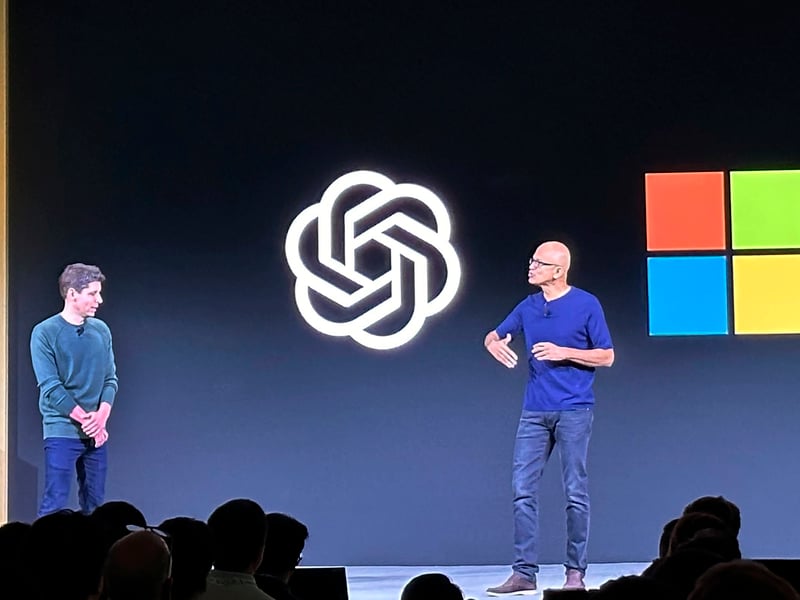
OAKLAND, Calif. (CN) — A federal judge has again tossed many of the claims remaining in a suit against GitHub claiming that it committed digital piracy by reproducing anonymous writers’ code with its coding assistant CoPilot.
U.S. District Judge Jon Tigar on Monday dismissed with prejudice claims for damages, finding several anonymous code writers lacked Article III standing. He also tossed state law claims of intentional and negligent interference with prospective economic relations, unjust enrichment, negligence and unfair competition.
That means GitHub and other software development companies have largely dodged claims by anonymous code writers that their coding assistant violated open source licenses protecting their work. The 2021 lawsuit against Microsoft, GitHub and OpenAI questions whether the AI-powered coding assistant GitHub CoPilot relies on “software piracy on an unprecedented scale.”
CoPilot, which GitHub unveiled in 2021, is trained on public repositories of code scraped from the web. It uses artificial intelligence to absorb all of the code in GitHub, and some code has been published using licenses requiring anyone reusing the code to credit the creators. Because the tool sometimes produces strings of licensed code without providing credit, the plaintiffs want penalties in excess of $9 billion.
Tigar ruled in a 17-page order that he agreed with GitHub that the plaintiffs’ state law claims are preempted by Section 301 of the Copyright Act, saying the plaintiffs do not appear to dispute that the “subject matter” of their claims falls within the subject matter of copyright.
“Plaintiffs’ claims principally concern the unauthorized reproduction of their code to prepare derivative works — not the unlawful use of an end-product or output, which is preempted by the Copyright Act as is the negligence claim,” Tigar said. “Plaintiffs’ unfair competition claim is dismissed to the extent it is predicated on their state law claims for intentional and negligent interference with prospective economic relations, unjust enrichment, and negligence.”
The judge also said he agreed with GitHub that because the plaintiffs’ new complaint said that output from Copilot is often a modification of their licensed works rather than an “identical copy,” they have “effectively pleaded themselves out" of their Digital Millennium Copyright Act claims.
“Notably, the parties did not dispute that the defendants reproduced an identical copy of the plaintiff’s file,” Tigar said. However, he said that while it is unlikely the plaintiffs could cure deficiencies with new facts, he would grant leave for them to amend the dismissed claims under the Digital Millennium Copyright Act “out of abundance of caution.”
He said that two of the plaintiffs failed to establish standing to seek retrospective relief for money damages because they did not adequately claim to have suffered the injury which they described. As a basis for standing, the plaintiffs claimed that they had to incur costly and burdensome measures to keep their communications confidential.
However, the judge said that three other plaintiffs did properly establish standing for monetary damages under Article III and let those claims proceed.
Attorneys for both sides did not respond to requests for comment by press time.
GitHub had argued the plaintiffs failed to prove injury or make a viable claim for damages. It said that CoPilot helps developers write code by generating suggestions based on what it has learned from the entire body of knowledge gleaned from public code.
In May, the judge tossed many claims against GitHub and the other companies, dismissing with prejudice claims of civil conspiracy and declaratory relief. He advanced the plaintiffs’ claims for breach of license and injury to property rights and allowed them to take another crack at their copyright preemption claim.
 Follow @nhanson_reports
Subscribe to our free newsletters
Our weekly newsletter Closing Arguments offers the latest about ongoing trials, major litigation and rulings in courthouses around the U.S. and the world, while the monthly Under the Lights dishes the legal dirt from Hollywood, sports, Big Tech and the arts.