
 Search Articles


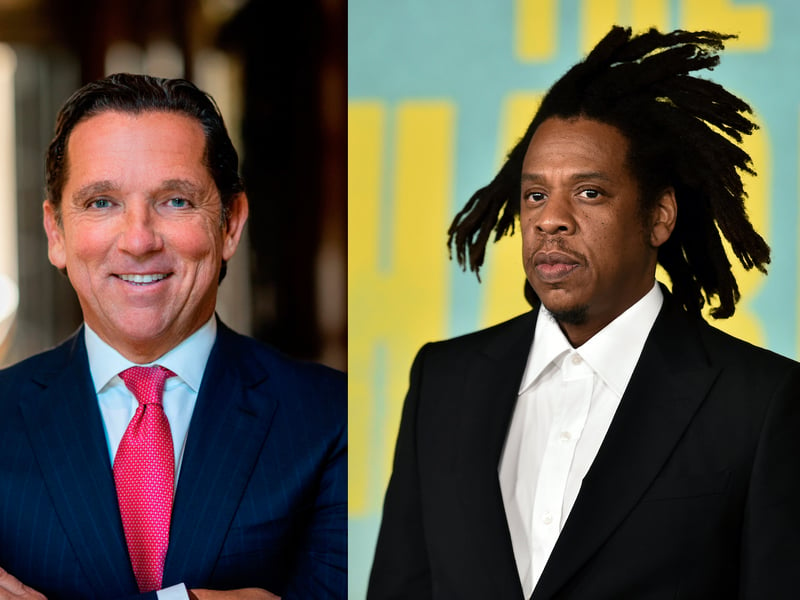
LOS ANGELES (CN) — After months of hand-wringing, a Superior Court judge has dismissed Jay-Z’s extortion and defamation lawsuit against Houston-based attorney Tony Buzbee on First Amendment grounds.
The legal fracas between the “99 Problems” rapper and Buzbee stems from the ever-widening scandal involving Sean Combs, otherwise known as Diddy, who has been charged by federal prosecutors with racketeering, sex trafficking, and transportation to engage in prostitution. A jury in New York is currently deliberating those accusations, which revolve around drug-fueled parties known as “freak offs.” Buzbee represented dozens of men and women suing Combs, as well as a handful of the Bad Boy CEO’s associates.
In November 2024, Buzbee sent Jay-Z’s lawyers two demand letters, accusing the hip hop star of raping two minors decades ago. The letters gave Jay-Z, whose real name is Shawn Carter, a choice: attend a confidential mediation session where “something of substance” would be given to the survivors, or face a lawsuit.
Carter declined the mediation offer, and one of Buzbee’s unnamed clients sued — though the other did not. Her complaint, filed in federal court in New York, claimed that both Combs and Carter raped her when she was a minor at an MTV Video Music Awards afterparty in 2000. But the woman agreed to drop her lawsuit two months later.
Carter then sued Buzbee for extortion based on the demand letters, as well as defamation based on six interviews Buzbee had given to various media outlets, in which the lawyer suggested he would be going after others who attended the “freak offs.” One last count of defamation was based on Buzbee “liking” a post on the social media site X speculating about Carter’s involvement in the burgeoning scandal.
Buzbee filed an anti-SLAPP motion, a legal maneuver used to quickly dismiss a baseless lawsuit aimed at chilling free speech or public participation. The motion was the subject of three lengthy hearings, in which the judge wavered back and forth on a variety of issues, including the admissibility of new evidence: the transcript of a conversation between Carter’s on-again-off-again accuser and a pair of private detectives working, as they said, on “behalf-ish” of the rapper. The woman appeared to admit that Carter had never raped her, and that Buzbee had convinced her to name the first billionaire rapper as a defendant anyway.
On Monday, nearly three months after the final hearing, Superior Court Judge Mark Epstein finally issued his long-awaited 65-page ruling, granting the anti-SLAPP motion and dismissing Carter’s lawsuit.
Epstein wrote that the two demand letters didn’t qualify as extortion because they didn’t threaten Carter with anything more than a lawsuit.
“The mediation request is about the sexual abuse allegations underpinning a potential civil case, and nothing else,” Epstein wrote. “There are no extraneous allegations as to publicizing other unrelated and unsavory things related to Carter and there are no promises to refrain from going to law enforcement if Carter agrees to mediate and does settle.”
He added: “Selling silence as to law enforcement for money is extortion, but there is no promise of silence in the criminal context here. And selling silence for money in the civil context is not extortion; it is a settlement with a non-disclosure element.”
As to the defamation claims, Epstein found that four of them were based on were based on statements that only vaguely alluded to other celebrities that the attorney might be targeting. While Buzbee suggested that there were co-conspirators who were as famous as Combs — if not more so — he didn’t say who any of them were until Carter was publicly named in the lawsuit.
“Those statements did not identify a celebrity of Carter’s stature,” Epstein wrote. “In fact, those statements did not focus on star power celebrities at all. The statements talked about banks or other entities that enabled Diddy as opposed to other celebrities that allegedly engaged in the same behavior.”
Epstein relied on a different rationale to dismiss the the final three defamation counts, which were based on statements to the media, including the ’like,’ that did identify Carter as the accused.
“An average listener would believe that Buzbee’s statements truthfully implicated Carter asa rapist,” Epstein wrote, before adding later that he could not conclude that the statements were made with “actual malice,” a legal standard that most defamation claims are required to meet, meaning that the speaker either knew their statement was false or acted with reckless disregard for the truth.
“At most, Carter’s evidence suggests that Buzbee could have done more, and that had he done so, he might have — or even would have — learned of facts that might have given him pause before accepting Doe’s assertions,” Epstein wrote.
The judge admitted that if he had found the private investigators’ declarations admissible, that likely would have persuaded him to let the final three defamation claims survive. But Epstein decided that neither the declarations, nor the transcript of the conversation, nor the audio of the conversation could be admitted for the purposes of the motion, because the claims about what Buzbee said were hearsay. And while Carter’s lawyers argued that the transcripts qualified for the “statement against interest” exception, Epstein disagreed, finding that the woman’s statements weren’t actually made against her own interests.
“Doe’s interest in the interview was to go along with the suggestions the investigators made,” Epstein wrote. The judge noted that the investigators came to the unnamed plaintiff “unannounced and without warning, obliquely and reluctantly admitting that they were — sort of -— there on Carter’s indirect behalf and with a potential issue of disclosure and litigation looming in the background — or even foreground. The court reads and hears the audio tape in context and puts itself, as it believes it must, in Doe’s shoes and trying to view the situation as she must have viewed it.”
The judge concluded his rather anxious ruling on a humble note, writing: “All of that said (and at length), this court is only the first stop on the parties’ [anti-SLAPP motion] journey. It will be for the Court of Appeal to determine whether the court got it right or wrong, and whether the suit ought to go forward or ought to end. Stay tuned.”
Carter’s attorney, Alex Spiro, has told the media that his client will appeal the ruling.
In an email, Tony Buzbee praised the ruling as “thoughtful and well-reasoned.”
“No matter how Jay Z’s lawyers try to spin it, they lose,” Buzbee said. “Sending a demand letter for an alleged victim isn’t extortion, period.” He added that he would be seeking attorney’s fees from the rapper.
 Follow @hillelaron
Subscribe to our free newsletters
Our weekly newsletter Closing Arguments offers the latest about ongoing trials, major litigation and rulings in courthouses around the U.S. and the world, while the monthly Under the Lights dishes the legal dirt from Hollywood, sports, Big Tech and the arts.