Search Articles


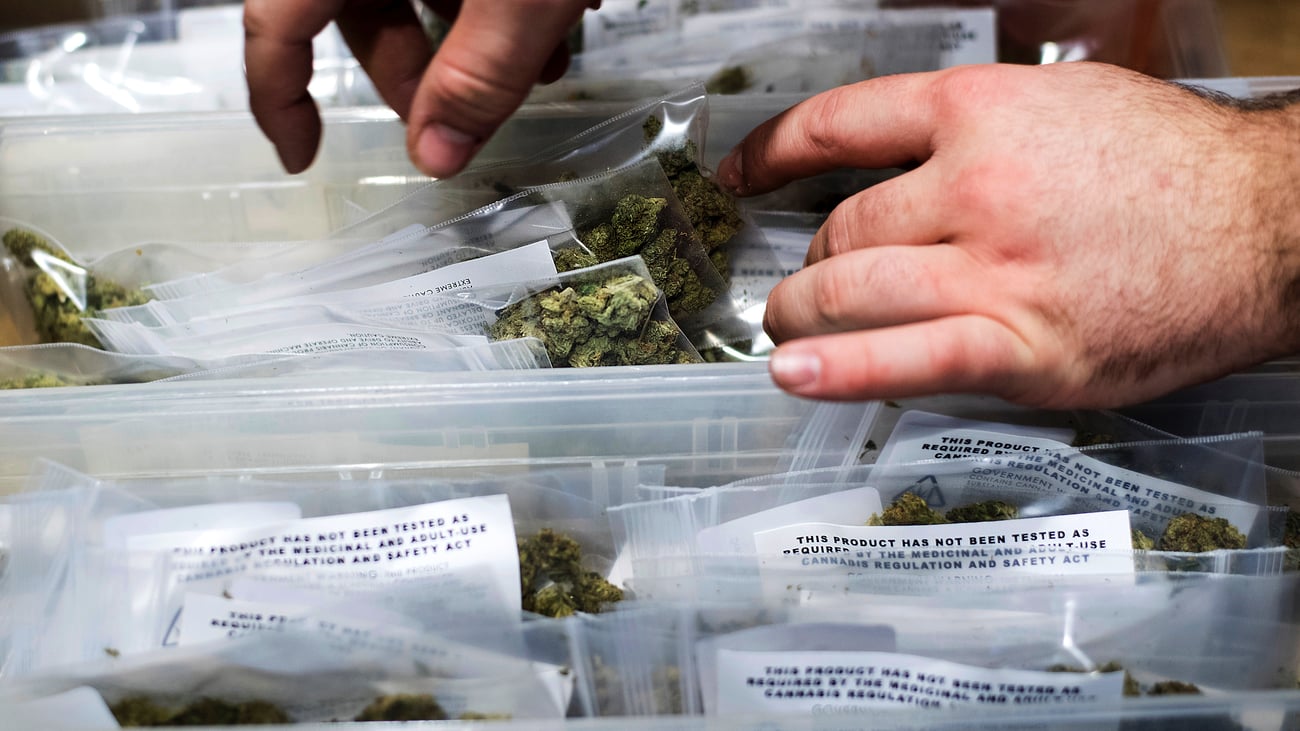
SAN FRANCISCO (CN) — A Superior Court judge tentatively ruled Thursday that recently enacted California legislation reducing funding for programs subsidized by cannabis tax revenue and license fees is constitutional after a group of petitioners sought to void two bills they claim are amendments to Proposition 64 and violate the California Constitution.
San Francisco County Superior Court Judge Harold Kahn sustained a demurrer by state agencies against a petition brought by the nonprofits Youth Transforming Justice, the East Bay Asian Youth Center and two parents who say funding they rely on for childcare will evaporate under Assembly Bill 564 and Senate Bill 141.
Prop 64 is a 2016 voter-approved initiative that created a legalized cannabis market that would fund its own regulation through license fees, a cultivation tax and an excise tax on cannabis purchasers. The recipients of the tax revenue, after covering costs, are broken down into three tiers.
Tier three programs were designed to mitigate the environmental risks of cultivating cannabis, the social risks of making cannabis legally available, including childcare programs, and support law enforcement programs. Tier three programs receive the remaining revenue after the first two tiers are funded by a percentage, with 60% funding youth programs.
“If the legislature is able to amend Prop 64, to do whatever it thinks is appropriate to shore up the legal industry, that would allow them to throw out the regulatory system, throw out the excise tax completely, toss tier three into the dustbin,” said Kahn. “I don’t think that is what is intended by the case law with regard to impermissible scope of the legislative authority.”
In June 2025, the California Legislature adopted SB 141, which shifted funds to cover the cost of illicit cannabis enforcement activities to the Cannabis Tax Fund, which controls the legal cannabis market tax revenue. The petitioners say the move violated Prop 64 and the state could have taken the alternative route of raising license fees.
Additionally, starting in October 2025, Assembly Bill 564 lowered the cannabis excise tax from 19% to 15% until June 30, 2028, ultimately reducing the amount of money funneled to tier three programs.
“The voters allowed the Legislature to direct higher revenue amounts to new or different programs, but not in a way that would erode funding for tier three programs,” the petitioners say in their complaint.
At the demurrer hearing Thursday, California Deputy Attorney General Justin Buller for the Department of Cannabis Control said two of the respondents, the California Department of Tax and Fee Administration and California State Controller Malia Cohen, do not have a specific duty to the declaratory relief petitioners seek, saying the controller’s office only disburses money and doesn’t set the tax rate.
“They play no role with the issues at play,” he told the court.
The petitioners’ attorney Margaret Prinzing took note of the language in Prop 64, saying amendments to the initiative through additional legislation are prohibited. She said it could be up to statutory interpretation of how the tax revenue funds are allocated and who is responsible for the allocation. She asked for further briefing to fully make her arguments.
Kahn agreed with most of the state’s arguments but allowed leave to amend regarding the petitioners’ claim that AB 564 unconstitutionally amends Prop 64.
Subscribe to our free newsletters
Our weekly newsletter Closing Arguments offers the latest about ongoing trials, major litigation and rulings in courthouses around the U.S. and the world, while the monthly Under the Lights dishes the legal dirt from Hollywood, sports, Big Tech and the arts.
Additional Reads
 Idaho logging projects hits new roadblock July 16, 2026
 Shot in the foot July 16, 2026