Search Articles


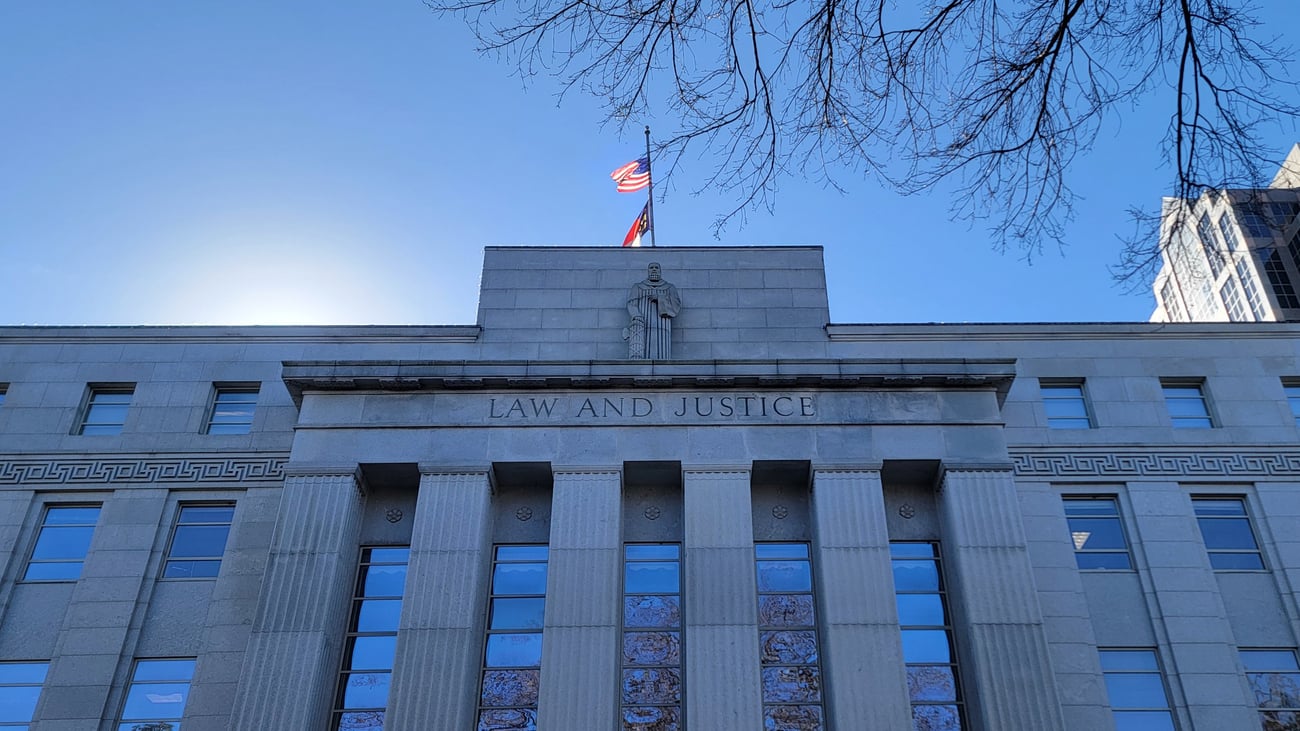
RALEIGH, N.C. (CN) — A federal magistrate judge officially reprimanded a former federal prosecutor Tuesday for an error-filled brief he admitted to using generative artificial intelligence on.
Rudy Renfer had a 30-year career as an attorney, and spent 17 years working in the U.S. Attorney’s Office in the Eastern District of North Carolina before leaving the position in March.
“Renfer’s professional reputation, both locally and nationally, is in tatters,” U.S. Magistrate Judge Robert T. Numbers II wrote in his 18-page admonishment. “In this court, his name will be synonymous with a failure to uphold the basic duties of competence and candor expected of every attorney.”
Numbers said Renfer “intentionally submitted a brief containing false materials to the court.” The judge elected not to impose a fine and added Renfer is being investigated by the Department of Justice’s Office of Professional Responsibility.
“The court also recognizes that Renfer’s conduct cost him his job in the United States Attorney’s Office,” Numbers wrote. “His loss of employment imposes a financial burden well beyond the types of fines courts typically impose in connection with AI-related misdeeds.”
Renfer had served as a lead attorney in a case filed by retired U.S. Air Force Col. Derence V. Fivehouse, a self-represented veteran who sued the U.S. Department of Defense over a change to his government health insurance that excluded coverage of GLP-1 medications.
As the case proceeded, Renfer filed a response brief, claiming a request made by Fivehouse to supplement the case record was based “on speculation rather than evidence.” This filing misquoted a Fourth Circuit case, falsely attributed quotes to other cases and incorrectly described the court’s decision in several cases that he relied upon to support his argument, Numbers said.
Fivehouse pointed out the errors in his reply. Renfer then asked to replace the brief with a substitute document and said he “inadvertently included incorrect citations to case law,” calling it a clerical error and said that a draft was inadvertently filed.
The court ordered Renfer to appear for a show cause hearing and explain why the government should not be sanctioned for the error. Renfer appeared in court in March along with the district’s U.S. Attorney, W. Ellis Boyle, and said under oath that the brief included inaccurate citations that he had not verified before submitting, and said he took “full responsibility” for not verifying the cases cited.
He told the court that he accidentally saved a new file over the original draft of the brief, “panicked,” and used artificial intelligence to catch up. He was juggling several filings at once, he told the court, and believed he had edited the draft for accuracy after using artificial intelligence. Renfer also told Numbers, who presided over that hearing, that he had submitted his resignation.
Boyle told Numbers during the hearing that he had not previously known Renfer used artificial intelligence on the brief. Renfer was reportedly terminated the next day.
“An attorney who outsources core research and writing obligations to generative AI assumes the risk that its output will contain fictitious authority,” Numbers wrote. “That attorney cannot rely on his own lack of diligence to verify the authority in that document to shield himself from the consequences of his actions.”
Renfer did not reply to a request for comment.
In the Western District of North Carolina — one of North Carolina’s three federal courts — attorneys and self-represented filers are required to file a document every time they submit a brief swearing that artificial intelligence was not used for research and that every citation has been confirmed by an attorney or a paralegal. The Eastern District of North Carolina, where this case takes place, does not have a similar requirement.
 Follow @SKHaulenbeek
 Follow @shaulenbeek.bsky.social
Subscribe to our free newsletters
Our weekly newsletter Closing Arguments offers the latest about ongoing trials, major litigation and rulings in courthouses around the U.S. and the world, while the monthly Under the Lights dishes the legal dirt from Hollywood, sports, Big Tech and the arts.
Additional Reads
 Meta beats hate speech suit over role in Myanmar genocide April 28, 2026