
 Search Articles


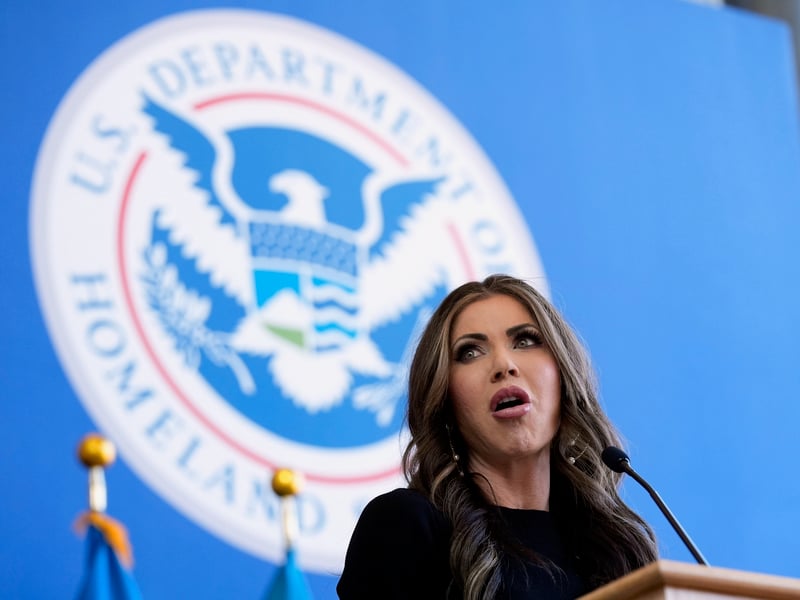
SAN FRANCISCO (CN) — A federal judge approved class certification Thursday for more than 60,000 immigrants from Nepal, Nicaragua and Honduras with temporary protected status who claim that Secretary of Homeland Security Kristi Noem’s recent orders ending the program were unlawful and motivated by racial animus.
U.S. District Judge Trina L. Thompson certified three separate classes that include individuals from Honduras, Nepal and Nicaragua who have been granted TPS and who have not been granted lawful permanent residence.
“Thousands of Nepali nationals in the United States risk losing rights, losing income, losing connections with loved ones, and losing freedom in this country because of the secretary’s decision. The same is true for thousands of Hondurans and thousands of Nicaraguans,” the Joe Biden appointee said in her order.
The TPS program protects individuals from certain countries due to violence or economic duress. While those with TPS status can’t be deported and can work legally in the U.S., they do not have a path to U.S. citizenship.
National TPS Alliance and individual TPS holders from Nepal, Nicaragua and Honduras sued the Trump administration on July 7, claiming Noem’s actions terminating protections for the three countries violated the Administrative Procedure Act and were motivated by racial animus.
On July 31, Thompson postponed the termination of the TPS program for Nepal, Nicaragua and Honduras until Nov. 18. However, a federal appeals court stayed that ruling, greenlighting the Trump administration to go ahead with its termination of TPS status for the three countries while litigation plays out.
Thompson tentatively approved class certification on Sept. 16, but declined to specify the size of the class or who would be included.
In her order granting class certification, Thompson agreed with the plaintiffs’ argument that a nationwide class is appropriate because the case raises a common question and injury.
“Examination of whether the secretary exceeded her authority by terminating the TPS designations for Nepal, Nicaragua, and Honduras will generate a classwide resolution because deprivation of the protections provided by TPS effect ‘all of the class members or … none of them,’” she said.
In crafting the class definitions, Thompson settled some of the government’s concerns by ruling that foreign nationals who are no longer in the United States or are otherwise ineligible for TPS, such as those with a criminal record, were excluded from the class.
“Those foreign nationals who resided outside of the United States during the duration of their country’s TPS designation would not have been a TPS holder and are definitionally excluded from the classes,” she said. “The eligibility requirements for TPS sufficiently limit the scope of the proposed classes to mitigate defendants’ concerns.”
However, Thompson said that individuals who would have otherwise qualified for protected status but didn’t register in time would be included.
“Because late registrants may still ultimately receive the benefits of TPS, even those foreign nationals who fail to timely register for TPS retain a legal interest in the continued TPS designation of their country,” she said.
In a statement to Courthouse News, Lauren Wilfong, an attorney for the plaintiffs from the National Day Laborer Organizing Network, said that they were pleased with the court’s ruling.
“We are pleased the court recognized that all TPS holders from Honduras, Nepal, and Nicaragua are suffering devastating harms as a result of the Trump administration’s unlawful terminations, and that their claims all revolve around a common claim that the Trump administration failed to follow basic rules for reasoned agency decisionmaking when ending lawful status for these long-term residents,” Wilfong said.
A representative for the defense did not immediately respond to a request for comment.
Later Thursday, Thompson also issued a tentative ruling denying the Trump administration’s request to stay the case during the government shutdown. She added that a final order would be released at the beginning of next week.
 Follow @mhattridge_
Subscribe to our free newsletters
Our weekly newsletter Closing Arguments offers the latest about ongoing trials, major litigation and rulings in courthouses around the U.S. and the world, while the monthly Under the Lights dishes the legal dirt from Hollywood, sports, Big Tech and the arts.