
 Search Articles


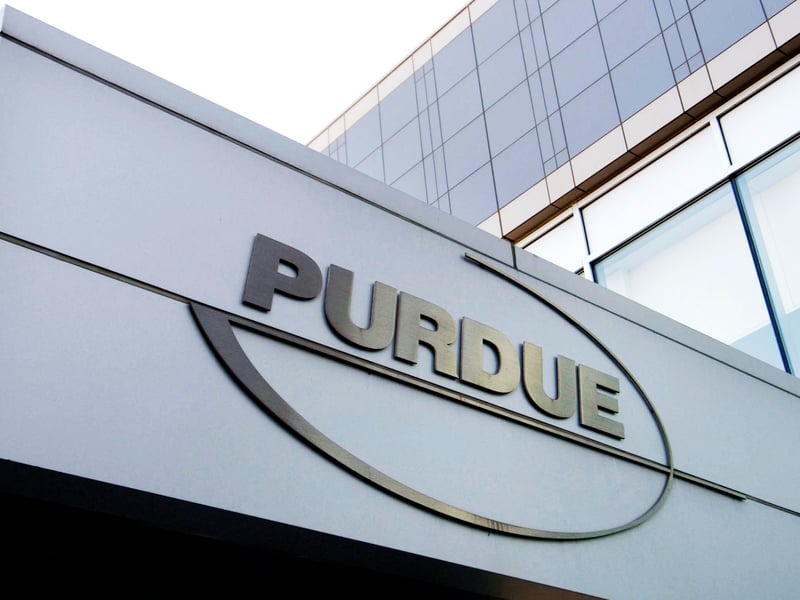
MANHATTAN (CN) — A federal bankruptcy judge on Tuesday formally approved pharmaceutical company Purdue Pharma’s latest plan, worth $7.4 billion, to settle thousands of lawsuits over the company’s role in the nationwide opioid addiction crisis.
U.S. Bankruptcy Judge Sean Lane greenlit the deal from the bench, putting Purdue and the Sackler family, who owns the company, on the hook for the multibillion-dollar settlement to be paid over the next 15 years.
The Sacklers have agreed to relinquish control of the company, though no family member has been paid by the company or served on its board since 2018.
Purdue filed for bankruptcy protection in 2019, facing a flood of lawsuits from state and local governments accusing it of hooking Americans on the company’s flagship opioid OxyContin. They reached a $6 billion settlement deal two years later, but the U.S. Supreme Court blocked it in 2024 since it would have given the Sackler family immunity from future opioid lawsuits.
That stipulation is not featured in the new agreement, which is among the largest settlements with individuals who contributed to the opioid crisis in the U.S. to date. Attorneys general representing all 55 eligible states and U.S. territories agreed to the settlement in June. Around 9,300 local governments opted in as well.
“For decades, the Sacklers ran Purdue with one goal in mind: maximizing profits for their family, no matter the cost,” New York Attorney General Letitia James said. “Purdue was at the very center of the opioid crisis, fueling addictions and overdoses with deceptive marketing and sales tactics. While no amount of money will ever fully reverse the damage they caused, securing this bankruptcy plan brings us one step closer to delivering critical funding to communities impacted by the opioid crisis.”
According to James, the settlement funds will go directly to communities to support opioid addiction treatment, prevention and recovery programs.
Around $850 million will go toward individual victims, including children born with opioid withdrawal. People with addiction and their surviving relatives can prove they were prescribed OxyContin to qualify for payments of between $8,000 and $16,000, set to be distributed next year.
The states claim that, under the Sacklers’ leadership, Purdue for decades misleadingly marketed OxyContin as a cure-all drug with minimal risks, fueling the nationwide opioid epidemic. In New York alone, nine people died of a fatal opioid overdose every day in 2024.
Under the deal, the company will be barred from marketing its opioid products and will get a new name — Knoa Pharma, which will be owned and operated by an independent nonprofit foundation. The new company’s excess revenue will be doled out to state and local governments and the foundation to support opioid abatement, according to James’ office.
The Sacklers cannot be involved in any way. The wealthy family has long been under scrutiny over its role in driving Purdue to aggressively market opioid painkillers, perpetuating a national epidemic that has led to more than 300,000 prescription opioid overdoses.
The family will foot a majority of the settlement — a total of $6.5 billion over 15 years. The payments will be frontloaded with $1.5 billion to be paid out immediately, followed by $500 million after one year, another $500 million after two years and $400 million after three years.
Purdue will pay an additional $900 million up front.
“Today is a landmark day, representing the culmination of a six-year bankruptcy and mediation process,” said Steve Miller, Purdue board chairman. “The plan is the product of intense work with our creditors through a singular, shared focus on delivering as much value as possible to meaningfully address the opioid crisis. We are grateful for the perseverance and herculean efforts of our creditors who worked with us to craft an entirely consensual plan that unlocks billions in recoveries and significant non-monetary benefits.”
 Follow @Uebey
 Follow @uebey.bsky.social
Subscribe to our free newsletters
Our weekly newsletter Closing Arguments offers the latest about ongoing trials, major litigation and rulings in courthouses around the U.S. and the world, while the monthly Under the Lights dishes the legal dirt from Hollywood, sports, Big Tech and the arts.