
 Search Articles


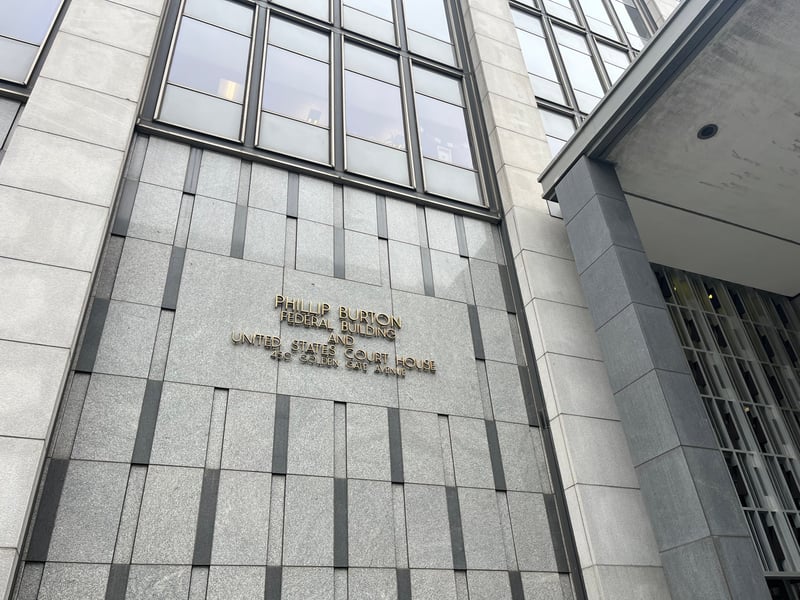
SAN FRANCISCO (CN) — WPEngine, a company that builds tools for web designers and hosts websites built on WordPress, got a partial win Friday against a motion to dismiss its complaint against Automattic, its CEO and WordPress co-founder Matthew Mullenweg.
Mullenweg initially owned the WordPress source code and trademark and now also runs Automattic, which owns and operates several for-profit businesses that operate within the WordPress ecosystem and compete with WPEngine.
In a complaint filed in September 2024, WPEngine claims that Automattic gave WPEngine five hours to pay a multimillion-dollar licensing fee in exchange for using the WordPress trademark. If WPEngine didn’t acquiesce, Mullenweg promised a “scorched earth nuclear approach.”
Shortly after WPEngine rejected the demands, Automattic blocked WPEngine, breaking thousands of its customers’ websites.
WPEngine sued for fraud, attempted extortion and slander, saying it had used the WordPress trademark for 15 years, believing the open-source license allowed it.
U.S. District Judge Araceli Martinez-Olguin, a Joe Biden appointee, denied Automattic and Mullenweg’s bid to strike or dismiss claims including defamation, trade libel, unjust enrichment and intentional interference with contractual and economic relations claims.
She partly granted dismissal of antitrust and one Computer Fraud and Abuse Act claim, both with leave to amend. She also tossed the declaratory relief of trademark misuse claim without prejudice and the attempted extortion claim without leave to amend.
The judge narrowed WPEngine’s promissory estoppel claim, finding only some parts viable, and refused to dismiss certain claims against Automattic, ruling that “the facts are sufficient to plausibly allege Automattic’s liability for Mullenweg’s actions.”
WPEngine has 21 days to file a second amended complaint; however, Martinez-Olguin barred it from adding new allegations or new claims.
In a statement to Courthouse News, a WPEngine spokesperson said that they are “pleased the majority of our claims are moving forward and are confident in the strength of our legal position and ability to succeed at trial.”
A representative for the defense did not immediately respond to a request for comment.
Last December, Martínez-Olguín agreed to WPEngine’s request for a preliminary injunction, stopping WordPress from “blocking, disabling, or interfering with WPEngine’s and/or its employees’, users’, customers’, or partners’ access to wordpress.org,” and halting WordPress’ campaign against WPEngine.
At the preliminary injunction hearing, WPEngine attorney Rachel Kassabian said Automattic launched a self-proclaimed “nuclear war” after WPEngine refused to pay for a trademark license it didn’t need.
Automattic attorney Anna Shaw countered that WPEngine had no right to use the WordPress trademark and warned that granting a preliminary injunction would be a slippery slope.
“Essentially, any demand letter sent out by any trademark owner, the recipient of that letter could potentially argue that it is a claim of extortion if they disagree with the merits of that particular demand,” she said.
But Martínez-Olguín disagreed, writing in her ruling that WordPress’ conduct was “designed to induce breach or disruption” of contracts between WPEngine and its customers.
Editor’s note: Courthouse News Service uses WordPress to publish its news website.
 Follow @mhattridge_
Subscribe to our free newsletters
Our weekly newsletter Closing Arguments offers the latest about ongoing trials, major litigation and rulings in courthouses around the U.S. and the world, while the monthly Under the Lights dishes the legal dirt from Hollywood, sports, Big Tech and the arts.