
 Search Articles


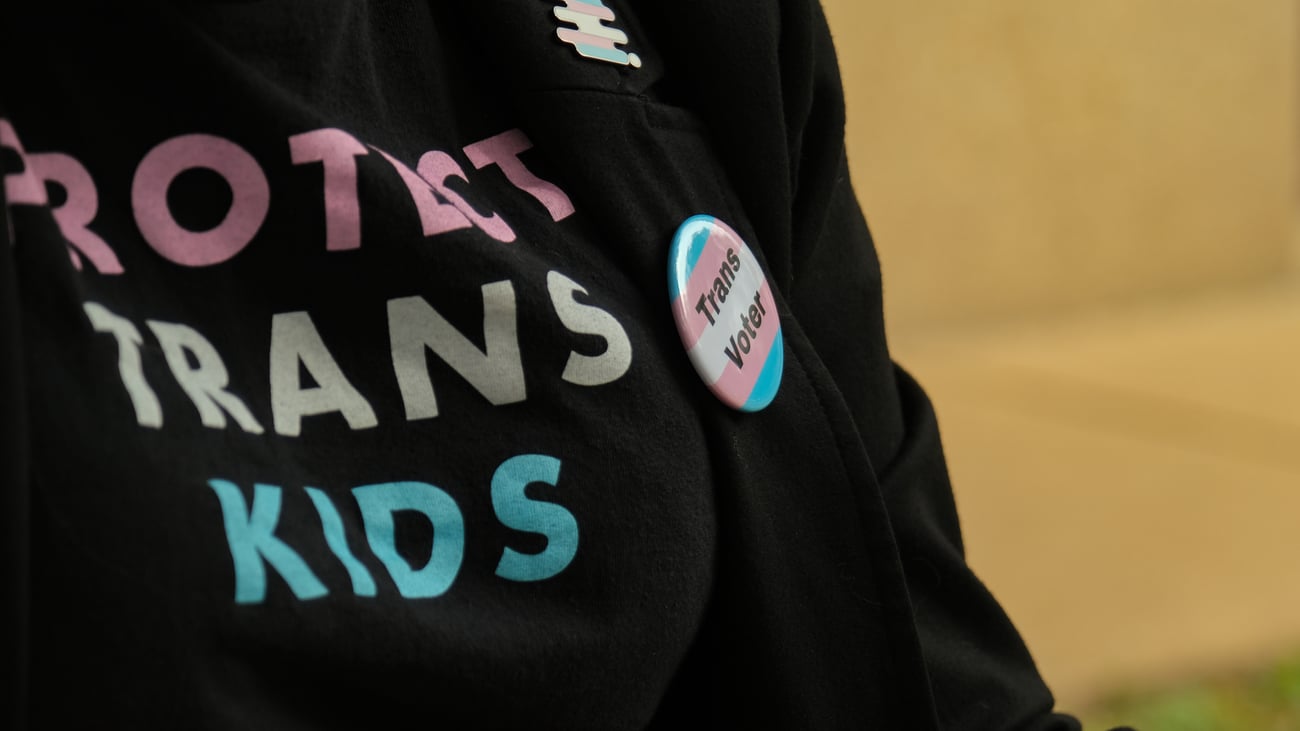
SAN DIEGO (CN) — Attorneys for the state of California asked a federal judge Monday to allow teachers to withhold LGBTQ students’ preferred gender identities from their parents if they suspect child abuse.
However, U.S. District Judge Roger Benitez maintained his conviction that parental rights trumped any obligation the state may have to students in public schools. Ruling from the bench, Benitez — who was incredulous at times of the state’s persistence on the matter — denied the state’s motion to modify his previous injunction that prevented it from enforcing such policies.
The California Attorney General’s Office asked Benitez to modify, or clarify, his previous injunction to align it with a U.S. Supreme Court decision from earlier this month. The state’s request included adding an exemption that would allow schools to withhold a student’s preferred identity from their parents if they suspected abuse or, alternatively, to temporarily withhold a student’s identity while school staff reported the suspected abuse to Child Protective Services.
In his assessment of the arguments, Benitez said children experiencing gender dysphoria may suffer mental health risks whether their parents know about their condition or not but that it ultimately falls on the parents to make decisions about the care, custody and control of their children.
“I can think of no other constitutional right that allows the deprivation of that right without due process,” Benitez said, addressing the state attorneys. “What has troubled me about the state’s position all along is that it seems to do just that. Frankly, I see it as a disrespect to parents. I think it’s a reprehensible position for the state to make.”
The case stems from a 2023 complaint filed by two former teachers from the Escondido Unified School District in San Diego County, Elizabeth Mirabelli and Lori Ann West, who challenged the district’s policy preventing them from disclosing the preferred gender identities and pronouns of their students to their parents without student consent. The plaintiffs, who later included parents, say the policy violated their First and 14th Amendment rights.
The policies have since been removed, but the state has continued to argue the policies foster more inclusive learning environments for LGBTQ students and students experiencing gender dysphoria.
A Ninth Circuit ruling late last year blocked the injunction, but the plaintiffs filed an emergency appeal to the Supreme Court, which ruled in favor of the teachers and parents who sued the state.
California Deputy Attorney General Jennifer Bunshoft argued the state is now in an uncomfortable position where it must put students in danger when it notifies potentially abusive parents of their children’s preferred gender identities.
“Here it’s just a very unusual circumstance where the school district could make a disclosure that would lead to abuse or neglect,” Bunshoft told the judge. “I think that’s why it is unusual.”
She said the exemptions would be on a case-by-case basis.
“We’re just trying to make sure children are not harmed,” Bunshoft said. “It may seem like we’re trying to cause all of this drama, but we’re not. We don’t want districts to feel like they are powerless to prevent abuse.”
Benitez countered that teachers and school staff are still able to report suspected child abuse under the court’s injunction.
“I don’t know how you decide a child is going to be abused,” he said. “This is not like ‘Minority Report,’ where you can look into the future. I don’t know how that happens.”
Paul Jonna, an attorney with LiMandri & Jonna representing the teachers and parents, accused the state of trying to create special rules that prioritized the beliefs of public school teachers over parents.
“This is going to be subject to massive abuse,” he said.
A parent’s right to know their child’s gender identity shouldn’t be terminated based on an allegation of abuse, he added.
Benitez ultimately agreed with Jonna and cut the attorney’s argument short.
“I don’t see why the state is taking such an intransigent position that should be so obvious with the Supreme Court decisions,” Benitez said. “After reviewing all of your papers, I see no reason to change anything. If you disagree, you can take it to the Ninth Circuit.”
He signed an order shortly after the hearing awarding $4.5 million in attorney fees to the plaintiffs. He blamed the state’s attorneys for creating unnecessary workloads for the attorneys by putting up a relentless litigation strategy of resistance throughout the case.
“To this day, the defendants continue to fight about the merits based on the thinnest of arguments,” Benitez wrote.
Subscribe to our free newsletters
Our weekly newsletter Closing Arguments offers the latest about ongoing trials, major litigation and rulings in courthouses around the U.S. and the world, while the monthly Under the Lights dishes the legal dirt from Hollywood, sports, Big Tech and the arts.
Additional Reads


 Trump election overhaul effort faces federal lawsuits April 2, 2026