
 Search Articles


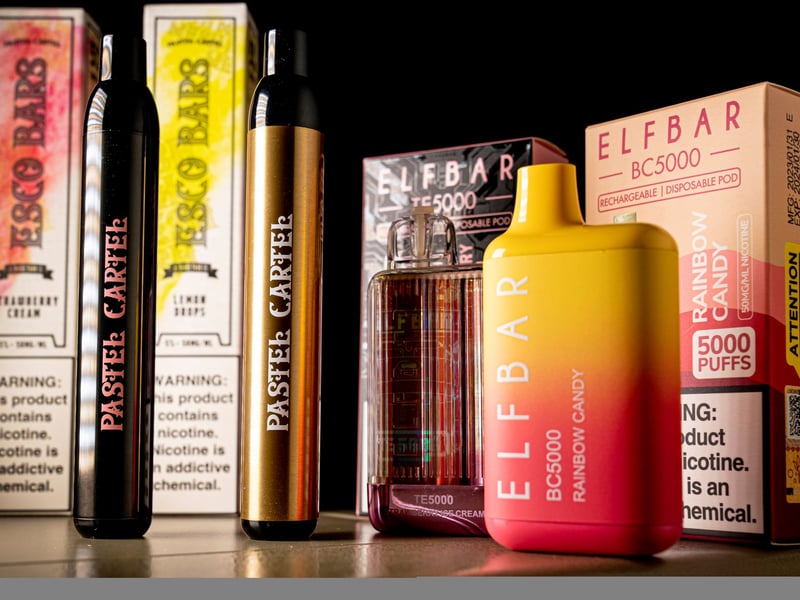
(CN) — An Eighth Circuit Court of Appeals panel on Thursday picked apart Iowa’s e-cigarette registration law, one of many going into effect across the country to fill in the gaps of the FDA’s enforcement against vaping products.
Iowa’s House File 2677 regulates vape product sales across the state with the formation of a product registry. To qualify, manufactures must show that they are in compliance with federal regulations.
Iowans for Alternatives to Smoking, a vaping advocacy group, and several sellers and consumers of vape products sued the Iowa Department of Revenue in December 2024 to prevent the law from taking effect this year.
The group claimed that the law is preempted by the federal Tobacco Control Act of 2009, which gives the Food and Drug Administration authority to regulate a wide range of nicotine products before they can be marketed to consumers.
U.S. District Judge Stephanie Rose, a Barack Obama appointee, agreed, calling the registry law “parasitic” of federal law and blocking the state from enforcing the registry law.
On Thursday, an Eighth Circuit panel dissected the registry law and the FDA’s vape enforcement to decide whether the law parrots federal law or simply closes a gap in federal enforcement on the state level.
Arguments focused on the advocacy group’s claim that the registry law is preempted by the federal Tobacco Control Act, giving the FDA authority to regulate the tobacco industry.
The savings clause was written into the Tobacco Control Act to carve out space for state-level regulation of tobacco sales, without infringing on the federal government’s authority to oversee their standards and marketing. This case turns on the clause: whether Iowa’s law falls within its broad powers or is prohibited by the preemption clause of the same act.
A state law departs from the savings clause’s protections when it punishes manufacturers purely for failing to comply with the federal law, but Deputy Solicitor General Patrick Valencia argued the Iowa registry law has additional requirements that the lower court failed to consider. The Iowa law requires annual recertification with the state revenue department and imposes its own fines for noncompliance.
Though U.S. Circuit Judge James Loken incredulously asked if the state can “tack on any menial requirements” and call it a day, Valencia remained firm that the Iowa law is distinctive from federal law.
“You’re touching on what bothers me about this case,” said Loken, a George H.W. Bush appointee. “It’s clear from the legislative history and common sense that Iowa has set out to duplicate FDA regulation of smoking products because it believes the FDA isn’t doing its job properly. That to me is expressly what Congress intended to prevent.”
He went on to say that the Iowa law overregulates the industry and called them “deadly” to producers that can’t afford to recertify annually in every state.
The advocacy group’s attorney, James Fraser, largely split hairs over the preemption and saving clauses and asked the court to consider Congress’ intent when it created the latter clause in 2009. However, the panel still needed clarification on why the registry law wouldn’t fit into it.
The panel appeared to be looking for an argument that would allow it to narrow the savings clause, but Fraser did not provide that off-ramp.
The FDA was slow to catch up to the wave of vaping — it didn’t begin regulating tobacco vapes until 2016, and synthetic nicotine vapes until 2022, according to the vape advocacy group. By then, countless products were already on shelves and in use.
To avoid the messy business of recalling every single vape pending marketing authorization, which could drive consumers back to harmful cigarettes, the FDA pivoted to a case-by-case enforcement strategy and allowed products to remain in the market while authorization was pending.
While states retain broad police powers to regulate the sale of tobacco products, the lower court found that Iowa cannot transfer the FDA’s enforcement powers to state authorities by conditioning market access on federal authorization, according to Rose’s decision granting the plaintiffs’ injunction.
At its outset, the state argued that the plaintiffs lacked any standing to bring the suit at all because they are suing to be allowed to continue selling illegal vapes.
Rose disagreed with that analysis, holding that the state’s argument distorts the Supreme Court’s jurisprudence by resurrecting a “legal right” theory of standing that has since been rejected.
The preliminary injunction faces another existential threat — its broad language may constitute a “universal injunction,” or an injunction that is not limited to the parties in a particular case, which the U.S. Supreme Court disallowed in Trump v. Casa.
Other neighboring states including Wisconsin and Nebraska have implemented almost identical registry laws that also incorporate federal authorization standards — the lower court’s injunction could impact those states, too, the defense argued.
Though these neighbor state laws didn’t come up during oral arguments, the panel repeatedly brought up the consequences for manufacturers if each state requires annual registry certification on top of the existing federal scheme.
 Follow @desdev5
Subscribe to our free newsletters
Our weekly newsletter Closing Arguments offers the latest about ongoing trials, major litigation and rulings in courthouses around the U.S. and the world, while the monthly Under the Lights dishes the legal dirt from Hollywood, sports, Big Tech and the arts.