
 Search Articles


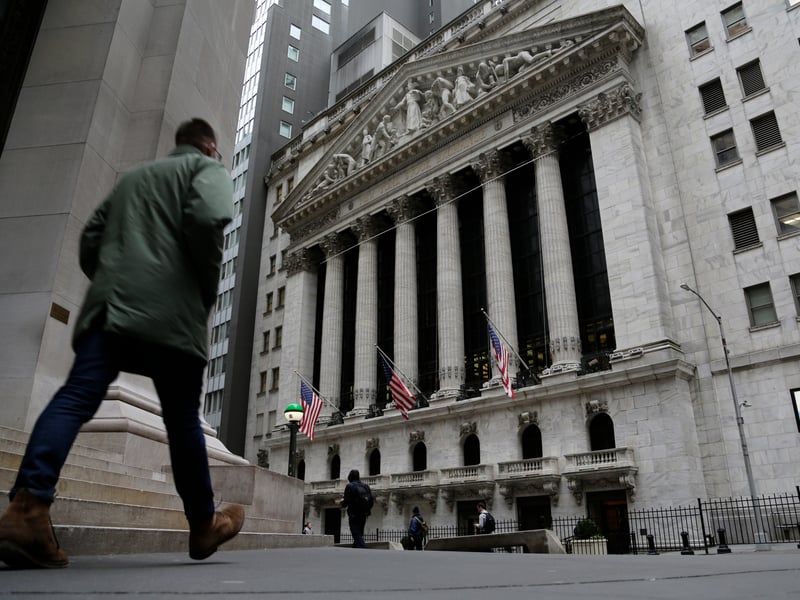
MANHATTAN (CN) — The multi-week win streak nearly ended for Wall Street, as equities were able to fully regain earlier losses on positive employment news.
Markets had fallen slightly early in the week but were reinvigorated when the jobs data began trickling out. By the closing bell Friday, the Dow Jones Industrial Average had gained just two points, while the S&P 500 and Nasdaq rose 10 points and 98 points, respectively.
Equities abroad also have been rallying in recent weeks, with Germany’s DAX rising for the sixth week in a row and the pan-European Stoxx 600 index closing up 0.74% on Friday following positive jobs data.
The U.S. jobs report on Friday egged on the upward trend in equities, as investors were pleased with nearly 200,000 jobs gained in November. While September’s jobs report was revised down by 35,000 jobs, October’s report showing 150,000 new jobs saw no revision.
“Just when you think the economy is finally softening, it continues to show signs of strength,” said Chris Zaccarelli, chief investment officer for the Independent Advisor Alliance, noting also 3.7% unemployment rate did not rise to 4% or higher, as many had predicted. “The recession that seemed so inevitable at the end of 2022 still hasn’t arrived and may not come any time soon.”
On Wednesday, payroll company ADP released its monthly jobs report, which showed the private sector gaining 103,000 jobs last month and a 5.6% year-over-year pay increase for people who stayed in their jobs. Those who changed jobs saw a median 8.3% increase in pay during that same period.
The ADP data undershot what most experts had forecast, and it is the slowest report since summer 2021. However, that is a good thing for investors looking to put inflation in the rearview mirror and hoping to see interest rate cuts by the Federal Reserve in 2024.
Also on Friday, the University of Michigan released its preliminary findings for December, which showed a surprising increase in consumer sentiment, with that index reaching 69.4. Consumers are also more optimistic about inflation, with year-ahead inflation expectations falling to 3.1% from 4.5%, the lowest mark since March 2021.
However, that may not be enough to keep consumer spending going through 2024, some experts say.
“The jump in consumer sentiment may have come too late to support real consumption,” Olivia Cross at Capital Economics wrote in an investor’s note, adding the indices point to a “sharp slowdown” in consumer buying. “That echoes evidence that growth in control group retail sales have been softening over the fourth quarter,” she wrote.
All eyes now turn to the Fed’s last meeting of 2023 next week. While the central bank is expected by nearly everybody to keep rates steady at the current 5.25% to 5.5% range, starting in the first quarter of next year that could quickly change.
James Knightley, chief international economist at ING, says data suggest a deteriorating spending outlook and stagnant household incomes could prompt Fed action. “Credit card delinquencies are on the rise while student loan repayments are only adding to the financial pressure on millions of households,” he wrote.
“This should confirm no need for any further Fed policy tightening, but the outlook is looking less and less favorable,” he continued, predicting 1.5% of rate cuts next year.
 Follow @NickRummell
Subscribe to our free newsletters
Our weekly newsletter Closing Arguments offers the latest about ongoing trials, major litigation and rulings in courthouses around the U.S. and the world, while the monthly Under the Lights dishes the legal dirt from Hollywood, sports, Big Tech and the arts.