Search Articles


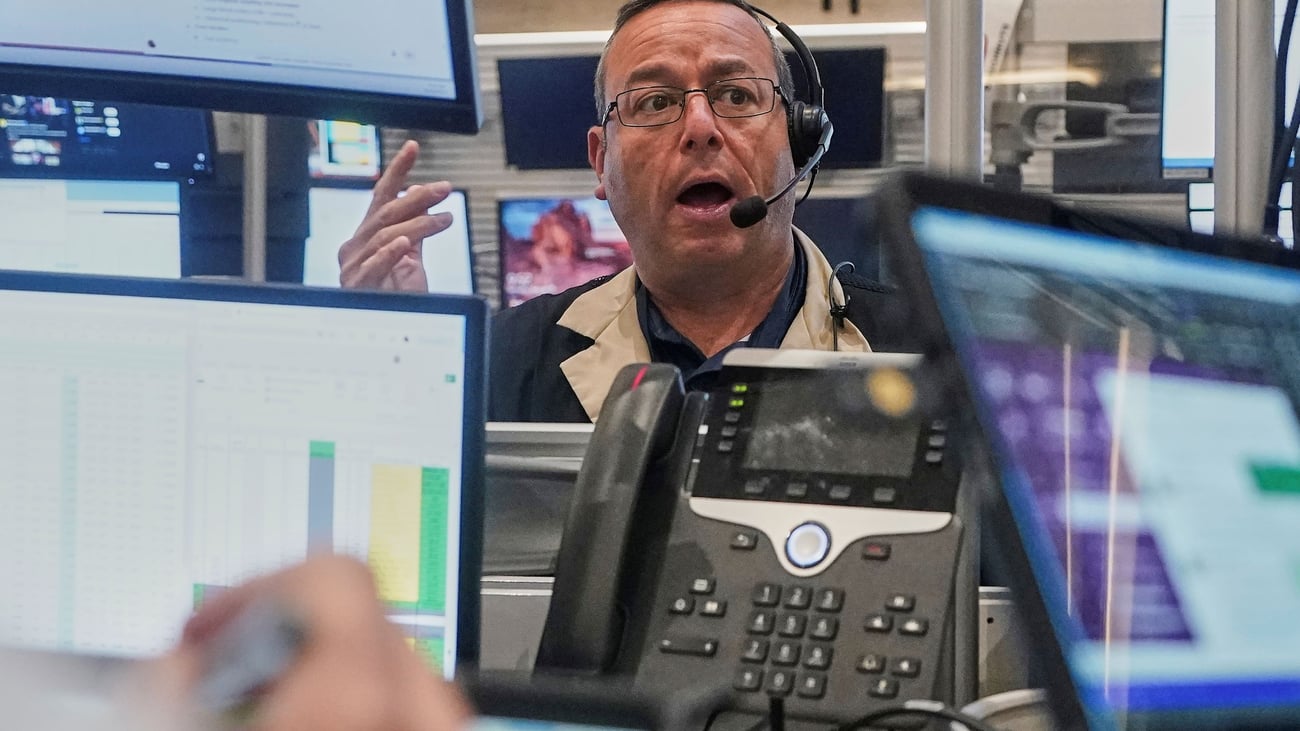
MANHATTAN (CN) — Wall Street has turned its focus from the ever-shifting ceasefires and blockades in the Strait of Hormuz back to interest rates and tariffs.
With the Federal Reserve meeting next week — and the likelihood of a new Fed chair soon, as the Justice Department on Friday dropped its lawsuit against current Fed chief Jerome Powell — Wall Street could ignore the Iran war. By the closing bell Friday, the Dow Jones Industrial Average gained 218 points, while the S&P 500 and Nasdaq increased 38 points and 268 points, respectively.
“Markets, as usual, have a mind of their own and seem to have largely moved past worrying about the Iran war and are celebrating a robust earnings season, where the average company has beat earnings estimates by over 10%,” said Chris Zaccarelli, chief investment officer at Northlight Asset Management.
Wall Street had been displeased with the Trump administration’s lawsuit against Powell, as was Senator Thom Tillis, who had threatened to hold up the nomination of Kevin Warsh. With the lawsuit gone, Warsh is a shoo-in to succeed Powell at the central bank.
Additionally, investors likely were happy with the start of the process to pay out more than $166 billion in tariff refunds to businesses. Thousands of U.S. businesses had sued the administration over the duties, and dozens states also filed lawsuits to overturn other tariffs. In February, the U.S. Supreme Court ruled many of the duties unconstitutional.
Big box retailers are expected to recoup the largest amounts, but consumers likely won’t see much in terms of refunds despite some companies like DHL announcing they would issue checks to certain customers.
It is unclear whether some companies may opt out of the refund process, especially after President Trump issued a veiled threat earlier this week against companies seek tariff refunds. “If they don’t do that, I’ll remember them” Trump said during an interview with CNBC.
Beyond the war and tariffs, Wall Street had very little economic data to parse this week, and what was available was a mixed bag.
The latest retail sales came in slightly hotter than expected, with a 1.7% increase in spending last month compared with the 1.5% increase that was forecast. However, experts don’t expect the party to last.
“While larger tax refunds in recent weeks likely provided a short-erm cushion, rising inflation is becoming a more significant headwind,” EY-Parthenon Senior Economist Lydia Boussour said in a statement. “As gas and grocery bills take a bigger bite out of household budgets, we expect spending momentum to slow.”
Consumers have been pessimistic for months, even while they kept their wallets open, and the latest consumer sentiment survey from the University of Michigan shows the pessimism has worsened. The April survey dropped to 49.8 points from 53.3 points in March, with the current conditions” and “consumer expectations” indices showing similar decreases.
“The Iran conflict appears to be passing through the consumer views primarily through effect on prices, particularly gas and energy prices stemming from disruptions to shipping,” Joanne Hsu, the survey’s director, said in a statement.
With this second consecutive monthly drop in confidence, the survey has sunk to levels not seen since mid-2022, when inflation was rampant. Sentiment dropped across all political affiliation, income, age and education brackets.
“At this time, consumers do not foresee relief from high prices in the near future,” Hsu added. “In fact, consumers expect them to worsen before they improve.”
Other surveys this week paint a bleak picture of consumers’ views on the economy, with even a Fox News poll from Thursday showing seven out of 10 Americans feel the economy is worsening.
 Follow @NickRummell
Subscribe to our free newsletters
Our weekly newsletter Closing Arguments offers the latest about ongoing trials, major litigation and rulings in courthouses around the U.S. and the world, while the monthly Under the Lights dishes the legal dirt from Hollywood, sports, Big Tech and the arts.
Additional Reads
 Arizona sues to block ICE facility near chemical warehouse April 24, 2026