
 Search Articles


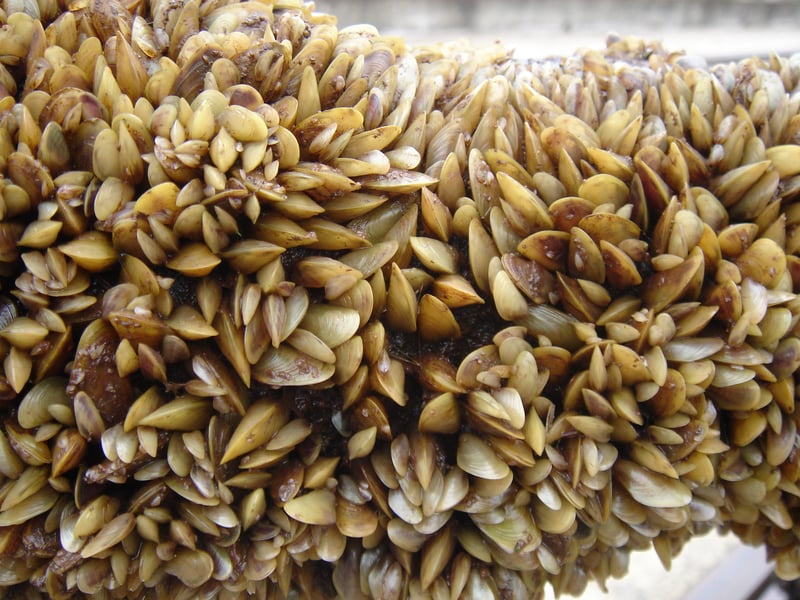
STOCKTON, Calif. (CN) — A new species of mussels discovered in California’s waterways earlier this month could have massive ramifications for the entire state if it’s not contained, the California Department of Fish and Wildlife said Thursday.
The California Department of Water Resources discovered golden mussels, which are native to China and Southeast Asia, while doing routine maintenance in the Port of Stockton, marking the first-ever appearance of the species in North America.
The mussels likely reached California by clinging to the bottom of an international vessel, Fish and Wildlife officials said, announcing the discovery.
The department said the species poses a significant, immediate threat to the ecological health of all of California’s waters, not just the Sac-Joaquin Delta where it was discovered.
Named for their golden, yellowish-brown shells, the mollusks are notorious for their invasive qualities and ability to alter the habitats surrounding them.
“It’s concerning for their damaging pipelines and also damage that they can do to the natural habitat,” said Steve Gonzales, public information officer for the Department of Fish and Wildlife.
Since the discovery, he said, his department has been circling the wagons around the boat-dwelling mussels while officials figure out their next move.
Gonzales stressed the importance of education in fighting the mussels’ spread and encouraged boaters to check their watercraft and dry them before moving between bodies of water.
When asked if the department is considering the use of pesticides or other chemical treatments to fight the spread, Gonzales told Courthouse News that such a proposal has never been on the table. “Once they’re here, the only prevention going forward is people power,” he said.
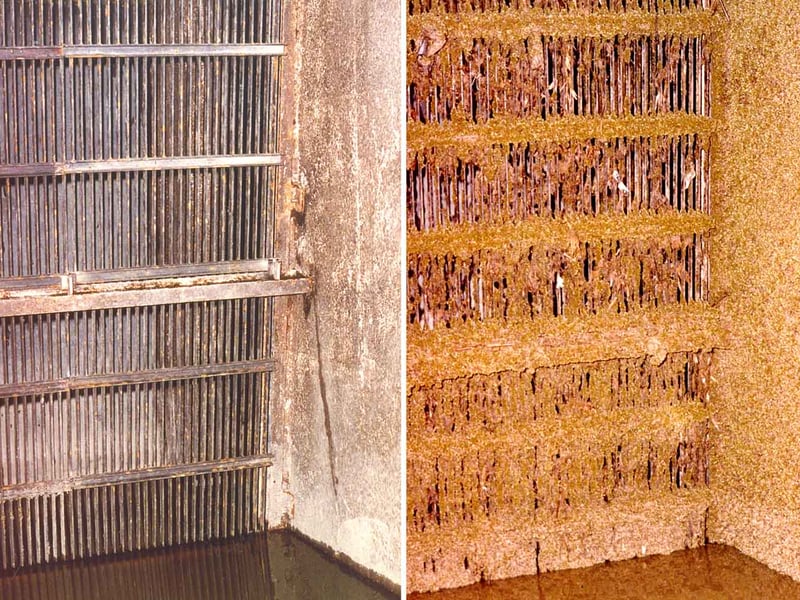
If they are allowed to spread, the department says, golden mussels could block pipelines that travel through California’s waterways, including those that transport drinking water. Blockages can be expensive to remove and affect the intakes, pipes and filters of water treatment facilities, industrial plants and power stations.
The species’ introduction could also cause significant ecological damage in the state. Golden mussels have been known to decrease water quality, which can cause damage to native species and the ecosystems they need to survive.
Fish and Wildlife announced the golden mussels’ presence in California after confirming their identity via lab testing. There are suspected instances of more mussels at a port in Merced County, but the department is still waiting to confirm these via lab results.
The department’s greatest concern at this time is that citizens may spread the mussels, hence the need for boaters to clean, drain and dry their watercraft and equipment every time it is removed from a body of water. This measure, though simple, has proven effective in preventing the spread of quagga and zebra mussels and will be equally effective in stopping the overland spread of golden mussels.
Golden mussels are poised to join the existing quagga and zebra mussels as the denizens of Fish and Wildlife’s most wanted list. Like golden mussels, quagga and zebra mussels grow in dense clusters, like barnacles. Their microscopic larvae reproduce quickly and often thrive in California’s warm climate.
The department said it doesn’t track the financial impacts of mussel proliferation. However in 2009, Quagga and zebra mussels already cost an estimated $500 million per year to manage at power plants, water systems and industrial complexes, and on boats and docks in the Great Lakes region. At the time, professor Mark S. Hoddle at the Center for Invasive Species Research, University of California Riverside, said a similar estimate could be relevant to California.
Golden mussels are firmly established outside of their native habitats in areas as far as Hong Kong, Japan, Taiwan, Brazil, Uruguay, Paraguay and Argentina.
In 2005, after golden mussels were discovered in South America, experts voiced their concern the species could spread to North America.
Subscribe to our free newsletters
Our weekly newsletter Closing Arguments offers the latest about ongoing trials, major litigation and rulings in courthouses around the U.S. and the world, while the monthly Under the Lights dishes the legal dirt from Hollywood, sports, Big Tech and the arts.