
 Search Articles


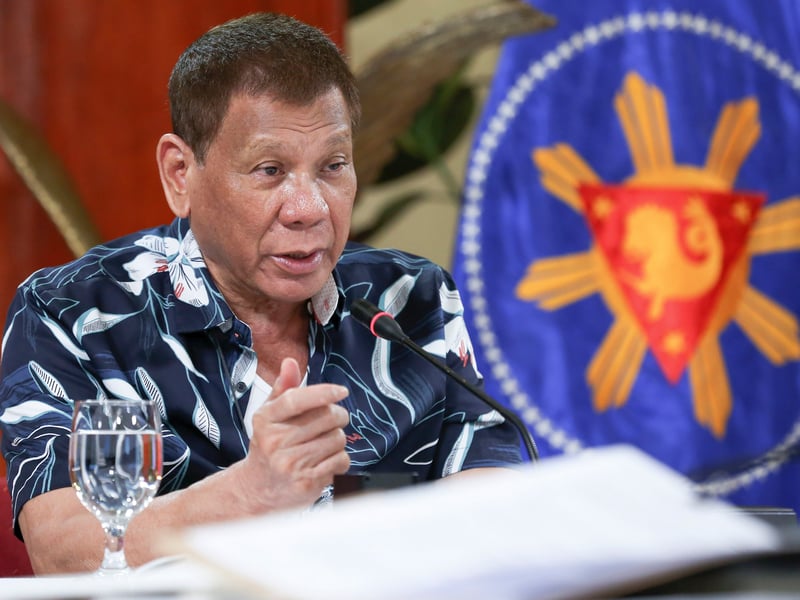
THE HAGUE, Netherlands (CN) — After months of medical reviews and procedural sparring, judges in The Hague on Monday cleared former Philippine President Rodrigo Duterte to take part in proceedings and set a Feb. 23 hearing despite his lawyers’ push for an open-ended delay.
In its decision, the International Criminal Court said, “in light of its above finding that Mr. Duterte is able effectively to exercise his procedural rights and is therefore fit to take part in the pre-trial proceedings, the chamber rejects the adjournment request.”
The ruling drags the case out of procedural limbo and toward a decisive reckoning, setting up a test of whether prosecutors have enough evidence to push it into a full trial and make a former Philippine president answer before the only permanent international court with jurisdiction to prosecute individuals over atrocity crimes.
Duterte, now 80, built his rise to power on a hard-line promise to crush crime, first as mayor of Davao City and later as Philippine president from 2016 to 2022. That pledge became the defining feature of his rule, unleashing a drug war marked by police raids and vigilante-style killings that left thousands dead. U.N. investigators and human rights groups have long described the campaign as a systematic attack on civilians.
Duterte’s lawyers moved in August 2025 to shut the case down, arguing his age and health had left him unable to follow the proceedings or properly assist his defense. Judges responded by pressing pause the following month, pulling a confirmation hearing scheduled for late September while they took up the question of whether he was fit to appear before the court.
That pause set off a monthslong medical and legal review. Judges appointed three independent experts, specialists in forensic psychiatry, neurology and neuropsychology, and examined both their joint and individual assessments alongside arguments from prosecutors, the defense and victims’ representatives. Weighing that record, the chamber concluded that Duterte remains able to take part in the proceedings, while leaving room for tailored medical measures to support his participation during hearings.
Nick Kaufman, Duterte’s lead defense counsel, said the defense was disappointed with how judges handled the fitness proceedings, calling it “contrary to accepted practice” and saying the defense was denied “the opportunity to present its own medical evidence and to question, in court, the contradictory findings of professionals selected by the judges.”
“The defense will seek leave to appeal this decision and argue that Mr. Duterte was denied due process,” he added.
The ruling lifts the pause imposed last fall and puts the case back on track, with judges formally resuming the path toward the confirmation of charges phase. Further directions on how the hearing will be conducted, including any medical accommodations, are expected in a separate order in the weeks ahead.
Victims’ lawyers urged judges not to let health arguments put the case on ice, saying delay itself carries real consequences. In written comments, the Office of Public Counsel for Victims warned that any pause or release would be felt not in court filings, but in neighborhoods still shaped by the drug war.
“Victims have expressed fears about their safety and the safety of their families, as well as concerns about the possible increase of violence in the neighborhoods in which they live, if the suspect were released,” the office said.
Prosecutors took a similar line, pushing back against any open-ended pause. They said brief delays to assess medical concerns could make sense, but stressed the legal test is not perfect health but whether a suspect can follow the case and exercise basic rights in court.
The ICC stepped in after years of pressure and frustration over a lack of accountability at home. Prosecutors opened a formal investigation in 2021, finding that Philippine authorities were not genuinely pursuing the cases. Judges later cleared the way for the probe to move forward again in 2023, after domestic efforts stalled.
Judges issued a warrant for Duterte’s arrest in March 2025, and he was handed over to the court days later and flown to The Hague. Since then, the court has repeatedly kept him in detention, pointing to the risk he could flee or interfere with witnesses if released.
The ICC was established in 2002 as the world’s permanent court of last resort to prosecute those responsible for war crimes, crimes against humanity, genocide and the crime of aggression. The court gets involved when nations are unable or unwilling to prosecute those crimes on their territory. Israel, Russia, China and the United States are not signatories to the Rome Statute, which underpins the court.
The upcoming confirmation of charges hearing will not decide guilt. Instead, judges will weigh whether prosecutors have shown “substantial grounds to believe” Duterte committed crimes against humanity, including murder and attempted murder, during the drug war. If any charges are confirmed, the case will move into a full trial phase before a different panel of judges.
Monday’s decision clears the procedural fog and refocuses the case on its central reckoning. With the fitness dispute resolved, judges will now take up the evidence, and whether the drug war that powered Duterte’s rise can be judged as an international crime.
Courthouse News reporter Eunseo Hong is based in the Netherlands.
Subscribe to our free newsletters
Our weekly newsletter Closing Arguments offers the latest about ongoing trials, major litigation and rulings in courthouses around the U.S. and the world, while the monthly Under the Lights dishes the legal dirt from Hollywood, sports, Big Tech and the arts.