
 Search Articles


BOULDER, Colo. (CN) — In 1980, the U.S. Supreme Court agreed the U.S. government had illegally taken the Black Hills from the Sioux Nation. Known as “the “heart of everything that is” to the native tribe, the Black Hills span the Great Plains of South Dakota and hold the site of Mount Rushmore.
Though they won, the Sioux have yet to collect the $106 million judgment a federal court awarded, waiting instead for the land to be returned.
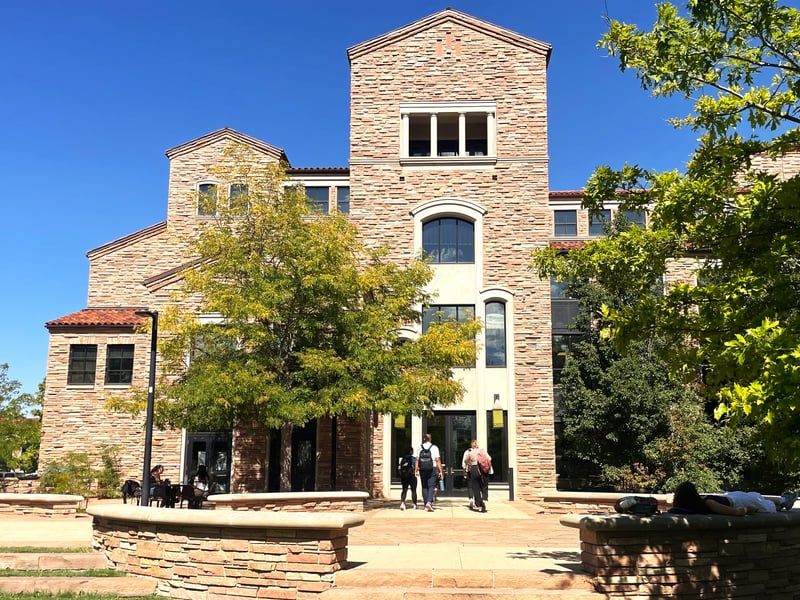
At the Martz Symposium on Public Lands at the University of Colorado Boulder on Thursday, law professor Vanessa Racehorse recalled the story of the Sioux to illustrate the storied history of the Land Back movement, which seeks to restore indigenous autonomy over public lands.
“The Land Back movement seeks to restore ancestral territory illegally taken from tribes,” Racehorse explained.
Although some proponents of Land Back want to seek the actual return of places to the tribes they were illegally taken from, others advocate for giving ingenious people a greater role in the management of public land.
For Earthjustice attorney Gussie Lord, Land Back is about valuing long-term decisions over short-term gain.
“There’s a growing recognition that we do have to protect the public lands and water we have now. We need long-term planning and long-term thinking that is absent in our political process,” Lord said.
Though the concept is rooted in indigenous values and culture, Lord does not see it as a movement to exclude the vast public from accessing places of traditional value to tribes. The Bison Range at the Flathead Reservation in Montana, for example, is managed by Native Americans and open to the public at large.
“Land Back exists because of a steadfast commitment to preserve and protect,” said Rebecca Tsosie, a law professor at the University of Arizona. “Ever since dispossession, native people have been fighting in various ways, and with some sense, victory.”
Tsosie sees hope in young people who advocate for strong environmental policies. While Tsosie found progress toward restoring indigenous autonomy under former President Joe Biden’s renewable energy and cultural preservation policies, she is disappointed by recent initiatives under President Donald Trump that diminish the stories told by native people. From a bill introduced to Congress that would award medals of valor to proponents of the 1890 Wounded Knee massacre to the removal of signs depicting native history in National Parks under the “Restoring Truth and Sanity to American History” executive order, Tsosie sees “upsetting exercises of erasure.”
Despite the sea change in conservation policy, University of Montana law professor Kekek Stark is looking for opportunities to eliminate problematic red tape.
“Under the current administration, there’s the opportunity to do things different,” said Stark, who is a member of the Anishinaabe tribe. “Maybe we have opportunities to rework some of the things that have systemically hindered our ability to engage in Land Back practices.”
The downsizing of the federal government, for example, does not eliminate the need for conservation practices, just the way they have been implemented.
The Anishinaabe word for law is inaakonigewin , Stark said, referring to the laws of nature, to the treaties between living beings and the idea that all creations have the right to exist.
“A lot of individuals get the feeling, they go to a place and experience something, and that’s because it’s a sacred place," Stark said.
 Follow @bright_lamp
Subscribe to our free newsletters
Our weekly newsletter Closing Arguments offers the latest about ongoing trials, major litigation and rulings in courthouses around the U.S. and the world, while the monthly Under the Lights dishes the legal dirt from Hollywood, sports, Big Tech and the arts.