
 Search Articles


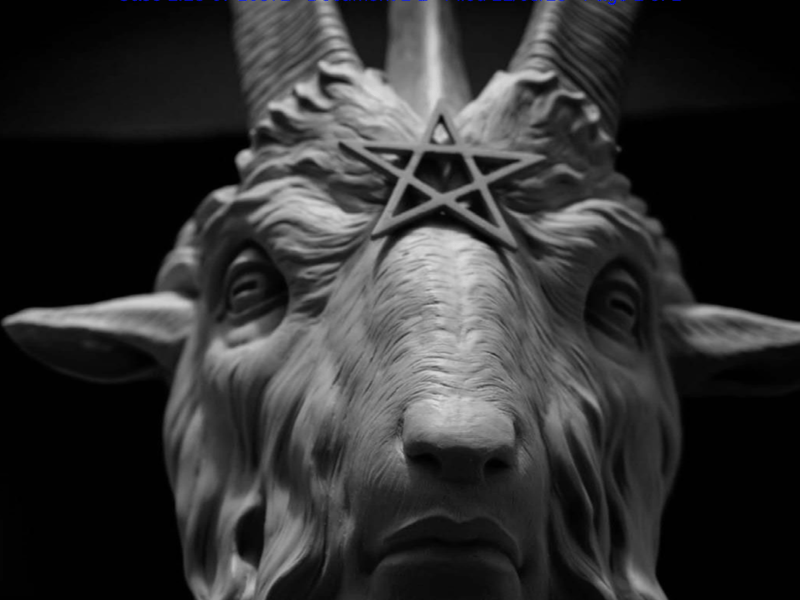
MANHATTAN (CN) — The Second Circuit will have the final say in The Satanic Temple’s defamation claim against New York-based weekly news magazine Newsweek, which stands accused of unlawfully disparaging the group with a 2021 article that highlighted claims of sexual abuse.
The Satanic Temple, a nontheistic new religious movement that encourages benevolence and empathy, made its last-ditch effort to save the lawsuit Wednesday, arguing to the Second Circuit that Newsweek acted with “actual malice” in the scrutinized report.
“The heart of that charge is false, the heart of that charge is defamatory and the heart of that charge had facts that Newsweek was aware of, which would have put any actor in the situation of Newsweek on notice that that was false,” the group’s lawyer Matthew Kezhaya told a panel of appellate judges.
The story at issue is a 2021 report titled “Orgies, Harassment, Fraud: Satanic Temple Rocked by Accusations, Lawsuit” by Seattle-based journalist Julia Duin. In the article, Duin ran quotes from ousted members about the group’s supposed dysfunction, including that referenced “accounts of sexual abuse being covered up in ways that were more than anecdotal.”
The Satanic Temple’s initial defamation claim covered several elements of Doin’s story, but that single quote was the only one that survived to summary judgment. This past March, however, U.S. District Judge Mary Vyskocil dismissed the defamation claims against that line, too.
“There is insufficient evidence in the record for a reasonable jury to find that Newsweek published the article statement with actual malice,” the Donald Trump appointee wrote in her ruling, granting summary judgment to the news magazine and putting the final nail in the coffin of the temple’s defamation claim.
On Wednesday, Kezhaya argued Vyskocil made a mistake. He claimed Newsweek ignored the fact that the statement had “obvious grounds for doubts” and failed to diligently investigate the allegation further.
“You cannot survive liability by simply saying, ‘I heard…’” Kezhaya said.
Wednesday’s three-judge panel didn’t immediately rule from the bench and weren’t outright dismissive of Kezhaya’s arguments. They did push back on his assertion that Doin and Newsweek merely published unresearched hearsay.
“But she looked into it, right?” asked U.S. Circuit Judge Sarah Merriam, a Joe Biden appointee. “She did interview other people, right?”
Kezhaya insisted that while other interviews were conducted, none addressed that accusation specifically. That didn’t only prove “actual malice” on the magazine’s part, Kezhaya claimed, but also represented a deviation from Newsweek’s own professional standards that give it national credibility.
“If National Enquirer had published this exact same claim, we probably wouldn’t be here today because nobody would believe it,” Kezhaya said. “It’s because it was in Newsweek that people believed it. It’s because of those standards.”
U.S. Circuit Judge Allison Nathan, a Biden appointee, and U.S. Circuit Judge Jose Cabranes, a Bill Clinton appointee who appeared virtually, rounded out the panel.
Cameron Stracher, a New York-based media and entertainment lawyer, argued on behalf of Newsweek. He recited a few lines from Vyskocil’s summary judgement ruling for the court, which read:
“There is limited evidence of potential departures from professional standards, sparse evidence of bias, and a total lack of any evidence that Duin harbored any serious uncertainties or had any obvious reasons to doubt the truth of the article statement."
Founded in 2013 and headquartered in Salem, Massachusetts, The Satanic Temple was established as a counter to Christianity’s intertwinement with U.S. politics. According to the group’s website, its mission is to “reject tyrannical authority, advocate common sense, oppose injustice and undertake noble pursuits.”
Historically, it’s a litigious group, filing lawsuits around the country most notably on behalf of abortion access. The temple recently lost a bid to challenge Indiana’s near-total abortion ban after it argued the restriction unlawfully blocks it from providing telemedicine abortion care. It lost a similar lawsuit in 2025, this time against Idaho’s abortion ban, after the Ninth Circuit found that the group lacked standing to challenge the law.
 Follow @Uebey
 Follow @uebey.bsky.social
Subscribe to our free newsletters
Our weekly newsletter Closing Arguments offers the latest about ongoing trials, major litigation and rulings in courthouses around the U.S. and the world, while the monthly Under the Lights dishes the legal dirt from Hollywood, sports, Big Tech and the arts.