Search Articles


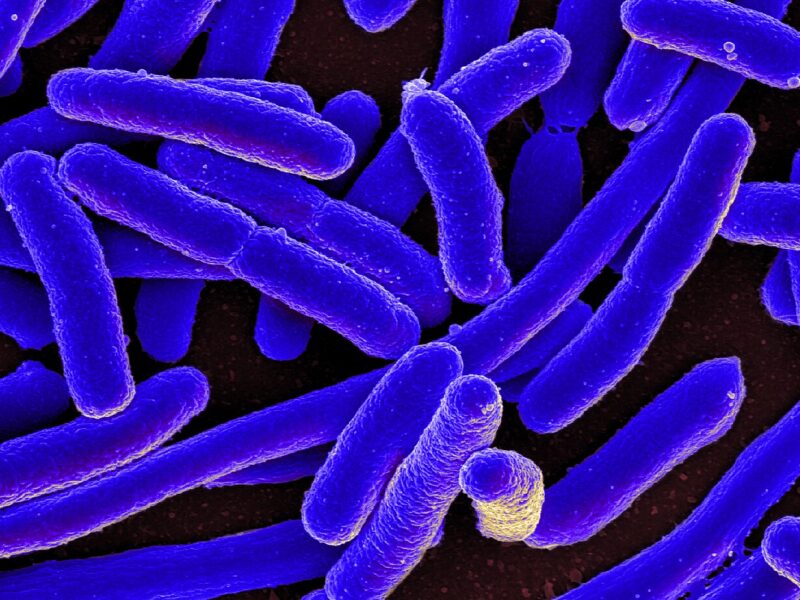
(CN) — Bacteria use a resource-pooling method to help dormant cells survive, researchers say in a study published Thursday, explaining why some stubborn bacteria are difficult to fight off with medication.
The findings, published in the journal Science, may improve our ability to make effective antibiotics, according to the team led by scientists from Baylor College of Medicine.
Antibiotics are designed to kill bacteria, but they often leave the job incomplete, with a small group of the microbes lingering behind.
“These survivors are not genetically resistant; instead, they temporarily shut down certain parts of their metabolism, entering a dormant-like state that allows them to endure treatment and later regrow,” lead author Christophe Herman, a genetics and microbiology professor at Baylor, said in a statement announcing the work.
“Understanding how survivors form and remain is a major challenge in fighting persistent infections,” Herman said.
To accomplish the goal of leaving behind surviving bacteria, scientists know bacteria share resources like antibiotic-resistant genes and proteins. The research expands the field’s understanding of how protein transfer works.
The team engineered Escherichia coli to create a donor group that makes an enzyme called Cre, and a recipient group with a genetic “switch” that flips when it receives Cre protein.
When the E. coli bacteria were treated with low levels of antibiotics, protein transfer increased by thousands of times, according to the study, but the process is rare under normal conditions.
Digging deeper, the research team then looked at how the proteins move between cells, and found the transfer still occurs after the donor cells are removed — leaving behind the liquid in which they’d grown.
“This ruled out direct cell-to-cell contact and pointed to something released into the environment,” said Alice Wen, the study’s first author, a McNair scholar at Baylor’s medical scientist training program.
Tiny structures called membrane vesicles transport the proteins, the team discovered. The recipients slowed down their protein production and metabolism, and activated genes like HipA that are associated with persistence.
“Recipient cells with high HipA activity were more likely to take up protein-carrying vesicles and survive antibiotic treatment,” Wen said. “When HipA was removed, both protein uptake and survival dropped.”
Dormant E. coli bacteria were also more likely to survive lethal doses of antibiotics after being exposed to protein transfer via membrane vesicles, suggesting that transfer process helps dormant cells endure stress.
“Our study shows that antibiotics cause a genetically identical group of bacteria to differentiate into two distinct groups: donor cells that respond by releasing protein-filled vesicles, and recipient cells that become dormant but capable of taking up proteins from incoming vesicles, which helps them survive,” Herman said. “This teamwork allows vulnerable members of a bacterial population to persist in the face of a potentially deadly antibiotic attack.”
In the future, researchers aim to identify which proteins in the vesicles help cells endure, with the goal of ultimately fighting chronic and persistent infections.
 Follow @NinaPullano
 Follow @ninapullano.bsky.social
Subscribe to our free newsletters
Our weekly newsletter Closing Arguments offers the latest about ongoing trials, major litigation and rulings in courthouses around the U.S. and the world, while the monthly Under the Lights dishes the legal dirt from Hollywood, sports, Big Tech and the arts.