
 Search Articles


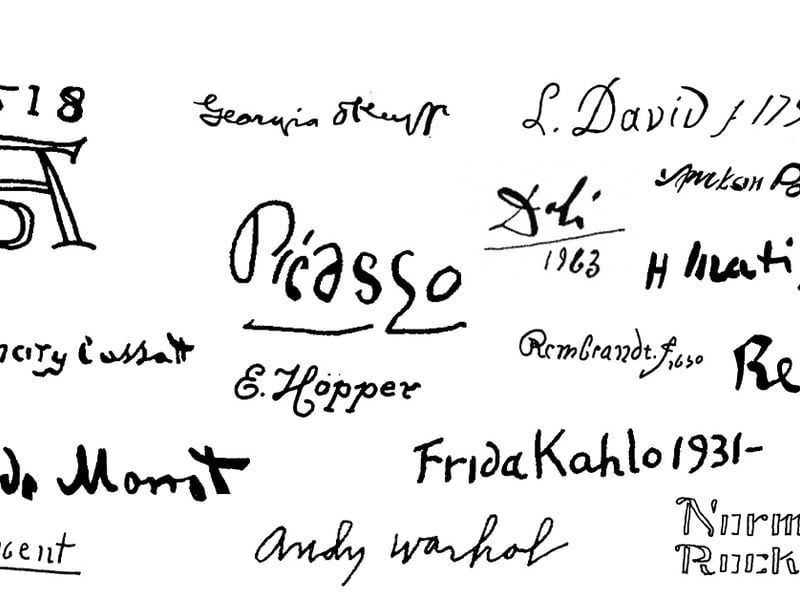
While searching for art pieces in his late uncle’s Philadelphia basement, Joe Castagno stumbled upon an unexpected sight: several boxes containing thousands of index cards, each bearing a copy of an artist’s signature.
While his uncle had previously assembled a reference library of more than 55,000 artist’s signatures, the newly discovered 3-by-5 cards had not been added to that collection.
“To me, that was a treasure,” Castagno said. “To find these extra eight to ten thousand cards that were just sitting in boxes waiting to be added into the website.”
An artist himself, John Castagno began documenting artist signatures in 1980, providing a valuable reference for galleries, museums, auction houses and libraries worldwide. Those signatures comprise the bulk of John Castagno’s 17 reference books and his website, artistsignatures.com.
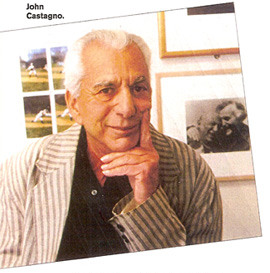
“This is an invaluable tool in identification of works by artists who may no longer be well known,” Michael Findlay, a director of Acquavella Galleries in New York, wrote in the foreword to one of John Castagno’s books, Artists’ Monograms and Indiscernible Signatures II .
The collection also helps authenticate artworks and illustrates how the signatures of famous artists sometimes evolve through the years.
“It’s a great tool for the art world,” said Joe Castagno, who helped his uncle with the project.
Artists began regularly signing their works during the early Renaissance, when art production shifted from guild systems to individual creativity, according to Christie’s auction house. Since then, the signature often marks the final step in the creative process — and a part of the artist’s brand and personality.
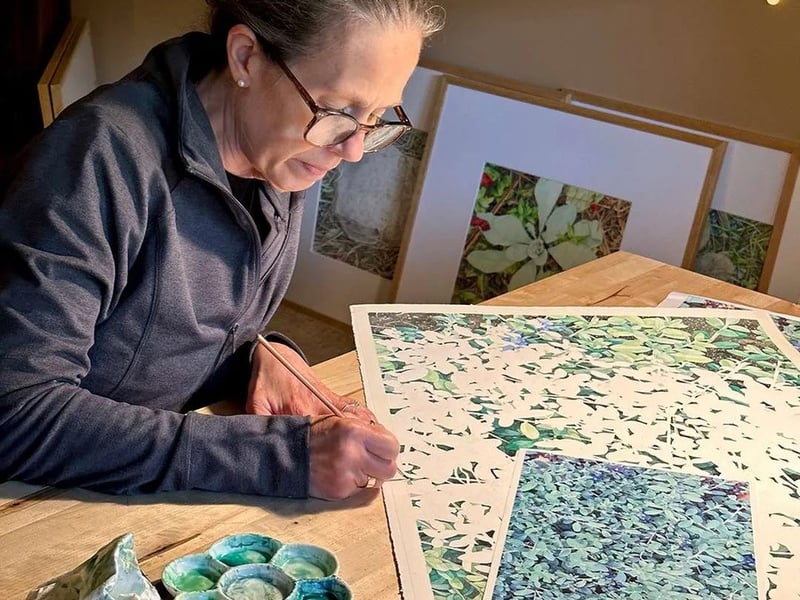
“I think signatures are part of an artist’s style,” said Minnesota artist Kristin Maija Peterson, who studied art history. “If you’re familiar enough with an artist’s work, you recognize how they put the paint on the paper, how they draw a line — you recognize their hand. And that can come out in their signature as well.”
A former graphic designer who ran a branding design studio, Peterson knows the value of establishing a brand with a good signature.
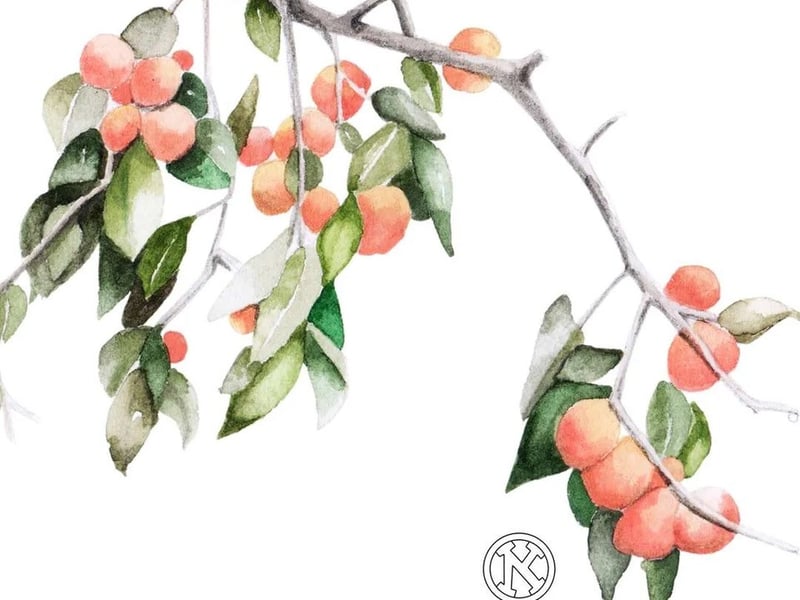
“A lot of artists, especially if they are starting out or not super famous, are probably not even thinking about branding and marketing,” said Peterson, who signs her environmental watercolors with a monogram inspired partly by her artist father. “They’re more concentrated on perfecting their craft and their technique and finding their visual voice and their vocabulary.”
Yet, she added, with time, many artists become more comfortable with their craft – and that’s where a creative signature might result.
“I think as they mature, they become more confident in their work,” she said. “And that’s going to show up in their signature as well.”
As John Castagno’s collection shows, artists — both famous and lesser known — have approached the signature in different ways.
German painter Albrecht Dürer used a memorable AD monogram, while one of American painter Mary Cassatt’s monograms looks a little like a football. Post-Impressionist painter Vincent van Gogh often simply wrote his first name, underlined. And Leonardo da Vinci’s famous Vitruvian Man sketch features eloquent penmanship that resembles signatures from the U.S. Declaration of Independence.
Rembrandt, the famous Dutch painter, and Mexican artist Frida Kahlo sometimes included the dates with their signatures, making the historian’s work a little easier.
While a reliable signature helps establish a brand, creative people might have trouble keeping such a routine, Peterson said. “Consistency can get really boring.”
Many artists do change their signatures repeatedly over time — Henri Matisse, for example, has 10 variations in John Castagno’s collection — making the historian’s work a little more challenging but also fun.
“There’s no end to the variety of signatures an individual might use,” John Castagno said prior to his death at age 87 in 2018.
Christie’s didn’t respond to multiple interview requests. But a story on its website details how those changing signatures can help collectors pinpoint a work’s date.
“Picasso is a great example,” said Allegra Bettini, an impressionist and modern art specialist with Christie’s. “In his early career, he signed including his middle name as P R (or Ruiz) Picasso, later dropping the initial and developing a more decorative version. During his analytical Cubist period, he stopped signing the fronts of his canvases entirely in order not to detract from the art itself, whereas later on he adopted his famous signature, compete with an underlining dash.”
While Christie’s has multiple employees well versed in signatures, several museums and art schools contacted by Courthouse News did not have experts who could speak to the topic — demonstrating the value of John Castagno’s reference material.
“There’s probably a handful of people that do it,” Joe Castagno said. “And they’re not as well known as my uncle.”
Born in Philadelphia, John Castagno was a multimedia artist and sculptor, becoming serious about his art in 1960. His work appeared in more than 40 museum and public collections in the United States, Israel, and Ireland, as well as in the private collections of presidents Barack Obama, Jimmy Carter and Gerald Ford. He also became an art collector and investor.
When he began researching artist signatures in the 1980, it quickly became an obsession, eventually taking time from his own art.
“He turned his signatures into a full-time job,” said his nephew, who was initially baffled by the mission. “I mean, why would he take on such an undertaking that really had no financial value whatsoever?”
The signatures John Castagno collected are all copies he painstakingly created, often during visits to museums and galleries.
“Every signature we have published on the website is basically hand drawn,” Joe Castagno said. “He would take a magnifying glass and look at the signature and the catalogues and then try and duplicate those signatures until he had it down to where he felt it was perfect.”
John Castagno’s signatures have received praise from prominent dealers and auctioneers, many who have subscribed to the website.
While John Castagno had no children of his own, he was an important part of his nephew’s life.
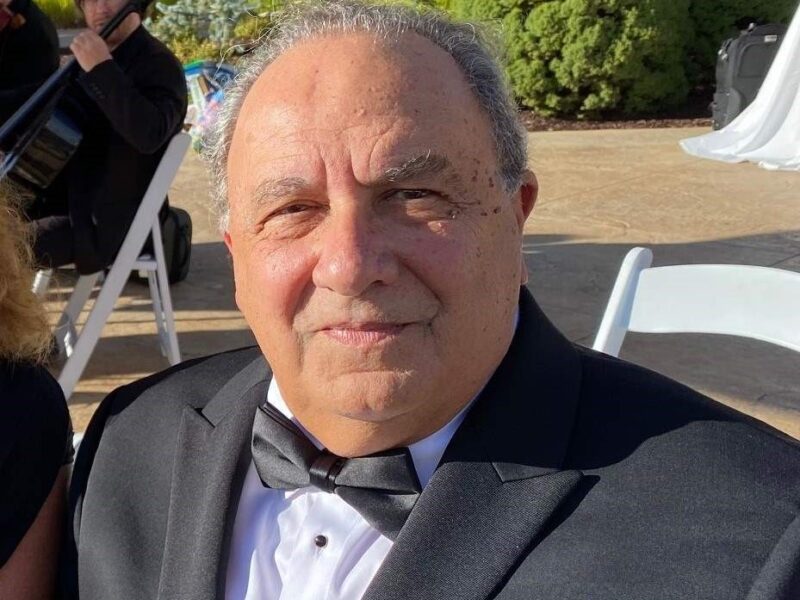
After Joe Castagno served in the Air Force at age 21, his uncle introduced him to the art world and helped develop Joe’s art background.
“He was very influential in my life, but also to a lot of other people,” Joe Castagno said. “He was the type of individual that always had a smile on his face.”
Joe Castagno, who now lives in Florida, worked as a commercial artist and illustrator for several years before he transitioned to a career in computer network equipment. His computer skills came in handy when his uncle needed help on his website, which Joe Castagno eventually took over.
“Even up until his last few days on the face of the earth, he always had recommendations for me,” Joe Castagno said. “You know, ‘When I’m gone, you have to look for this and have to look for that and do this and do that.’”
Joe Castagno, who turns 78 next month, said he felt obliged to maintain his uncle’s site and the collection, keeping the 50-year mission alive.
“I feel that he gave me so much, I have to return some of that,” he said. “I don’t want his work to be forgotten.”
Subscribe to our free newsletters
Our weekly newsletter Closing Arguments offers the latest about ongoing trials, major litigation and rulings in courthouses around the U.S. and the world, while the monthly Under the Lights dishes the legal dirt from Hollywood, sports, Big Tech and the arts.