
 Search Articles


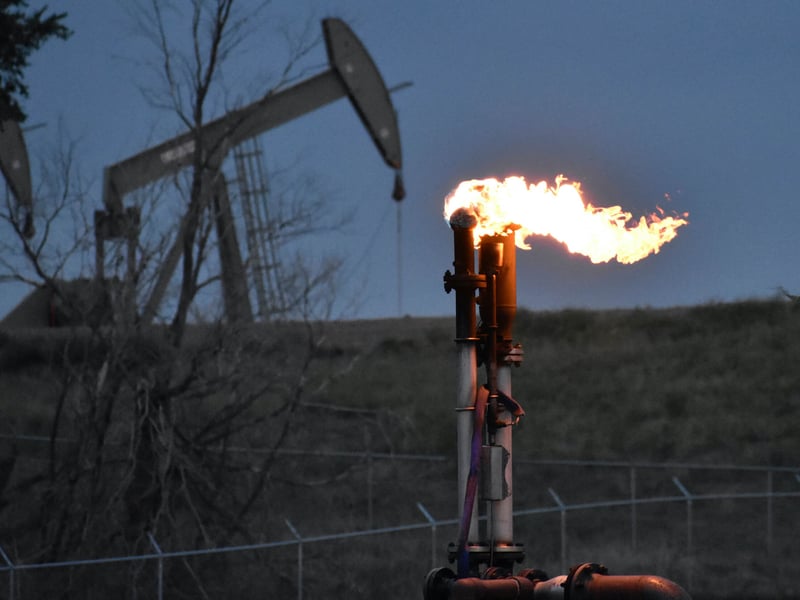
WASHINGTON (CN) — The high court notched a temporary win for the Biden administration Friday, upholding mercury and methane emissions rules for the oil and gas industry.
Coal and natural gas industry groups asked the Supreme Court to block new power plant standards from the Environmental Protection Agency, claiming power plant disruptions from the Mercury and Air Toxics Standards — often abbreviated as MATS — far outweighed the meager public health benefits from cutting emissions.
Conservative states also fought to pause enforcement of the New Source Performance Standards — rules aimed at reducing smog-forming volatile compounds. The two dozen states said it imposed costs on oil and gas companies that would be passed onto consumers.
Despite pending for nearly two months on the court’s emergency docket, the stay applications were rejected without explanation. There were no noted dissents.
The Biden administration finalized updates to MATS in April, limiting filterable air pollutants by 67% and reducing mercury emissions for low-grade coal power plants by 70%.
According to the EPA, about 90% of plants already meet the new limits. U.S. Solicitor General Elizabeth Prelogar said opposition to the rule came from industry outliers that will be forced to make substantial upgrades to achieve compliance.
“Colstrip’s outlier compliance costs result from its own refusal over the last decade to invest in the same modern pollution-control technologies that its peers already use,” Prelogar wrote. “That sort of self-inflicted harm cannot justify a stay.”
Colstrip is the largest coal-fired power plant west of the Mississippi, providing power throughout Montana and the Pacific Northwest. Talen Montana, the plant’s operator and one of dozens of coal companies to petition the court, said Colstrip provides 3,000 jobs and over $1 billion in economic output to Montana.
The new MATS limits would require the plant to install a new baghouse — a filter for air pollution — costing an additional $350 million. Talen said the hefty price tag would force Colstrip to close in the next three years.
NorthWestern said Colstrip’s early retirement would destabilize Montana’s energy grid, driving major rate hikes. The utility warned that it would struggle to fill the gap left behind by Colstrip’s absence.
NACCO Natural Resources Corporation, a mining advocacy group, argued that the court’s precedents demonstrated the consequences of the justices’ inaction on these appeals. In 2015, industry groups won a fight over whether the EPA must weigh the economic costs of its policies against their return for health and environmental benefits. Their victory in Michigan v. EPA was tainted, however, because the ruling came three years after the rule took effect.
“EPA should not once again be permitted to win by losing,” NACCO wrote in its brief before the court.
Taking effect in July, the rule also requires coal and oil-fired power plants to measure and report filterable particulate matter using a continuous emission monitoring system. Power plants have three years to come into compliance with the new standards.
The D.C. Circuit refused to put the rule on hold but agreed to an expedited schedule, with briefing completed by the end of the year.
The New Source Performance Standards challenged by conservative states added new methane and volatile organic compound emissions regulations. The Biden administration reinstated Obama-era standards for new oil and gas producers repealed under Trump but also applied them to existing plants for the first time.
By banning well flaring and adding a zero-emissions standard for natural gas pumps, the EPA said it aimed to reduce methane emissions by almost 80% over the next decade. The Biden administration predicted the regulations would bring in $100 billion in climate and ozone health benefits from 2024 to 2038.
Similar to the industry appeal, the states argued that the daunting regulatory task was unrealistic and warned of the high costs of adopting a rule that could later be overturned.
Both rules will stay on the books while the industry groups and states challenge their legality.
 Follow @KelseyReichmann
 Follow @kelseyreichmann.bsky.social
Subscribe to our free newsletters
Our weekly newsletter Closing Arguments offers the latest about ongoing trials, major litigation and rulings in courthouses around the U.S. and the world, while the monthly Under the Lights dishes the legal dirt from Hollywood, sports, Big Tech and the arts.