
 Search Articles


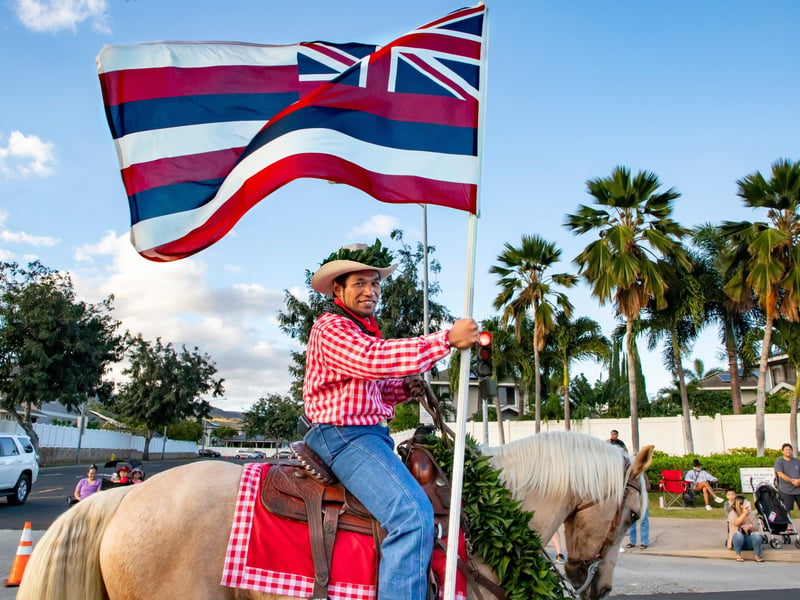
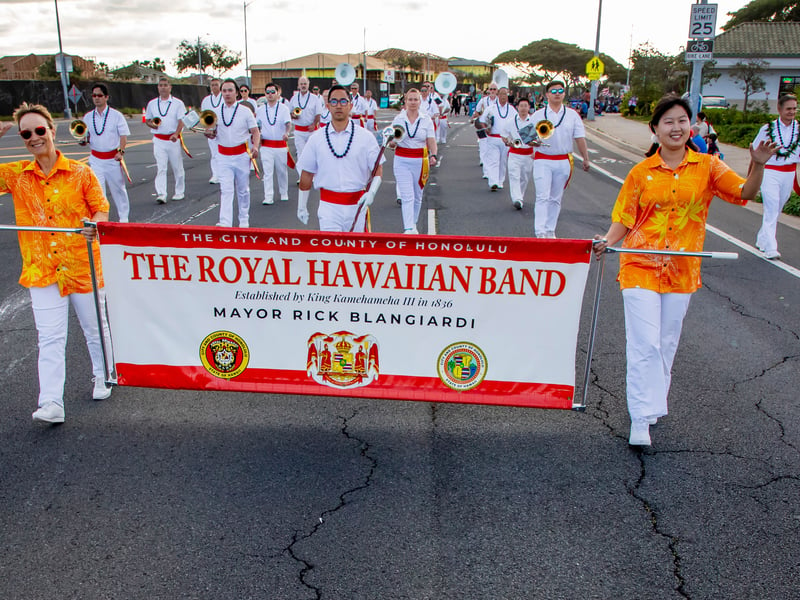
KAPOLEI, Hawaii (CN) — As the sun began to set over Kapolei Parkway, the sounds of the Royal Hawaiian Band heralded the annual Prince Kūhiō Parade, now in its third year in Hawaii’s “Second City” after decades in Waikiki.
For Dre Kalili, president of the Association of Hawaiian Civic Clubs and co-chair of the parade, the relocation to Kapolei represents more than just a change of venue — it’s a return to the very communities that embody Prince Kūhiō ’s enduring legacy.
“Prince Kūhiō was called the prince of the people, and so we wanted to take the parade to the people for that celebration,” Kalili told Courthouse News. “One of Prince Kūhiō’s legacies is the development of the Hawaiian homesteading program. And there’s several homestead communities along the parade route here in Kapolei.”
Prince Jonah Kūhiō Kalanianaʻole, born in 1871 and named a prince by King Kalākaua, served as Hawaii’s delegate to the U.S. Congress from 1903 until his death in 1922. Despite being a nonvoting delegate, he secured significant achievements for Hawaii, including the Hawaiian Homes Commission Act of 1921, which set aside more than 200,000 acres of land for Native Hawaiian homesteads.
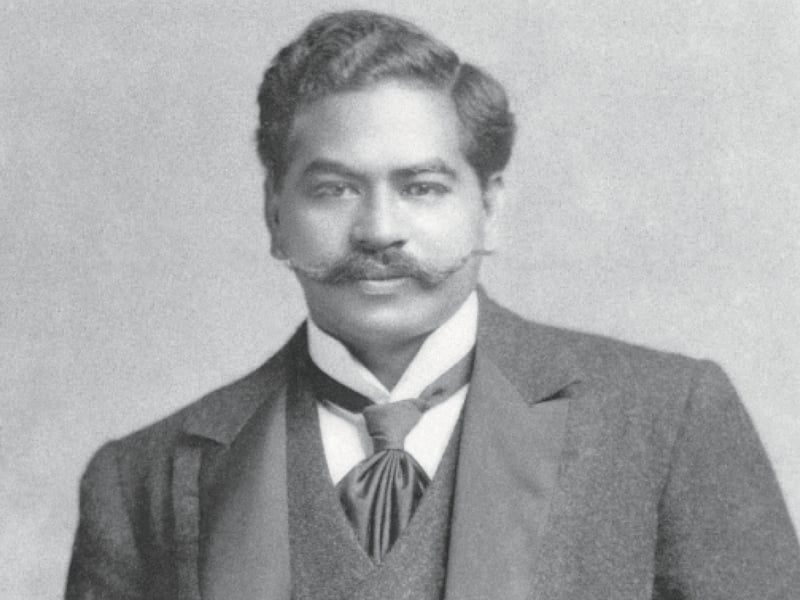
“He was able to do all of this and did not have a single vote,” Kalili noted. “When we think about civil discourse, and how government works, and representative government, we have to really appreciate the work he did, understanding how we see government working today, and how we imagine it happened a century ago.”
While Prince Kūhiō Day is officially celebrated as a state holiday on his birthday, March 26, this year’s parade was held on Saturday so more people could participate.
There were 48 units with approximately 900 participants, including Governor Josh Green and Lieutenant Governor Sylvia Luke. Kalili estimates that over 5,000 spectators lined up along the 2-mile route, which begins at Kapolei Hale and concludes at Ka Makana Aliʻi Center.
Leading the parade as Grand Marshal was Anita Naone, a retired diversity and leadership manager with the U.S. Army Corps of Engineers and former president of the Hawaiian Civic Club of Honolulu.
“(She) worked a lot, quite frankly, on what we call today diversity, equity and inclusion. And we know that’s coming to the spotlight quite a bit recently,” Kalili said. “When we reflect on the work that Kūhiō did, we see diversity and inclusion and the good that comes from that, as well as the good that comes from when the indigenous people of these islands are lifted.”
Beyond the Hawaiian Homes Commission Act, Kalili emphasized Prince Kūhiō’s other accomplishments, including securing what would amount to about $540 million today for Hawaii’s infrastructure during his first six years in Congress.
“He was able to secure appropriations for the construction of breakwaters in some of our commercial ports that are still in place today, at Hilo Harbor, the dredging of Honolulu Harbor, even some improvements to Pearl Harbor,” Kalili said. “He saw the role that the ports would play in our island’s economy.”
In 1918, Kūhiō founded the first Hawaiian Civic Club, a movement that has grown to encompass over 60 clubs across Hawaii and the continental United States with a membership of over 3,500. For many attendees, the parade represents an opportunity to connect with an important piece of Hawaiian history.
“He was part of the Kingdom of Hawaii, and he’s part of my culture of being a Native Hawaiian,” said Justin Cossey, a 35-year-old teacher from Kapolei. “It’s very important to perpetuate the culture and keep it alive.”
Other participants view the celebration as a chance to reflect on Prince Kūhiō’s legacy of advocacy.
“He left a lot for us, and if it wasn’t for him, we wouldn’t have anything, because we get bombarded by (different groups), and they just mine out our land,” said Nani Keliikoa, a 61-year-old Kapolei resident. “Because of him, us Hawaiians gained our land and that’s what we have left, is whatever portion of land that we get awarded from DHHL, from Prince Kūhiō.”
For Tina King, a 58-year-old caregiver from Kapolei, the parade is about preserving family traditions and passing down cultural heritage.
“We’ve got relatives that are actually in the parade, so it’s just history passing down from my parents to me, from me to her,” King told Courthouse News while attending with a young family member. “You know, it’s just something we’ve always done.”
Even newcomers to the island were drawn to the celebration. Sydney Lasley, a 26-year-old military veteran who recently moved to Oahu from Alabama, paused to watch the parade as she passed by.
“I love how they celebrate their culture,” Lasley said. “Everything that they do is beautiful. They’re beautiful people, beautiful culture, and I love it.”
As Kapolei continues to grow as Oahu’s “Second City,” the parade has found what seems to be its natural home among the homestead communities that represent one of Prince Kuhio’s most enduring legacies.
“It’s much better that it’s here for the native people, not the tourists,” said Cossey. “We do have the largest population of homestead here, throughout the state.”
The Prince Kūhiō Parade concluded with a free concert and community celebration at Ka Makana Aliʻi Center.
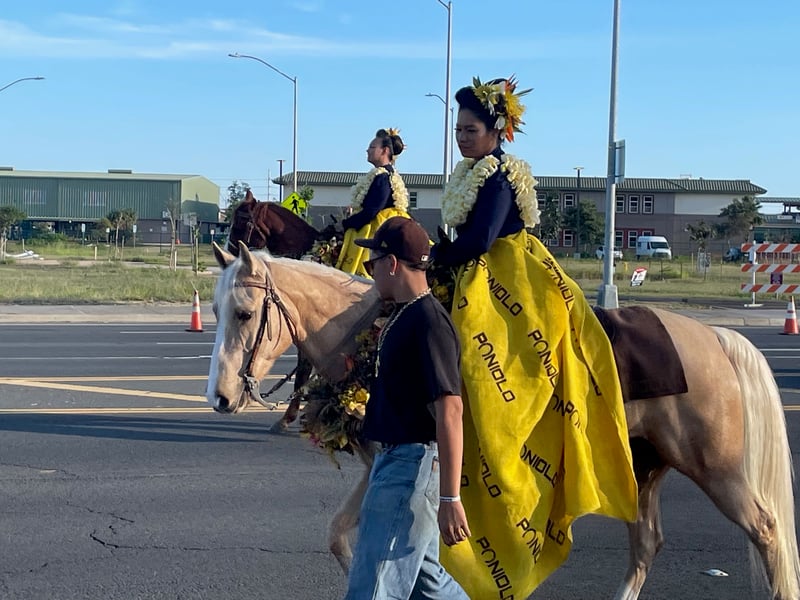
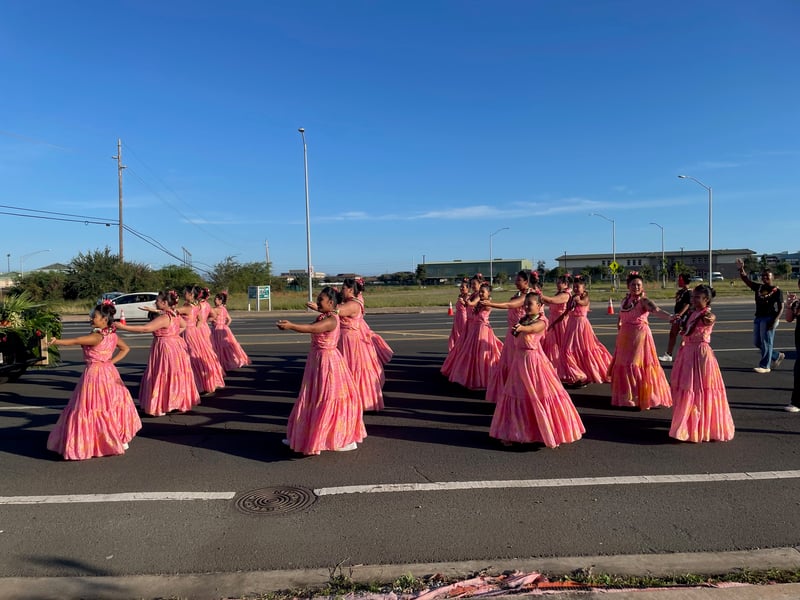
Hawaii residents celebrate and pay tribute to the legacy of Prince Jonah Kūhiō Kalaniana‘ole during the annual Prince Kuhio parade in Kapolei. (Jeremy Yurow/Courthouse News)
 Follow @JeremyYurow
Subscribe to our free newsletters
Our weekly newsletter Closing Arguments offers the latest about ongoing trials, major litigation and rulings in courthouses around the U.S. and the world, while the monthly Under the Lights dishes the legal dirt from Hollywood, sports, Big Tech and the arts.