Search Articles


(CN) — Weight-loss drugs like Ozempic could have mental health benefits beyond weight loss and diabetes treatment, according to new research on mouse gut microbiomes published on Wednesday.
The study, authored by more than a dozen researchers in China, found that some people who use drugs that mimic a naturally occurring hormone in the body, known as glucagon-like peptide-1 agonists, or GLP-1, may see a decrease in symptoms of depression and anxiety.
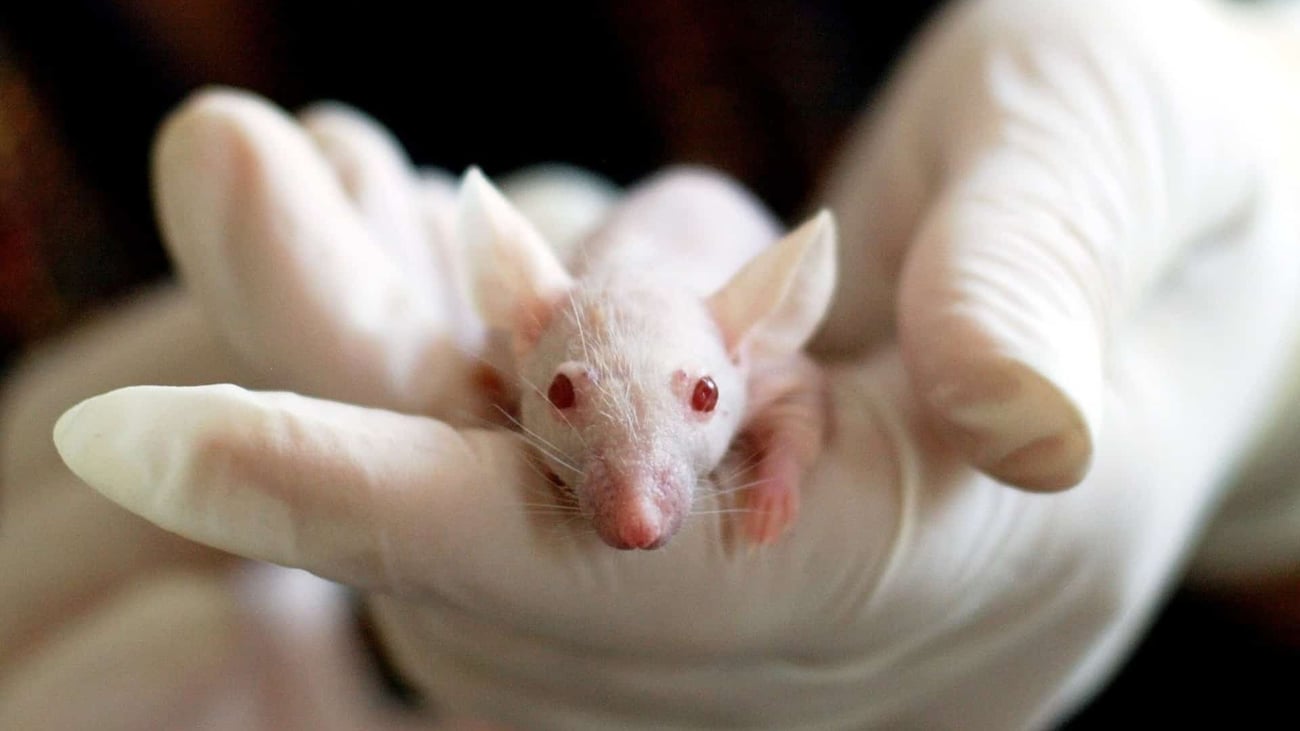
Researchers said the mental health improvements in the mice were the result of changes in their gut microbiome. These changes led to an abundance of a microbe strain known to have a favorable effect on neurons related to stress, they said.
The hormone GLP-1 helps regulate appetite, lower blood sugar and promote weight loss. Ozempic is among the most popular of these drugs, though many others have been approved by the Food and Drug Administration since the early 2000s.
The researchers say their findings reveal a brain-gut micro-organism connection that links GLP-1 drugs to mood regulation.
“This study found that a commonly used diabetes drug, liraglutide, may also help with depression — not by acting directly on the brain, but by changing the bacteria in the gut,” lead author Honghong Yao, of Southeast University, in Jiangsu, China, said in an email to Courthouse News. “One specific good bacterium, named Lactobacillus delbrueckii, increased by the drug helps the body produce a natural ‘feel‑good’ compound that calms stress-related brain circuits. So, the same drug that treats diabetes might one day be used for depression, even in people without diabetes.”
The findings suggest potential treatment for patients with diabetes and obesity who are experiencing depression through probiotic intervention, she said.
“Major depressive disorder (MDD), a debilitating condition affecting over 280 million individuals globally, is characterized by persistent dysregulation of mood and motivational brain regions,” the scientists write in the study. “Despite its high prevalence and profound socioeconomic burden, therapeutic interventions remain suboptimal, underscoring the need to clarify its complex neurobiological underpinnings. Emerging evidence implicates bidirectional gut-brain axis signaling in MDD pathophysiology, with gut microbiota composition and microbial metabolites serving as critical modulators of affective states.”
The researchers used liraglutide, often sold under the brand names Victoza and Saxenda, on mice subjected to simulated stress.
“We observed that when we systemically administered liraglutide to the mice, it accumulated predominantly in the intestine rather than the brain,” study author Bing Han, also of Southeast University, said in a press release.
The researchers found liraglutide continued to produce antidepressant effects in mice even when the animals lacked the receptors the drug typically targets.
Previous studies on the effect of metabolic drugs on neuropsychiatry were contradictory and not well understood, author Yonggui Yuan, another Southeast University researcher, said.
“Some studies reported antidepressant effects of GLP-1 agonists, while others suggested increased risk of depression or anxiety,” Yuan said. “The prevailing model held that these drugs act directly on GLP-1 receptors in the brain, while our study provides evidence for an alternative pathway.”
That alternative pathway is the gut, according to Yao.
“When we eliminated the gut microbiota with antibiotics or used germ-free mice, the antidepressant effect completely disappeared,” Yao wrote. “This indicates that the gut microbiota is necessary and central to this pathway.”
The research team also studied fecal samples from the mice to understand how the drug was working. They found that liraglutide increased levels of Lactobacillus delbrueckii, which is linked to helping a body regulate its response to stress.
“Alternatively, our findings also raise the possibility of developing Lactobacillus delbrueckii itself, or its metabolites, as a more targeted intervention for depression, which would not require the presence of metabolic disease,” Yao wrote.
A 2025 poll by Gallup found that one out of eight Americans, or 12%, had used injectable GLP-1 drugs for weight loss. That number had doubled since a previous 2024 poll on the drug. Among U.S. adults, 15.2% of women and 9.2% of men had used the drug. The same poll showed that obesity rates in the U.S. were on the decline in 2025 after peaking at nearly 40% in 2022.
Subscribe to our free newsletters
Our weekly newsletter Closing Arguments offers the latest about ongoing trials, major litigation and rulings in courthouses around the U.S. and the world, while the monthly Under the Lights dishes the legal dirt from Hollywood, sports, Big Tech and the arts.