Search Articles


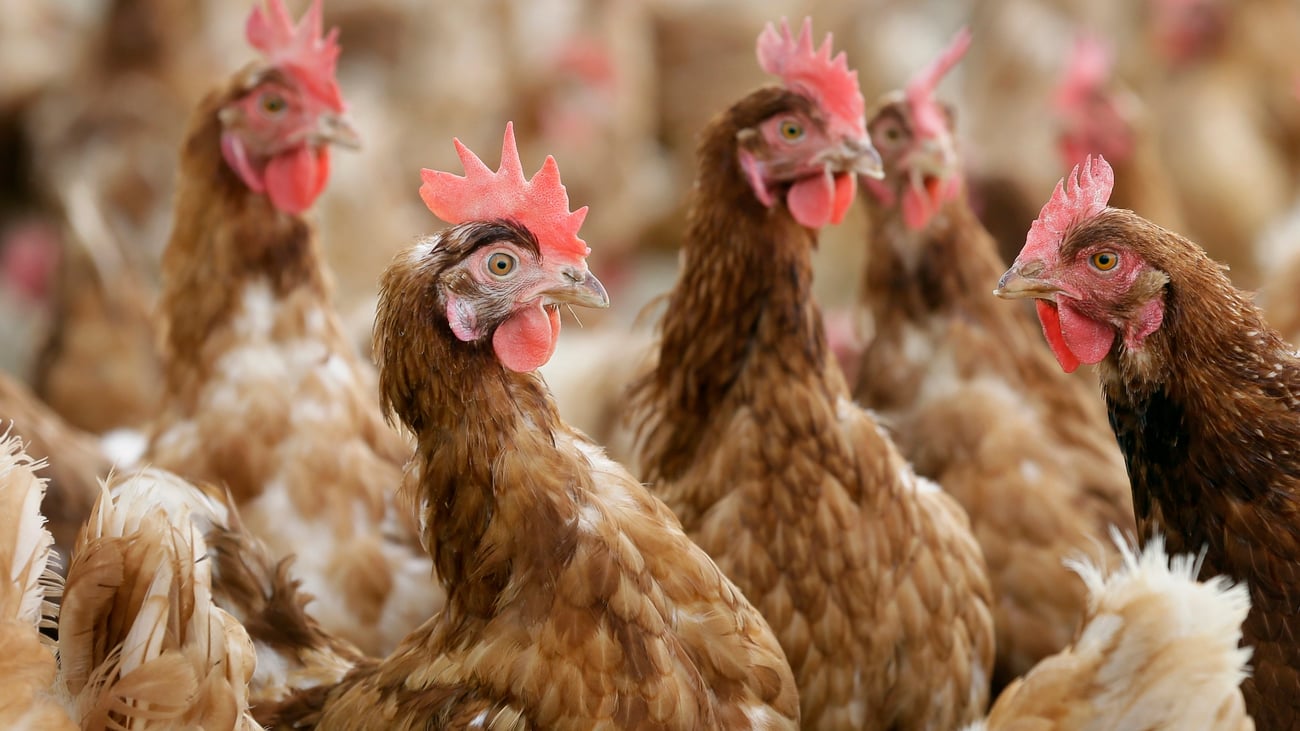
WASHINGTON (CN) — Senate lawmakers have unveiled a bill aimed at making hot rotisserie chicken eligible for federal food aid, a move they say will help Americans feeling cooped up by current restrictions on benefits.
Federal law currently prohibits people on the Supplemental Nutrition Assistance Program, or SNAP, from purchasing hot prepared food using the aid scheme’s monthly allowance. But the bipartisan Hot Rotisserie Chicken Act, introduced Wednesday, would create a new carve-out exempting the cooked poultry from those guidelines.
And senators behind the legislation have said that the effort to give SNAP recipients access to rotisserie chicken — which is typically sold whole at supermarkets — is an efficient and cost-effective way to deliver high-protein meals to American families in need.
“Allowing folks on SNAP to buy hot rotisserie chickens is truly just commonsense,” said West Virginia Senator Jim Justice, one of the measure’s Republican sponsors. “It’s as basic as you can get to help busy parents or grandparents put something as simple as this on the table to feed their families.”
Justice argued that rotisserie chickens were an option for food aid recipience that “actually tastes good and doesn’t take an hour and a half to cook.”
Justice’s fellow Mountain State colleague, West Virginia Senator Shelly Moore Capito, is the measure’s other GOP cosponsor.
Pennsylvania Senator John Fetterman, a Democrat backing the proposed bill alongside Colorado Senator Michael Bennet, expressed his support by pointing to a titan in the prepared foods market — the $4.99 Costco rotisserie chicken, which he called “America’s best … affordability play.”
“It’s one of my family’s favorites and I’m proud to join this bill with Senator Justice for all to try,” said Fetterman. “SNAP funds would be well spent to feed our nation’s families who need it.”
If made law, the Hot Rotisserie Chicken Act would amend the 2008 Food and Nutrition Act to add the cooked bird to the list of approved food items for SNAP benefits. Current statute bars aid recipients from using SNAP dollars on alcohol, tobacco or “hot food products ready for immediate consumption.”
The measure would not increase funding for SNAP benefits or change who is eligible for the program, its sponsors said. And the bill would only apply to “eligible retailers,” keeping existing restrictions that block recipients from using food aid at restaurants.
Still, lawmakers said the Hot Rotisserie Chicken Act was a step toward increasing Americans’ access to critical nutrition.
“Congress should be making it easier, not harder, for families to put food on the table,” said Bennet, who added the proposed legislation eliminates an “unnecessary barrier” to a quick, nutritious meal for people in need.
The move to add rotisserie chicken to SNAP benefits comes as the Trump administration has taken steps to restrict aid recipients from using the program to purchase other food items. The Agriculture Department has in recent months approved requests from more than a dozen states allowing them to exclude certain “non-nutritious items” such as soda and candy from SNAP benefits.
Health and Human Services Secretary Robert F. Kennedy Jr. has railed against federal programs such as SNAP that he claims contribute to chronic illnesses such as obesity and diabetes. Kennedy has particularly targeted soda and other sweetened drinks as a contributor to those conditions.
The Trump administration’s marquee policy package approved by Congress last summer also hikes work requirements for SNAP benefits, limiting recipients up to age 64 to just three months of benefits per three years unless they work 80 hours per month.
 Follow @BenjaminSWeiss
Subscribe to our free newsletters
Our weekly newsletter Closing Arguments offers the latest about ongoing trials, major litigation and rulings in courthouses around the U.S. and the world, while the monthly Under the Lights dishes the legal dirt from Hollywood, sports, Big Tech and the arts.