
 Search Articles


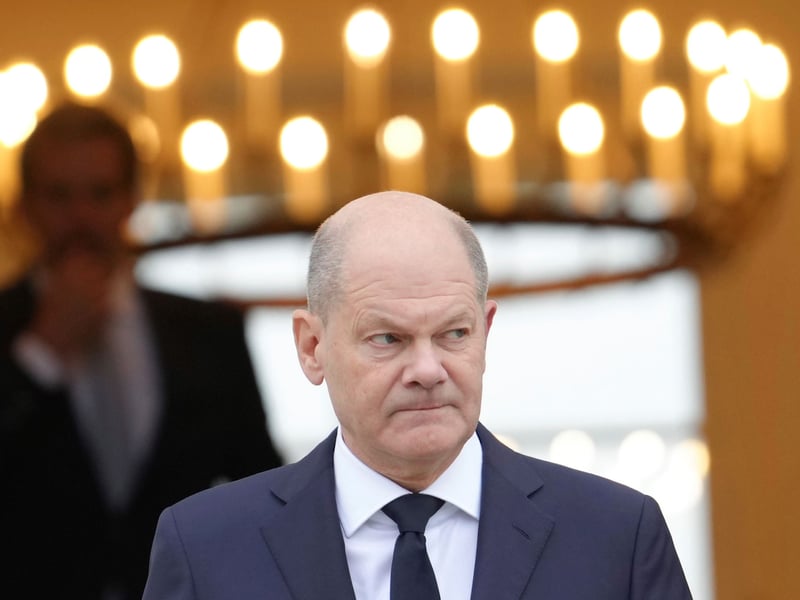
BERLIN (CN) — After high-pitched pushback from across Germany’s political spectrum, Chancellor Olaf Scholz set a parliamentary confidence vote for Dec. 16, a month earlier than initially planned and far ahead of the September 2025 schedule. The vote could trigger snap elections as early as Feb. 23, 2025.
Germany has been reckoning with atypical instability in the wake of its ruling coalition’s recent dramatic implosion. The decision aims to bring some relief from all the unpredictability.
German President Frank-Walter Steinmeier has the final say on the election’s date, but Scholz’s Social Democrats have reached an agreement with Friedrich Merz’s Christian Democratic Union, Germany’s largest opposition party, on speeding up the election process.
“This is the end of the ruling coalition, and therefore the end of this legislative period. There’s no reason to wait until January of next year for a confidence vote,” said Merz following Germany’s three-way “traffic light” coalition’s collapse.
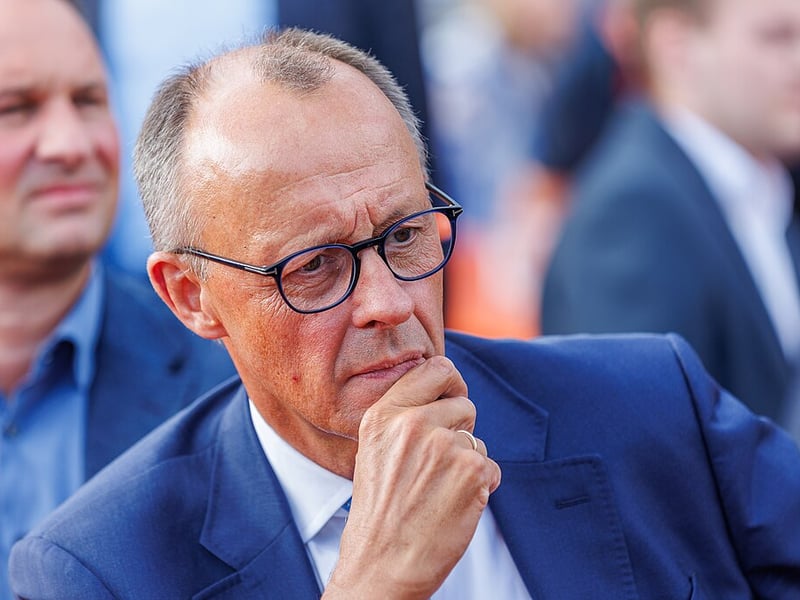
Unsurprisingly, opposition parties ranging from Merz’s high-flying center-right Christian Democrats, the newly formed populist Sahra Wagenknect Alliance, to the far-right Alternative for Germany were all keen to get ballots out as quickly as possible. Meanwhile, many election officials, including Federal Returning Officer Ruth Brand, had voiced concerns about the logistical challenges of voting on too short of notice.
“Since the proper preparation and conduct of the election is essential for citizens’ trust in democracy, it’s necessary to be able to make full use of the 60-day period from the dissolution of the German Bundestag in order to be able to take all necessary measures in a legally secure and timely manner,” Brand warned Schulz in a memo amidst the debate about shifting the election’s date.
Despite the challenges, Brand has declared the newly set February date “workable.” Given the host of irregularities in the last Bundestag election that led to a number of voters in Berlin districts having to recast their ballots, election officials will be under significant pressure to ensure this one goes smoothly.
Both the rival Social Democrats and Christian Democrats are trying to sell the new date as a political win, even if in the end the agreement says more about potential compromise between the two major parties than anything else. Scholz, whose party is currently polling at around 15% — a double digit drop from their 2021 federal election results, clearly needs to make a case for himself following a disastrous end to a frustrating period as chancellor.
Merz, the head of the conservative Christian Democratic Union party of ex-leader Angela Merkel, is the frontrunner in polls for new chancellor.
Vice Chancellor Robert Habeck of the Greens declared officially that he will also seek the top job.
Scholz also hopes to run again, but a Forsa poll said he has only 13% support against 57% for his long popular defense minister, Boris Pistorius.
With the coalition finally collapsing due to unending budgetary squabbles between Scholz, fellow left-leaning Greens, and the tight-with-the-purse-strings Free Democrats, Germany’s stagnating economy — and debates over how state action can kickstart it — are likely to dominate the election. The Free Democrats are fighting just to hit the 5% threshold required to return to Parliament, while the Greens and Social Democrats have to lots of disappointed voters to reassure.
Given the growing popularity of the far right, its likely that another relatively unwieldy coalition will be needed to form a government without them. Predicting who will join the Christian Democrats — or, less likely, overtake them — in government is no easy task, but it is at least now clear how long parties have to make their case to the German public.
 Follow @braneck
Subscribe to our free newsletters
Our weekly newsletter Closing Arguments offers the latest about ongoing trials, major litigation and rulings in courthouses around the U.S. and the world, while the monthly Under the Lights dishes the legal dirt from Hollywood, sports, Big Tech and the arts.