
 Search Articles


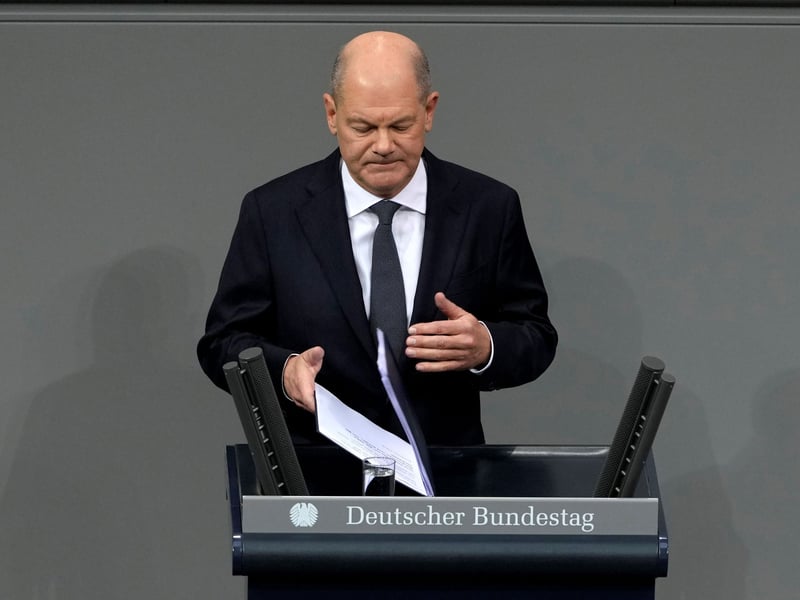
BERLIN (CN) — For just the sixth time in its postwar history, the German Bundestag has voted on its confidence in its chancellor and elected to dissolve Parliament for the third time.
The motion was largely a formality given that the Social Democrats and Greens have been running a minority government since Chancellor Olaf Scholz’s coalition collapsed in November, with only 207 of the necessary 367 Bundestag members voting to support the sitting leader.
A combative Scholz declared the decision a vital step toward allowing Germany to determine its future amid multiple crises.
“Today I am extending the vote of confidence to our voters,” he said in a speech prior to the Bundestag’s confidence motion. “Do we dare to invest in our future? Do we believe in ourselves and our country?” Scholz asked.
In another formality, President Frank Walter Steinmeier will have to approve the dissolution of Parliament before snap elections can officially be called. Scholz and the heads of Germany’s major parties have already agreed to Feb. 23 as the date for upcoming snap elections.
As Germany grapples with a slumping economy, surging far-right, crumbling infrastructure, and the prospect of determining European policy with Donald Trump back in office, the country’s politicians are in rare agreement about the need for a quick political solution.
Though atypical in Germany’s usually staid, steady political landscape, Scholz’s government felt like it was on the verge of collapsing shortly after its formation. Months of bickering within the awkward three-way ’traffic light’ coalition, named after the colors of its member Social Democratic, Green and liberal parties, came to a head when Scholz dismissed finance minister and head of the liberal Free Democratic Party, Christian Lindner.
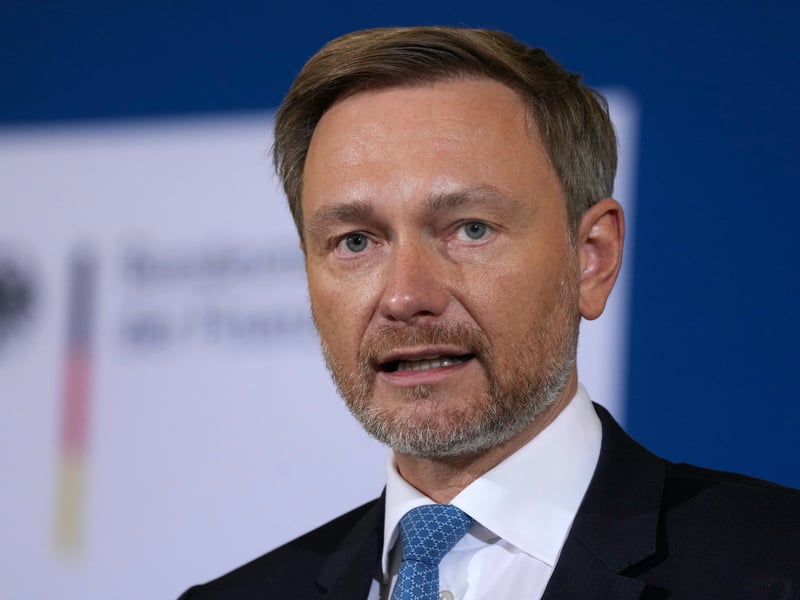
Lindner’s focus on reducing spending and a balanced budget frequently served a frustrating stumbling block to his center-left coalition partners’ social and environmental ambitions. Scholz eventually fired Lindner in November after weeks of prolonged crisis meetings over budgetary expenditures boiled over into intractable fighting.
Reports later surfaced that liberals had intentionally tanked budget discussions to force Scholz into firing Lindner and imploding the coalition to make way for snap elections in a plan the party internally called “D-Day.”
Though implicated in the reports, Lindner has denied being aware of the plans and party secretary Bijan Djir-Sarai stepped down amid the controversy. Scholz criticized Lindner’s lack of “ethical maturity” and claimed his party’s “weekslong sabotage” of the coalition “damaging to democracy” in his speech to the Bundestag prior to the confidence vote.
Given the failure of their coalition, all three participating parties are eager for a new start and have a lot of work to do to win back voters in the coming months. The debate prior to the vote was a raucous opportunity for all of Germany’s major parties to test run their stump speeches.
The flailing economy loomed large. Scholz, who is polling at about 15%, centered his speech around a glaring need for investment.
“Do we want to risk our quality of live by procrastinating on long-needed investments? Do we want to have to choose between necessary support for Ukraine and investment in the military and quality health care, retirement and capable local governments?” he asked.
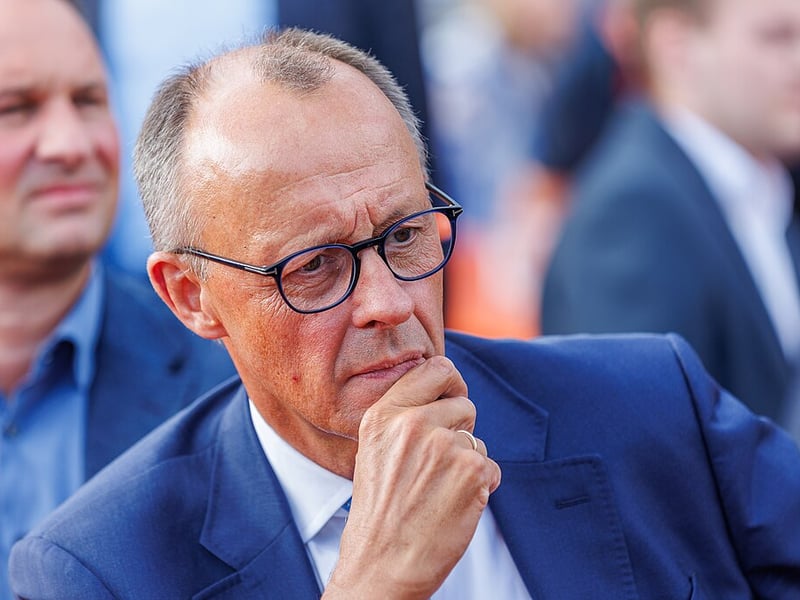
Chairman of opposition Christian Democrats Friedrich Merz called it a “day of relief” and attacked the outgoing coalition’s economic record. “Germany’s experiencing one of the biggest economic crises in its postwar history,” he said, criticizing Scholz for “not once mentioning the competitiveness of the German economy.”
With nearly double as much support in the polls as Scholz, Merz is likely to be the country’s next chancellor — but despite a spirited speech lambasting social democratic and green policies, he’ll likely need to partner with at least one of them to form a government.
Germany’s political landscape is highly fractured. The far-right Alternative for Germany is currently the second most popular party in the country — yet every other party has ruled out working with them at the federal level.
Smaller parties like the liberal Free Democrats, the Left Party, and the newly-formed populist Sahra Wagenknecht Alliance are all battling valiantly to clear the 5% vote hurdle in order to enter Parliament — which means the Bundestag could just as realistically have four parties as seven after the election.
This all lends a seldom-seen unpredictability to German politics, even if the election has a clear front runner. Whichever parties make it into Parliament, let alone the government, cleaning up the country’s political and economic mess is likely to be a tough, thankless task.
 Follow @braneck
Subscribe to our free newsletters
Our weekly newsletter Closing Arguments offers the latest about ongoing trials, major litigation and rulings in courthouses around the U.S. and the world, while the monthly Under the Lights dishes the legal dirt from Hollywood, sports, Big Tech and the arts.