
 Search Articles


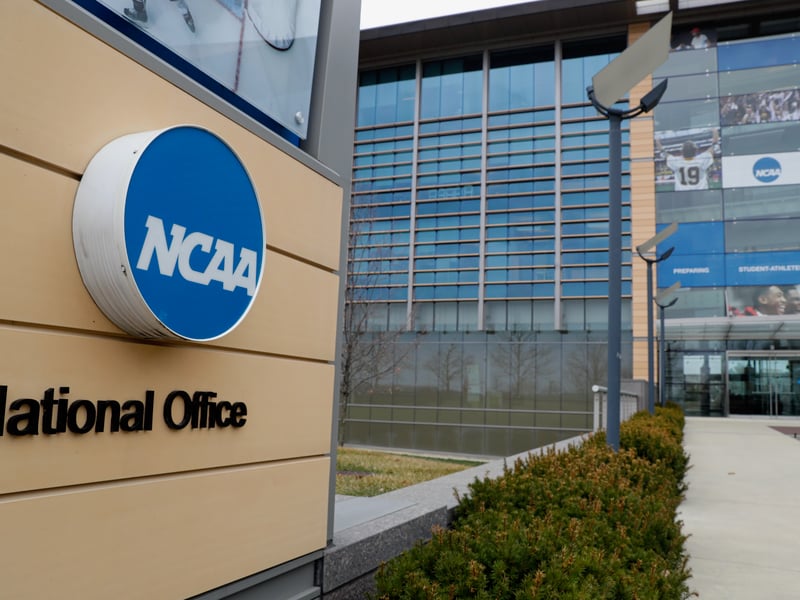
(CN) — A college basketball player is accusing the NCAA of antitrust violations for denying her request to compete for a fifth season after mental health issues derailed her athletic career.
Ally Stedman says in a federal complaint filed Tuesday in Florida that she deserves to play for an extra year after the University of Miami’s former coach, Katie Meier, ignored a doctor’s recommendation and refused to give her a redshirt during the 2023-24 season. Stedman was compelled to play under “extremely coercive and medically unsafe conditions,” she asserts, causing her to lose a season of eligible competition.
The guard hoped to play this season for the Utah Valley Wolverines, but the NCAA claims her decision to play nearly a full season at Miami was voluntary and denied her a mental health waiver.
“In doing so, the NCAA disregarded its own bylaws, which expressly recognize incapacitating physical or mental circumstances as valid grounds for a waiver, and instead deferred to the nonmedical judgment of Meier whose decision had caused the harm in the first place,” the complaint states.
The NCAA and University of Miami did not respond to requests for comment.
Stedman was a standout player at Pepperdine University, averaging 15 points in 18 starts during her second season before a knee injury sidelined her. She transferred to Miami the next year but struggled to find success in limited playing time.
Stedman says in the complaint that a lack of institutional support at the university caused her performance to suffer. During a preseason tour, an assistant coach bet other players that Stedman would fail an upcoming fitness test, which she found “deeply humiliating,” she states. In another instance, she says she witnessed members of the coaching staff attempt to fist fight players after practice.
Meier also refused to give the guard playing time, despite promises made during recruitment.
“As a result, plaintiff’s mental and emotional health continued to deteriorate sharply,” the complaint states. “What began as minor anxiety quickly escalated into severe anxiety, dissociation, insomnia and a profound loss of motivation and confidence.”
A university doctor diagnosed Stedman with major depressive disorder and adjustment disorder with anxiety and depression. In November 2023, he recommended she acquire a medical redshirt and sit out the rest of the season, but Meier denied the request.
“In direct conflict of Dr. Goldstein’s medical advice, Meier demanded that plaintiff continue on with the team, further adding injury to plaintiff’s fragile mental state and continuing to aggravate her lingering physical injuries,” the complaint states.
Stedman played 26 games for Miami before transferring to the University of Central Florida, where she averaged only 3 points in 18 starts. Meier retired from the University of Miami last year after 16 seasons as head coach.
Stedman argues the NCAA’s eligibility rules have assumed a commercial function in the post-amateurism era where college athletes can earn millions of dollars off their name, image and likeness. By limiting players like Stedman to only four seasons of collegiate play, the organization unreasonably restrains their NIL earnings in violation of federal and state antitrust laws.
“By capping competition at four seasons within a five-year period and conditioning hardship waivers on institutional approval, the NCAA eliminates the ability of otherwise qualified athletes to contribute to and benefit from an additional year of competition,” the complaint states.
Stedman asks the court to declare the NCAA’s eligibility and waiver rules are unlawful and she is eligible to compete for a fifth season.
She’s not the first college athlete to wage a legal war over her eligibility, and she likely won’t be the last. In September, 10 current and former college athletes filed a class action against the NCAA over its redshirt rules limiting their eligibility.
 Follow @SteveGarrisonPC
Subscribe to our free newsletters
Our weekly newsletter Closing Arguments offers the latest about ongoing trials, major litigation and rulings in courthouses around the U.S. and the world, while the monthly Under the Lights dishes the legal dirt from Hollywood, sports, Big Tech and the arts.