
 Search Articles


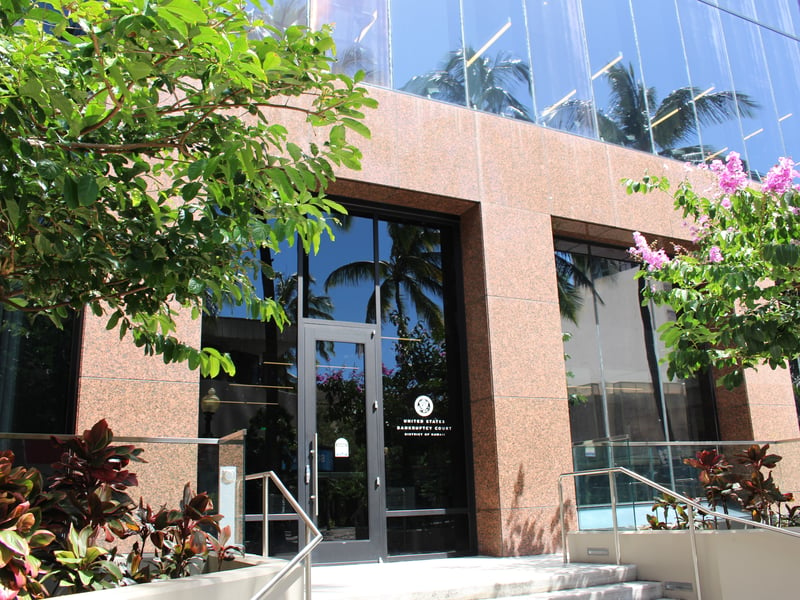
(CN) — After several straight years of decline, bankruptcy filings across the United States increased more than 16% last year, according to data published Thursday by the Administrative Office of the U.S. Courts.
Annual bankruptcies filed between September 2023 and September 2024 totaled 504,112. The prior year saw 433,658 filings, an 11.5% increase from 2022.
Business bankruptcy filings increased 33.5% last year, while nonbusiness filings rose 15.5%. Nonbusiness filings still far outpace business cases, with 481,350 individuals filing for bankruptcy last year compared to 22,762 businesses.
It’s a stark shift from peak pandemic, when relief programs and low inflation led to a decrease in bankruptcies during and after Covid-19 shutdowns.
Now, with those relief efforts in the rearview, bankruptcy rates are increasing in lockstep with inflation.
Michael Hunter, vice president of bankruptcy technology company Epiq AACER, attributed the growth to rising costs eating away at American pocketbooks, from higher insurance costs and rising interest rates to swollen mortgage payments.
“We continue to observe a rise in overall filings, with notable increases in individual filings, reflecting the financial pressures faced by households,” Hunter said in a news release.
Research published by financial consulting firm Cornerstone identified four factors driving larger companies to declare bankruptcy. Those are rising costs, lingering pandemic impacts, increased competition and unsuccessful business strategies.
WeWork — the coworking company behind the largest bankruptcy filing last year — held $15.06 billion in assets when it filed in November 2023. The company cited all four factors in its demise.
Cornerstone also found noteworthy increases in bankruptcy filings across the retail, services and manufacturing sectors. But there were drastic decreases in the mining and oil and gas industries: After accounting for the largest share of bankruptcy filings in 2020, such companies were just 2% of those this year.
The rise in corporate filings “reflects the challenging economic environment many major companies have been navigating amid high inflation and interest rates," Matt Osborn, Cornerstone principal and coauthor of the report, said in a statement.
Bankruptcy filings reached an all-time high in the wake of the 2008 financial crisis, peaking at 1.6 million in September 2010. They hit historic lows in June 2022, with just 380,634 new cases.
Bankruptcy isn’t all bad. The process, built into the financial system, allows businesses and individuals to reset and better position themselves for the current state of the economy.
It can help individuals discharge debt (particularly after unexpected financial shocks like medical expenses) or guide businesses through asset liquidation. Amy Quackenboss, executive director at the American Bankruptcy Institute, credits bankruptcy for driving financial recovery.
“Access to bankruptcy is key to consumers and companies looking to alleviate their intensifying debt loads and have a chance for a financial fresh start,” Quackenboss said in a statement.
Despite the recent rise, bankruptcies still remain lower today than before the pandemic. Chapter 7 continued to make up the bulk of cases, with 298,644 filings in 2024. That’s along with 195,971 Chapter 13, 9,012 Chapter 11 and 202 Chapter 12 filings.
Chapter 12 filings increased 30% between 2023 and 2024, while Chapter 7 rose 17% — but both remain below half the rates seen in 2020. Chapter 11 and 13 filings have finally outpaced their 2020 rates, but by a little less than 1,000 cases.
Thursday’s reported increases were hardly a surprise, as consumers and companies alike are paying more to survive day-to-day expenses and unexpected financial shocks.
 Follow @bright_lamp
Subscribe to our free newsletters
Our weekly newsletter Closing Arguments offers the latest about ongoing trials, major litigation and rulings in courthouses around the U.S. and the world, while the monthly Under the Lights dishes the legal dirt from Hollywood, sports, Big Tech and the arts.