
 Search Articles


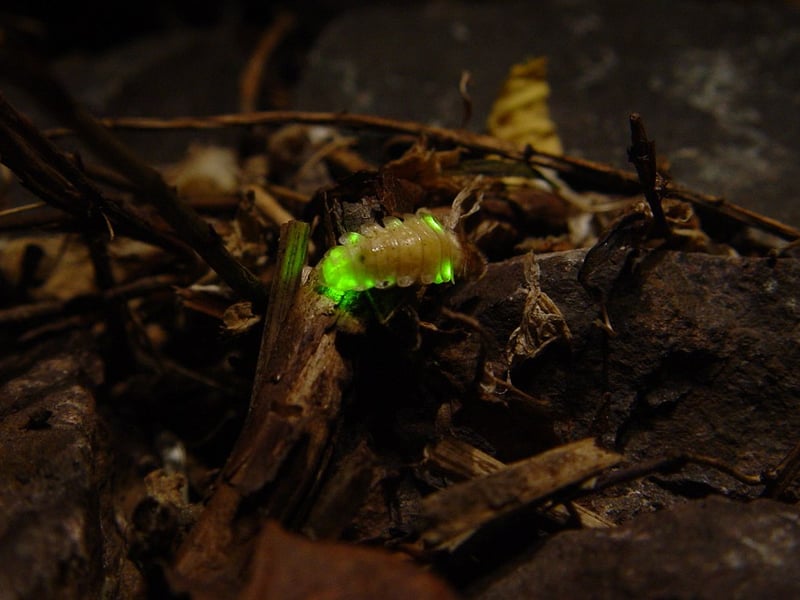
(CN) — Moving to protect the distinctive lightning bugs that call the Delaware coast home, the U.S. Fish and Wildlife Service proposed earmarking the Bethany Beach firefly as a threatened species under the Endangered Species Act Monday.
Known for their signature double-green flash, the lightning bugs’ numbers have diminished greatly in recent years due to threats to their habitat — which consists of depressions in between sand dunes called freshwater swales along the coasts of Delaware, Maryland and Virginia. The small beetles, which measure less than half an inch long, are the only firefly species out of the numbered 170 known to live in freshwater swales.
They are also the first firefly species proposed for Endangered Species Act protections.
Jess Tyler, co-author of a 2019 petition for protections and Center for Biological Diversity staff scientist, applauded the firefly’s nomination Monday.
“Protecting Bethany Beach fireflies under the Endangered Species Act would be a tremendous step toward ensuring these little creatures don’t blink out,” said Tyler in a statement.
The Fish and Wildlife Service noted in a press release alongside its proposal Monday that the research had found that rising sea levels and more frequent and severe storms could destroy the species’ habitat, which houses the beetle through all its life stages.
“According to climate models, somewhere between 76% and 95% of swales could be lost to high-tide flooding by 2100,” the Service said. “Development, light pollution, recreation, grazing by ponies, the use of pesticides, and invasive plant species are other stressors to the firefly and its habitat.”
The proposal came about from an agreement off the back of a 2019 petition filed by the Center for Biological Diversity and the Xerces Society for Invertebrate Conservation who pressed the federal government for protections.
Following the petition, the Delaware Department of Natural Resources and Environmental Control researched the species by conducting annual surveys in three Delaware state parks: Delaware Seashore State Park, Assateague Island National Seashore and Chincoteague National Wildlife Refuge.
While the service declined Monday to designate critical habitat for the firefly, it could do so in the future. The building of expensive beach homes and other coastal development along Delaware’s southern coast have also caused the species’ numbers to shrink in recent years.
Tyler lamented Monday that because of such development protections for some of the nocturnal beetles will come too late. The environmental groups had claimed in 2019 that a then-ongoing development project called Tower Shores just north of Bethany Beach would cripple the beetle’s numbers. The project is now fully complete.
“While the Fish and Wildlife Service was sitting on the listing petition, one of the firefly’s best remaining habitats was destroyed,” Tyler said. “There’s still time to save these fireflies by protecting all the other places they live and confronting threats like light pollution and wetland loss.”
An attorney for the project’s developer Breakcap in 2019 had told the Associated Press that it had “no reason to believe that any fireflies live in or along the interdunal swale” at the development’s location.
The beetle has been called an indicator species for wetland health and is one of the first species of firefly that scientists have been able to determine is declining.
Alongside the proposal, the service is asking for anyone who thinks they have seen a Bethany Beach firefly to contact the department with information, so researchers can better understand the species’ range and habitat. The comment period on the proposed threatened listing will be open until December 2, 2024.
Subscribe to our free newsletters
Our weekly newsletter Closing Arguments offers the latest about ongoing trials, major litigation and rulings in courthouses around the U.S. and the world, while the monthly Under the Lights dishes the legal dirt from Hollywood, sports, Big Tech and the arts.